The continuous heavy downpour over the past few days has tested the resilience of infrastructure across the Klang Valley, as several areas experienced unexpected flash floods.
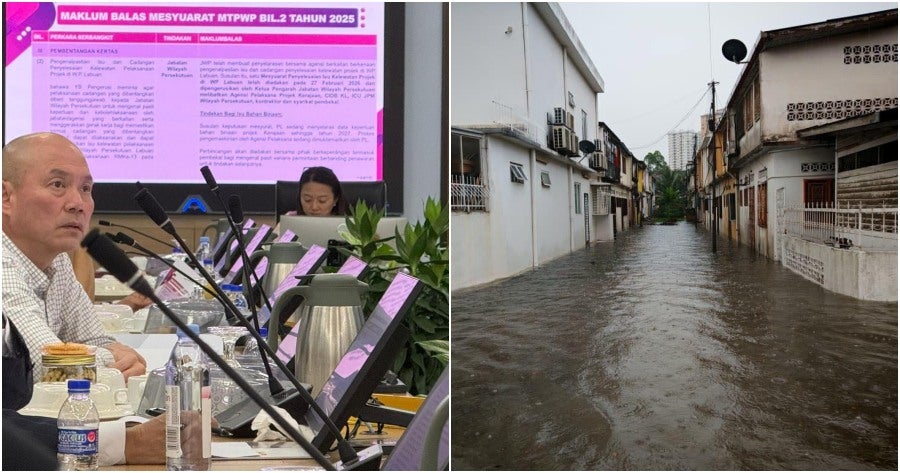
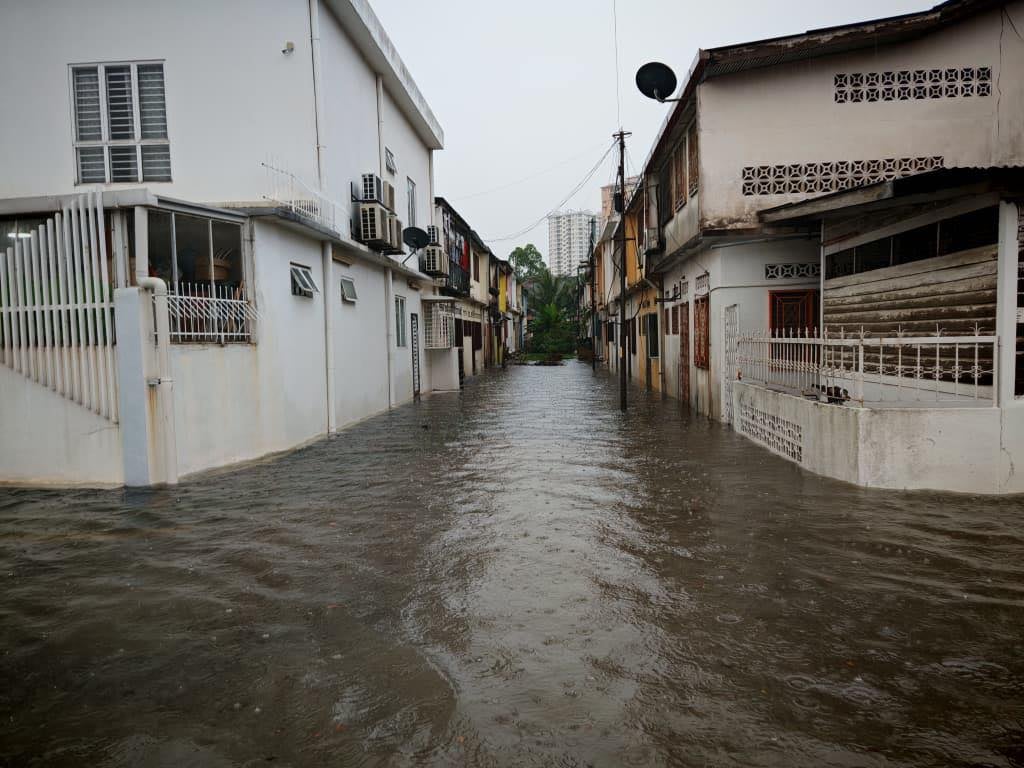
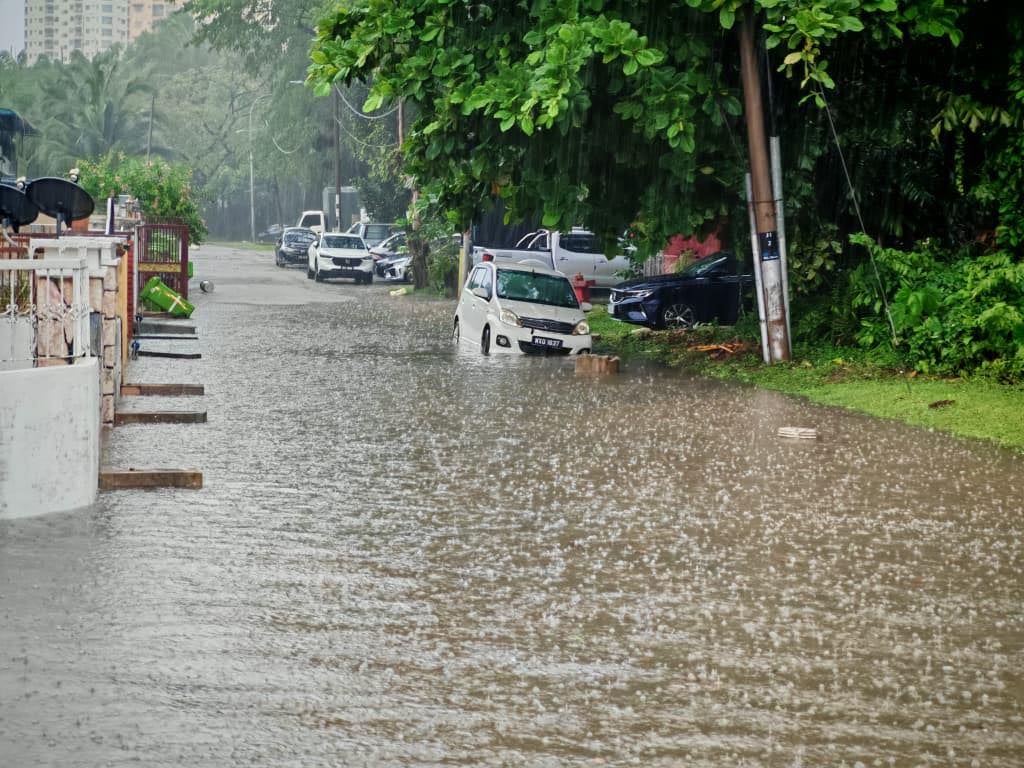
Among the hardest hit was Taman Kepong, which, for the first time in its history, faced such an incident. In a Facebook post by Kepong Member of Parliament (MP) Lim Lip Eng, it was noted that the situation has sparked serious concern among residents who had never previously prepared for flood risks.
Lim raised the issue with the relevant authorities
Water levels rose rapidly due to relentless rainfall, submerging roads, entering homes, and disrupting daily life. Many residents were forced to act quickly to save essential belongings, while others had to temporarily relocate to safer areas.
This incident highlights how extreme weather is now having a tangible impact on urban neighbourhoods once considered safe from such disasters.
Lim mentioned that the issue was raised during the Federal Territories Development Action Council meeting, chaired by Minister in the Prime Minister’s Department (Federal Territories) Hannah Yeoh, underscoring the seriousness of the situation at the administrative level.
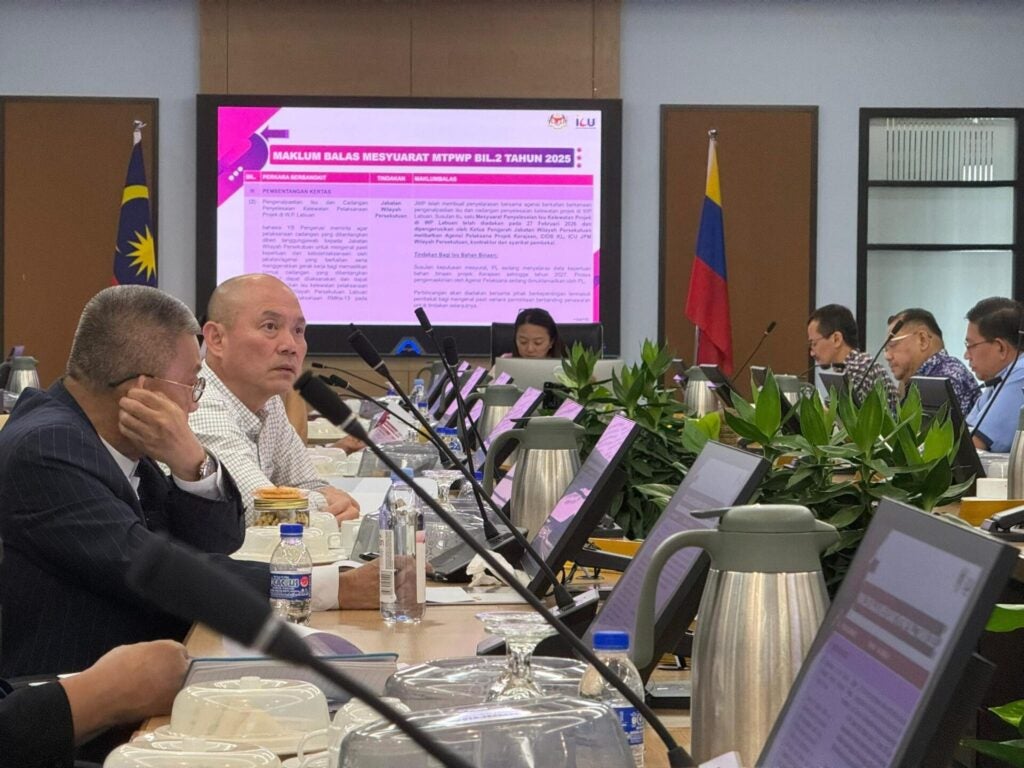
Discussions focused on the urgent need to identify the root causes of the flooding, specifically whether it resulted from:
- Inadequate drainage systems
- Uncontrolled development
- Weaknesses in urban planning
Demands for long-term solutions
Residents are now demanding swift and transparent action from the authorities. They are seeking answers and, more importantly, long-term solutions to prevent a recurrence.
In an era of climate change, such events may no longer be unusual, but a failure to prepare is deemed unacceptable.
Beyond Taman Kepong, multiple areas in Kuala Lumpur and Shah Alam were also severely affected by flash floods following the heavy downpours.
The events in Taman Kepong serve as a clear warning that urban preparedness must be strengthened and every infrastructural weakness addressed without delay.