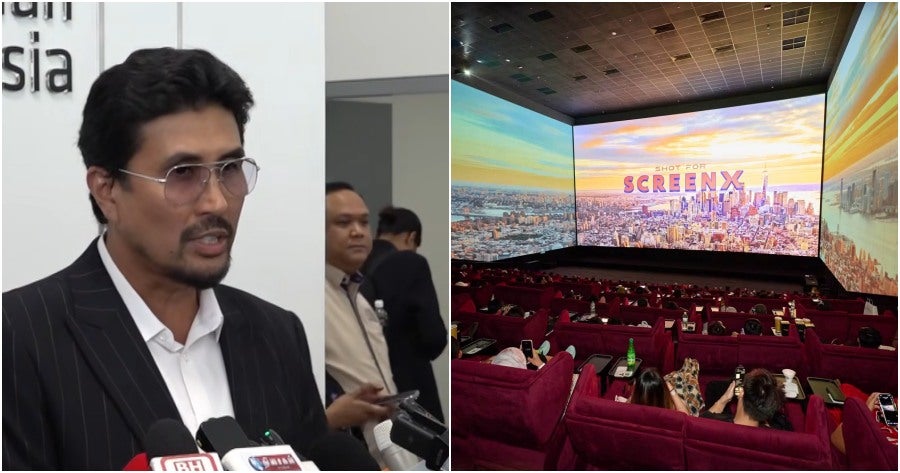
The National Film Development Corporation Malaysia (FINAS) has welcomed Prime Minister Datuk Seri Anwar Ibrahim’s call for greater freedom and space for local artists and filmmakers to express themselves through their work.
FINAS Chief Executive Officer Datuk Azmir Saifuddin Mutalib said the approach was in line with ongoing efforts by FINAS and the Film Censorship Board (LPF) to create a more open and progressive environment for Malaysia’s film industry.

Scenes are no longer cut, but children are restricted from watching
He said the LPF’s approach to film censorship has become more lenient over the past two to three years, reflecting a shift toward giving filmmakers greater creative freedom.
“I think this is indeed the approach taken by FINAS and LPF, as we have always worked closely with the board.
“If we look at the past two to three years, LPF has become more open and has placed greater emphasis on a more progressive approach to censorship,” he said at the opening of Menara FINAS Damansara.
He also highlighted changes to the LPF’s classification system, which allow films to be screened without necessarily requiring certain scenes to be removed. Instead, age restrictions can be imposed to ensure the appropriate audience views the content.
“For the 18 and 16 classifications, they no longer cut scenes, but instead allow the films to be screened while stipulating that children cannot attend. That is a progressive step that we truly desire, so that LPF moves in such a direction.
“That is also a progressive step, and one that we want to see LPF continue moving towards.”
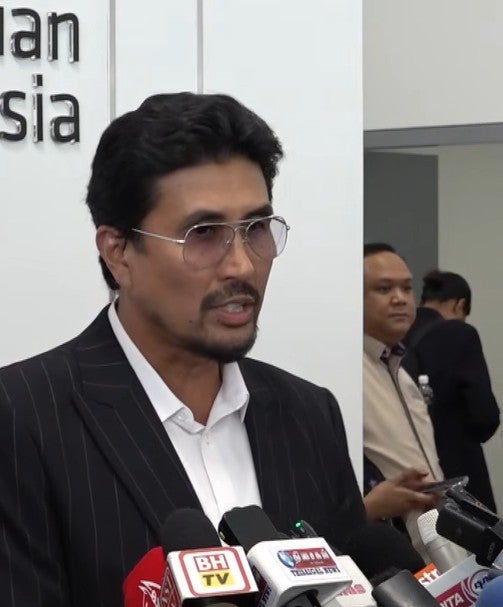
Datuk azmir saifuddin mutalib
However, Azmir stressed that greater creative freedom should not come at the expense of Malaysia’s cultural values and national identity. Rather, he said, these elements should remain at the heart of local filmmaking, particularly as Malaysian content increasingly looks towards international audiences.
“As mentioned by the Prime Minister, I believe the focus is on the cultural aspects and identity of a film, so that we can develop content that can be exported and appreciated around the world,” he said.
What do you think of Azmir’s take on this?