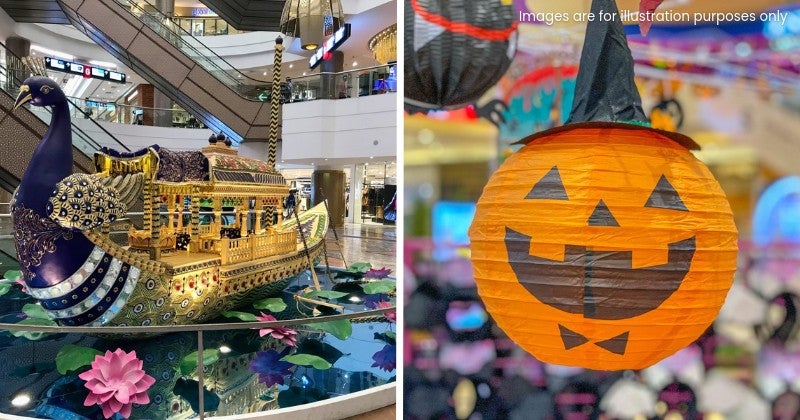
With Halloween approaching on 31 October and Deepavali following on 8 November, festive decorations are beginning to appear across Malaysia.
But amid the colourful displays, a familiar conversation has resurfaced online. Why are Malaysians still discussing whether Deepavali is getting the recognition it deserves, years after the issue was first raised?
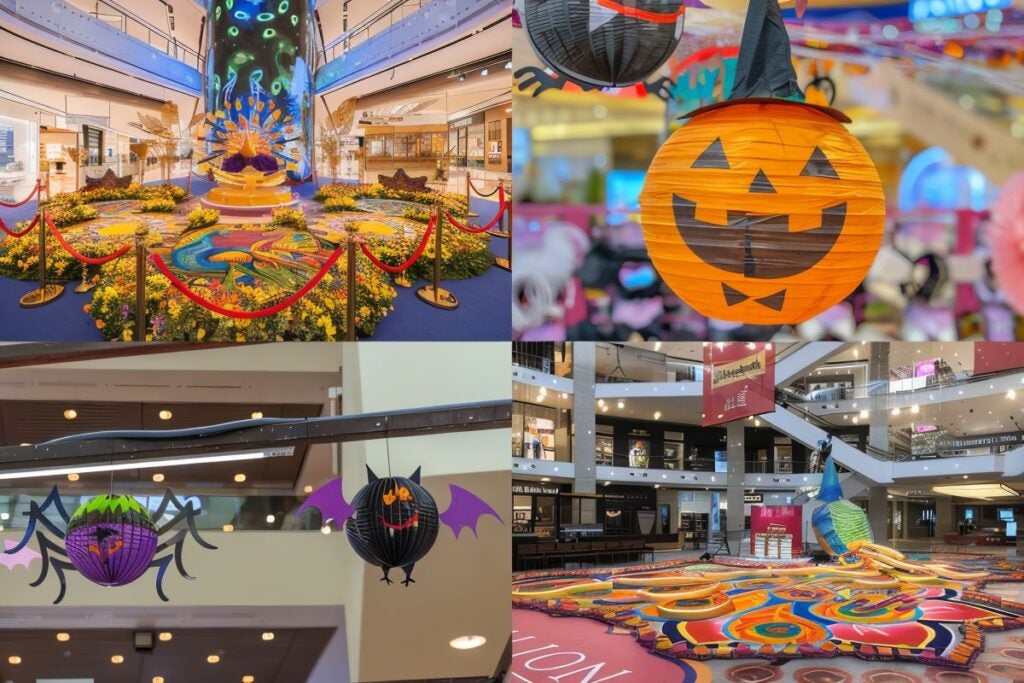 For illustration purposes
This isn’t the first time M’sians have raised the issue
It’s a topic that WORLD OF BUZZ covered back in 2022 and again in 2024, when Malaysians questioned the visibility of Deepavali decorations alongside Halloween displays.
Now, years later, the conversation continues, reflecting the importance some Malaysians place on seeing their cultural celebrations represented in public spaces.
Deepavali is more than just another festive occasion
Deepavali, also known as the Festival of Lights, is an important religious celebration for Malaysia’s Hindu community.
Associated with the triumph of light over darkness and good over evil, it is traditionally marked by prayers, family gatherings, oil lamps, festive meals and colourful kolam decorations.
It is also one of Malaysia’s major public holidays, reflecting its place in the country’s multicultural society.
While Halloween is widely associated with costumes, themed decorations and entertainment, Deepavali carries religious and cultural significance for Malaysians who celebrate it.
For Malaysian Hindus celebrating Deepavali, festive decorations can be more than something beautiful to look at. They can also serve as a visible reminder that their traditions are part of Malaysia’s shared cultural identity.
And when those traditions are celebrated in public spaces, Malaysians from other backgrounds have the opportunity to appreciate and learn about them too.
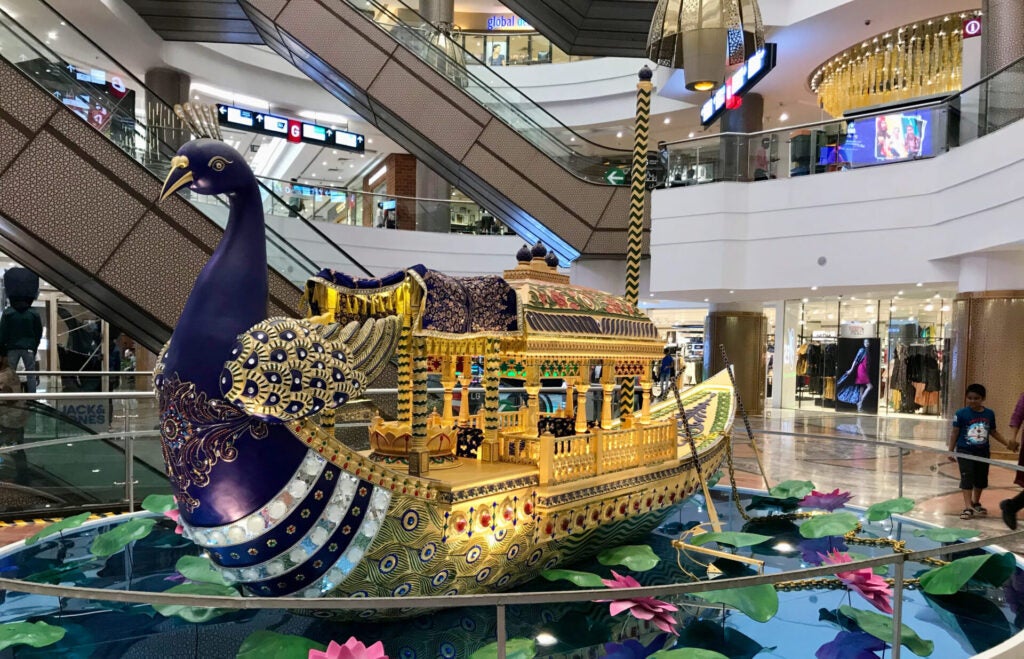 For illustration purposes
It’s not just about decorations, but cultural recognition
Malaysia’s diversity is reflected in the festivals we celebrate, from Hari Raya and Chinese New Year to Deepavali and Christmas.
These occasions offer Malaysians opportunities to appreciate traditions beyond their own communities.
Festive decorations, cultural performances and public celebrations can also help introduce younger generations to the customs and stories behind these festivals.
At the same time, it’s worth recognising that some shopping malls have put considerable effort into celebrating Deepavali.
For instance, The Star reported on an elaborate kolam display and cultural activities organised for this year’s celebration.
The ongoing conversation does not establish that shopping malls are deliberately overlooking Deepavali. Rather, it highlights how much cultural recognition matters to some Malaysians.
Malaysia takes pride in its multicultural identity, and Deepavali is an important part of that identity. Recognising the festival isn’t about competing with other celebrations, but ensuring that the traditions of Malaysian communities continue to be seen and appreciated.
What do you think? Are we doing enough to celebrate Deepavali as part of Malaysia’s multicultural identity? Let us know in the comments!
Also read: “Please lah, maximise Deepavali deco” M’sians Question Prioritising of Halloween Deco in Malls