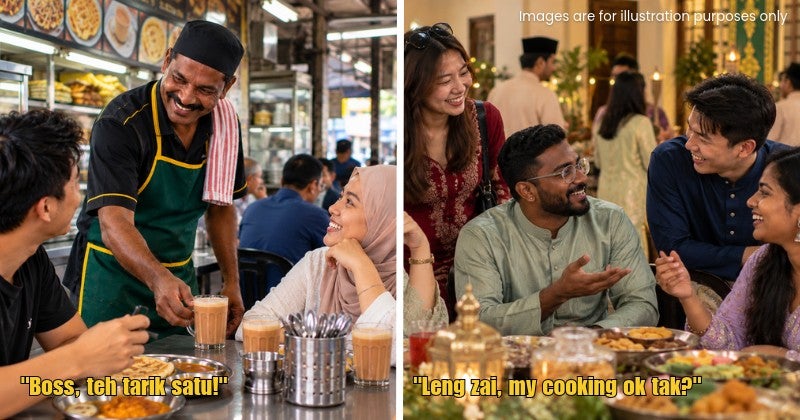
Walk into a mamak and you’ll hear “Boss, teh tarik satu!” Head to a pasar malam and it’s “Bang, berapa ni?” or “Kak, boleh kurang sikit?”
Funny thing is, none of these people is necessarily our boss, brother or sister. We probably don’t even know their names! Yet Malaysians have an entire vocabulary for strangers, and somehow, everyone understands.
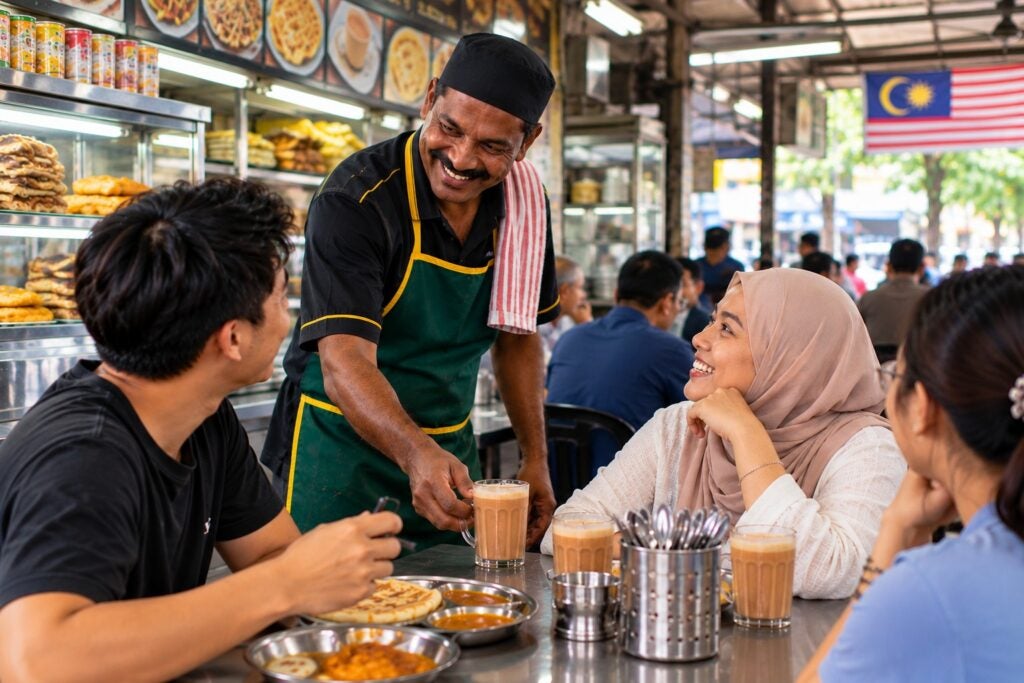 For illustration purposes
Why is everyone suddenly family?
Ever wondered why Malaysians call people aunty and uncle even when they’re not related?
A study published in World Englishes examined how aunty is used in Greater Kuala Lumpur, finding that its meaning extends beyond family relationships in Malaysia’s multilingual society.
These terms can express respect, friendliness or familiarity. And although other countries have similar customs, our mix of languages gives the habit a distinctly Malaysian flavour.
From boss and bang to anna, akka and leng lui
Our everyday vocabulary is practically a family reunion!
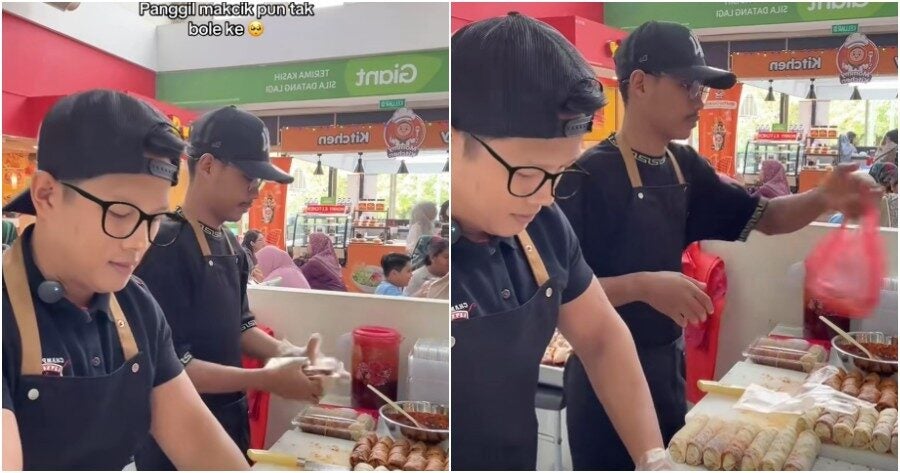
At the mamak, there’s boss, even if the person serving you doesn’t own the place. At the pasar malam, there’s abang or bang for men, kakak or kak for women, and adik for someone younger.
Then there’s pakcik and makcik, often used for older people, while aunty and uncle are familiar across different communities.
Among Tamil-speaking Malaysians, anna means older brother and akka means older sister. There’s also thambi for younger brother and thangachi for younger sister. Depending on the setting, these terms can extend beyond actual family relationships.
Malaysian Chinese communities have their own colourful expressions too. Depending on the Chinese variety spoken, you might hear ah pek for an older man, kor kor for an older brother or jie jie for an older sister.
And who hasn’t heard leng zai or leng lui at a Chinese eatery? These Cantonese expressions mean “handsome guy” and “pretty girl”, but they can also be used playfully to address customers.
Then there’s tauke or towkay, commonly associated with business owners, alongside the ever-popular bro and sis.
Of course, not every Malaysian uses every term. It depends on language, age, familiarity and the situation.
One minute it’s
“Boss, tambah kuah!”
and the next it’s
“Leng zai, my cooking ok tak?”
Different languages, different people, same Malaysian conversation.
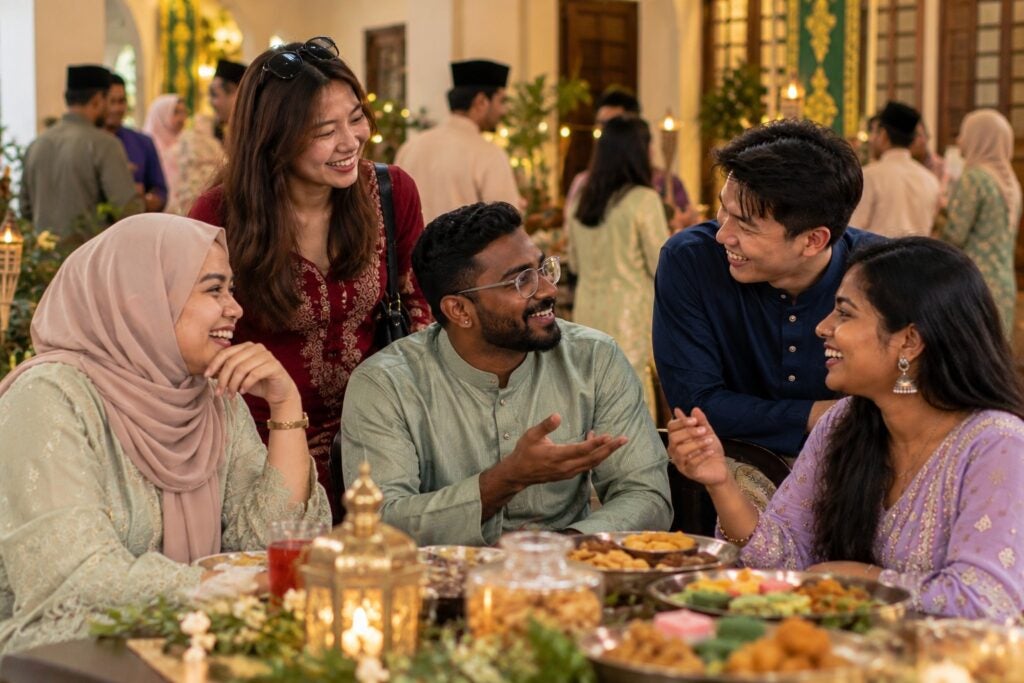 For illustration purposes
Even foreigners notice our honorary families
In an October 2024 Reddit discussion, for example, a Malaysian shared how his American wife found it unusual that people here address others as auntie, uncle, abang and akak.
She preferred that he address her mother by her first name rather than auntie.
Another commenter recalled calling his American girlfriend’s father “Uncle Greg”. Although the man initially found it strange, he eventually appreciated being treated like family.
As the commenter put it, “I miss Uncle Greg, best foreign uncle I ever had.”
Welcome to Malaysia, where you can apparently acquire an entire extended family before lunchtime.
But please, don’t call anyone aunty yet!
Of course, not everyone appreciates these honorary family titles.
Imagine being in your thirties when someone barely younger than you suddenly calls you aunty. Congratulations! You’ve been promoted to the older generation without applying.
WORLD OF BUZZ previously reported on a woman who preferred being addressed as puan rather than mak cik.
It’s a reminder that what sounds respectful to one person might make another feel unnecessarily old.
And with Deepavali around the corner…
With Deepavali coming up on 8 November, it’s a lovely time to appreciate the different languages and customs that make everyday Malaysian interactions so colourful.
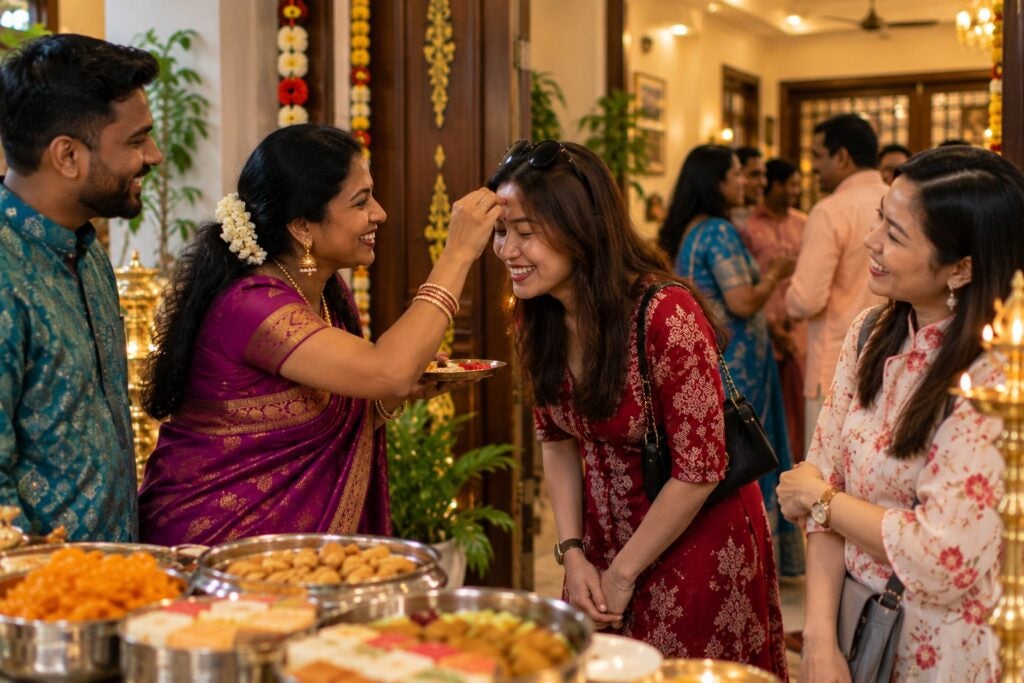 For illustration purposes
Whether you’re visiting a friend’s open house, meeting relatives from different generations or simply ordering lunch, a friendly anna, akka, bang or uncle can make a conversation feel more personal, provided the person welcomes it.
After all, Malaysians have plenty of ways to make strangers feel like family.
Just be careful who you call aunty. They might appreciate the respect, or start wondering whether it’s time to apply for a senior citizen’s discount.
What’s your go-to name for a stranger, and which one do you absolutely hate being called?
Also read: “Call me Puan, not Mak Cik” – M’sian Customer Reminds Food Vendor to Address Customers Properly