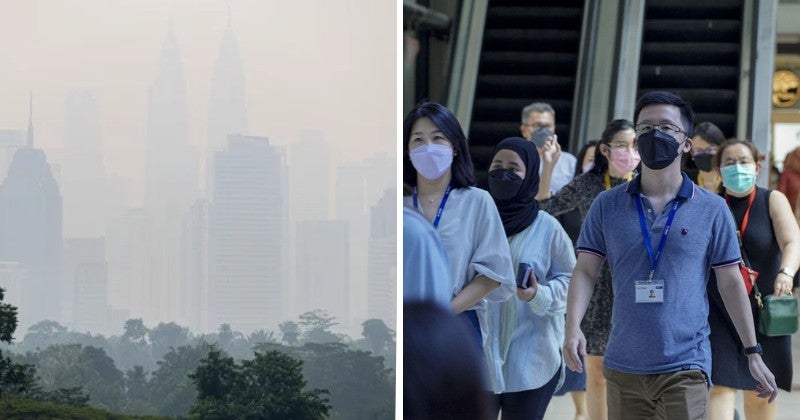
With haze affecting air quality in parts of Malaysia, the Department of Occupational Safety and Health (DOSH) Malaysia has issued updated guidelines reminding employers to take measures to protect workers from the effects of haze at the workplace.
In a notice shared on Facebook, DOSH directed employers to its Guidelines for the Protection of Employees Against the Effects of Haze at Workplaces, 2nd Edition, 2026, dated 14 October.
Under the Occupational Safety and Health Act 1994 (OSHA), employers have a duty to protect their employees’ safety and health at work. When the Air Pollutant Index (API) exceeds 100, employers should conduct proper risk assessments and implement measures to minimise or mitigate risks caused by haze, including poor visibility and its effects on health.
DOSH may order affected work to stop if haze poses an immediate danger to workers and the risks have not been adequately mitigated.
What employers need to do at different API levels
The guidelines outline different workplace safety measures depending on the severity of the haze. The API thresholds below refer to the 24-hour running average of particulate matter, including PM10.
- API 51–100 (Moderate): Employers should identify employees who are more susceptible to haze, identify outdoor work that may need to be reduced, determine when outdoor work should stop, maintain sufficient stocks of N95 respirators and improve indoor air-cleaning measures. Employees carrying out outdoor work should undergo respirator fit testing.
- API 101–200 (Unhealthy): Strenuous outdoor work should be minimised. Employers must provide suitable respirators to susceptible employees working outdoors, particularly those with existing heart or respiratory conditions. Those who have difficulty working outdoors should be moved indoors. Construction sites should also be sprayed with water regularly.
- API 201–300 (Very Unhealthy): Strenuous outdoor work should be avoided, while susceptible employees should be moved indoors, preferably to less physically demanding duties. Employers must provide suitable respirators to all employees carrying out outdoor work, and earthworks and earth movements should be temporarily stopped.
- API 301–400 (Hazardous): Strenuous outdoor work should be avoided, and suitable respirators must be provided to all employees working outdoors. Risk assessments should also account for the additional danger posed by poor visibility during activities such as lifting operations. Susceptible employees should remain indoors and avoid strenuous work.
- API above 400 (Very Hazardous): Outdoor work should be avoided, and all employees should remain indoors and avoid strenuous activities. Employers must assess the effects of haze on all workers, particularly those working outdoors. Emergency and essential service workers must wear suitable respirators to mitigate the risks.
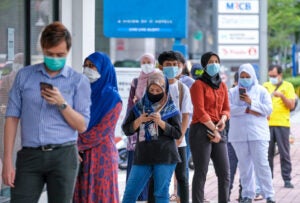
Employers urged to prepare for worsening haze
DOSH also advises employers to identify workers experiencing haze-related symptoms, including coughing, throat irritation, watery eyes, a runny nose, sneezing, itchy skin and breathing difficulties. Workers experiencing these symptoms should be advised to seek medical treatment.
Employers should ensure there are sufficient disposable N95 respirators, conduct fit testing for workers who need respiratory protection, and provide training and supervision on their correct use. Respirators should be replaced if they become dirty, physically damaged or difficult to breathe through.
For indoor workplaces, DOSH recommends keeping windows and doors closed most of the time to reduce haze entering the building, as well as improving air-cleaning and filtration systems where necessary.
Employers should also regularly update staff on the measures being taken to protect their health and provide channels for workers to report adverse effects caused by haze.

Employers could face RM500,000 fine for ignoring stop-work orders
According to the updated guidelines, when the API exceeds 100, employees face increased health and safety risks due to fine particulate matter (PM10) and reduced visibility. DOSH warned that if haze poses an immediate danger to workers’ health and an employer fails to mitigate the risks, the department has the authority to issue an immediate stop-work order.
Failing to comply with a stop-work order carries heavy penalties under OSHA. Employers found guilty can face a fine of up to RM500,000, imprisonment for up to 2 years, or both. Additionally, a further fine of RM2,000 per day may be imposed for every day the offense continues.
The guidelines also state that employers must determine when outdoor work should stop based on proper risk assessments, with activities only resuming once appropriate precautions have been taken to reduce the risks.
The full guidelines are available on the official DOSH Malaysia website.
Stay tuned to WORLD OF BUZZ for more updates!
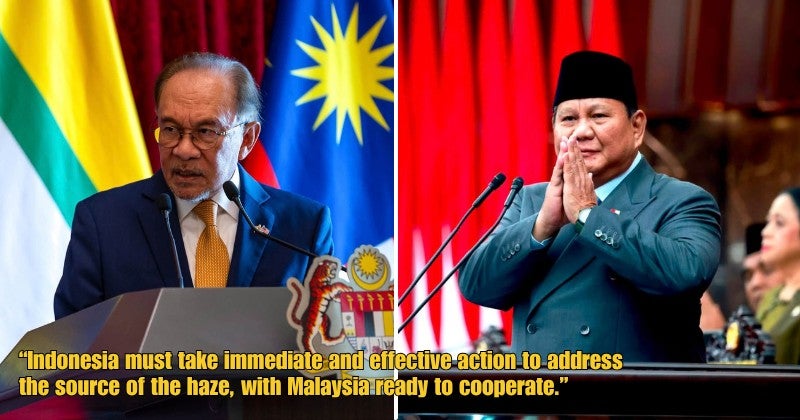
Also read: Anwar Ibrahim: Prabowo Subianto Agrees to Take Action Over Worsening Haze