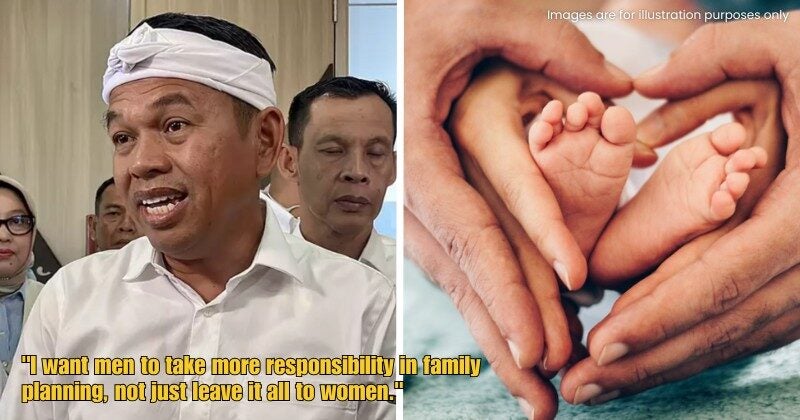
On April 29, West Java Governor Dedi Mulyadi suggested that poor men should get a vasectomy if they want to receive welfare aid, saying it was a way to help lower birth rates.
The idea was meant to cut down on births in poor families as a long-term plan to fight extreme poverty in the area, as reported by Sinar Harian.
For illustration purposes only
“If they can’t afford it, why rush into having a child?”
In case you didn’t know, a vasectomy is a permanent form of birth control for guys where the tubes that carry sperm from the testicles are cut and sealed. It stops sperm from mixing with semen, which means no chance of pregnancy.
Dedi said if someone can’t afford to raise a kid or pay for their education, they shouldn’t rush into having one.
However, his comments sparked a major backlash involving religious leaders, community figures, academics, human rights groups, and the public, with many slamming the idea as extreme, inhumane, and a violation of basic rights.
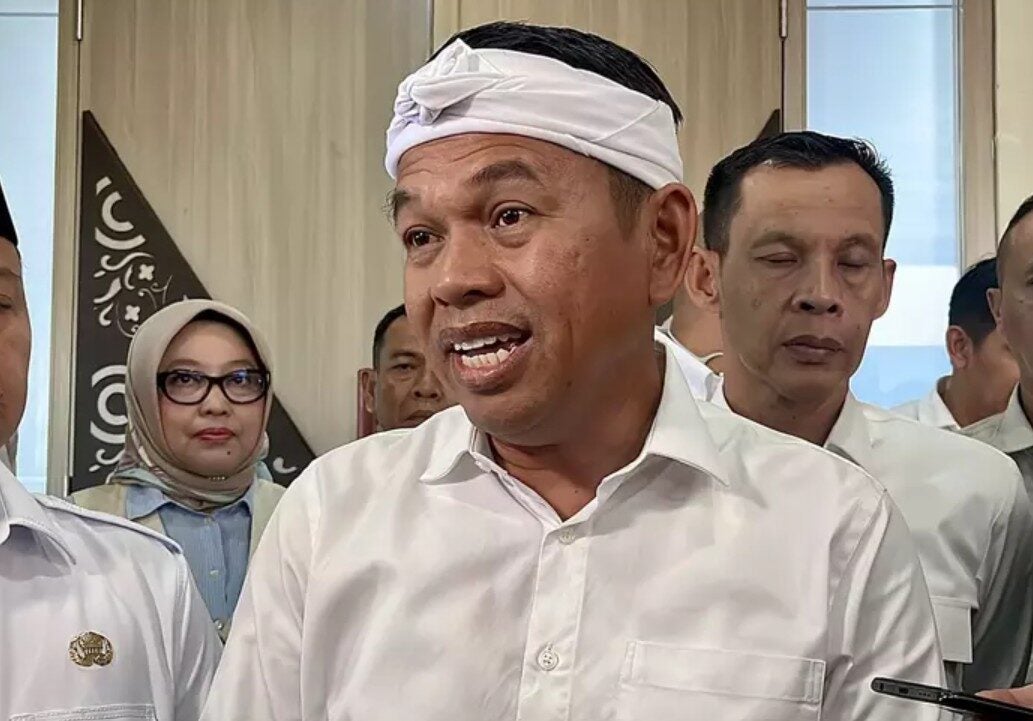
Dedi mulyadi
A vasectomy isn’t allowed in Islam
Dedi’s idea comes with an IDR500,000 (about RM130) incentive for men who agree to get the procedure.
More controversially, access to other assistance (including food, healthcare, education scholarships, and housing) would also depend on whether a man is willing to get the procedure done.
“I want men to take more responsibility in family planning, not just leave it all to women,” he said.
But over in West Java, the Indonesian Ulema Council (MUI) said vasectomy isn’t allowed in Islam unless there’s a serious medical reason.

For illustration purposes only
“We need to consider the families living in poverty”
Meanwhile, the Indonesian Human Rights Commission (Komnas HAM) called out the proposal, saying it violates personal rights and puts unfair pressure on poor people.
“Your body is your own. Tying aid to a medical procedure is basically a subtle form of coercion,” said chairperson Atnike Nova Sigiro.
In response to the backlash, Dedi stood by his idea, saying it’s not mandatory but an incentive for those who are willing.
“I’m not forcing anyone. If they’re not okay with it, that’s totally fine. But we need to seriously think about the future of families living in poverty,” he said.
What are your thoughts on this? Let us know down in the comments!
Also read: Indonesian Governor Embarrassed by Nation’s Heavy Reliance on Malaysia for Basic Necessities