
A recent statement by Kedah’s Tourism Exco, Mohd Salleh Saidin, defending Langkawi’s 2025 tourism performance has sparked criticism as Seputeh Member of Parliament (MP) Teresa Kok argued that the figures fail to reflect the island’s declining competitiveness within Southeast Asia.
While the reported 3.2 million tourist arrivals may appear convincing, Kok noted in a Facebook post that comparisons with regional rivals tell a different story. According to her, Langkawi is increasingly being overshadowed by destinations such as Phuket and Bali. Phuket alone recorded approximately 13 million visitors in 2025, nearly four times Langkawi’s total.
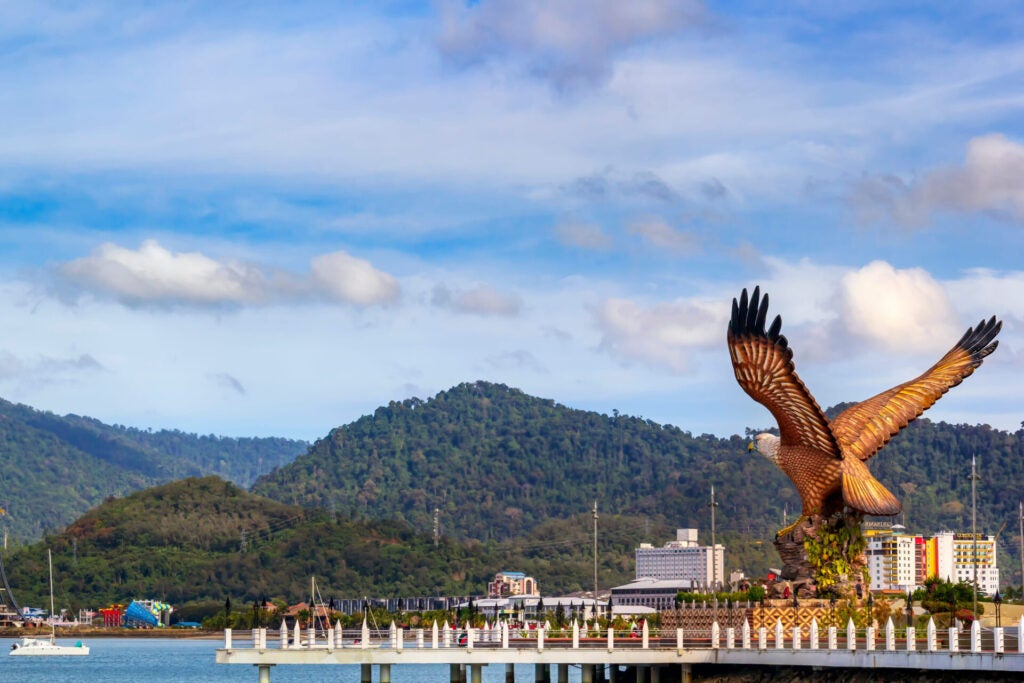
For illustration purposes only
Widening gap in regional growth
In the same period, Bali attracted over 33 million tourists. Highlighting the disparity in growth, Kok pointed out:
“Bali saw an increase of over 17 million visitors year-on-year, and Phuket gained more than 4 million, whereas Langkawi’s increase stood at just over 300,000.”
Despite the low arrival numbers, Kok mentioned that the island ranked second in the 2025 Condé Nast Traveller Readers’ Choice Awards for top islands, outperforming both Bali and Phuket. She suggested that while this recognition demonstrates a global appreciation for Langkawi’s natural beauty, it also underscores a failure in governance to convert such accolades into actual footfall.

Accountability and state leadership
The Kedah state government has also been accused of deflecting responsibility by pointing to federal agencies, such as the Langkawi Development Authority (LADA). However, analysts emphasise that Langkawi remains under Kedah’s jurisdiction and that the state government should play a more proactive role in promotion and development.
Attention has turned to the leadership of Menteri Besar Muhammad Sanusi Md Nor, as Kok questioned whether sufficient effort has been made to market Langkawi effectively. Suggestions included leveraging cultural and religious tourism strategies to attract Muslim travellers through more creative and visible campaigns.
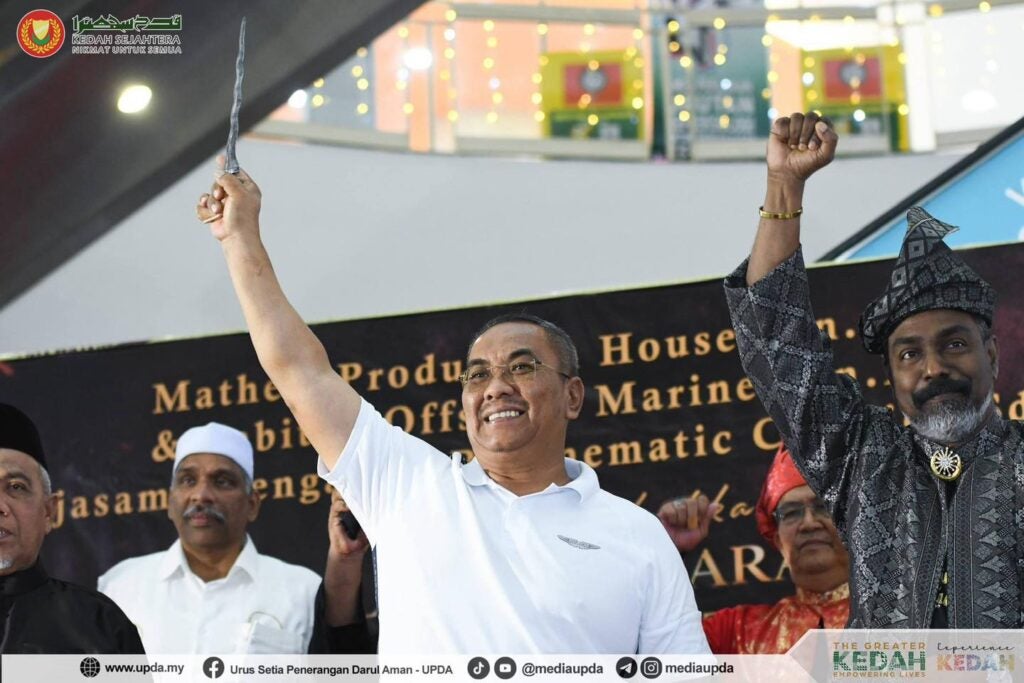
“Why is Sanusi spending time acting in ‘The Keris’ instead of using that influence to aggressively promote Langkawi?” she asked.
“If he truly wants to attract Muslim tourists, then show it through creative campaigns. Why not feature state leaders and religious figures enjoying family-friendly activities on Langkawi’s beaches, dressed in traditional Kedah attire? That would send a strong message.”
Economic impact of entertainment events
Concerns have also been raised regarding the state’s stance on entertainment and tourism-driven events. Large-scale festivals, such as the Rain Rave Water Music Festival in Bukit Bintang, have demonstrated significant economic impact, reportedly generating hundreds of millions of ringgit.
“Unfortunately, PAS leaders seem more inclined to oppose and restrict such economic activities on narrow moral grounds,” Kok remarked.
“Just imagine if that RM200 million economic impact were brought to Langkawi; it would undoubtedly boost hotels, restaurants, and taxi services across the island.”
Kok also noted that the Minister of Tourism, Arts and Culture, Dato’ Sri Tiong King Sing, has been actively engaging on the ground to promote tourism in Malaysia, including attending events like the Rain Rave Water Music Festival.