Malaysia’s road transport laws could soon undergo one of their most significant updates in years, with the government preparing to table a comprehensive amendment bill to tackle illegal racing, strengthen enforcement, and modernise road transport regulations.
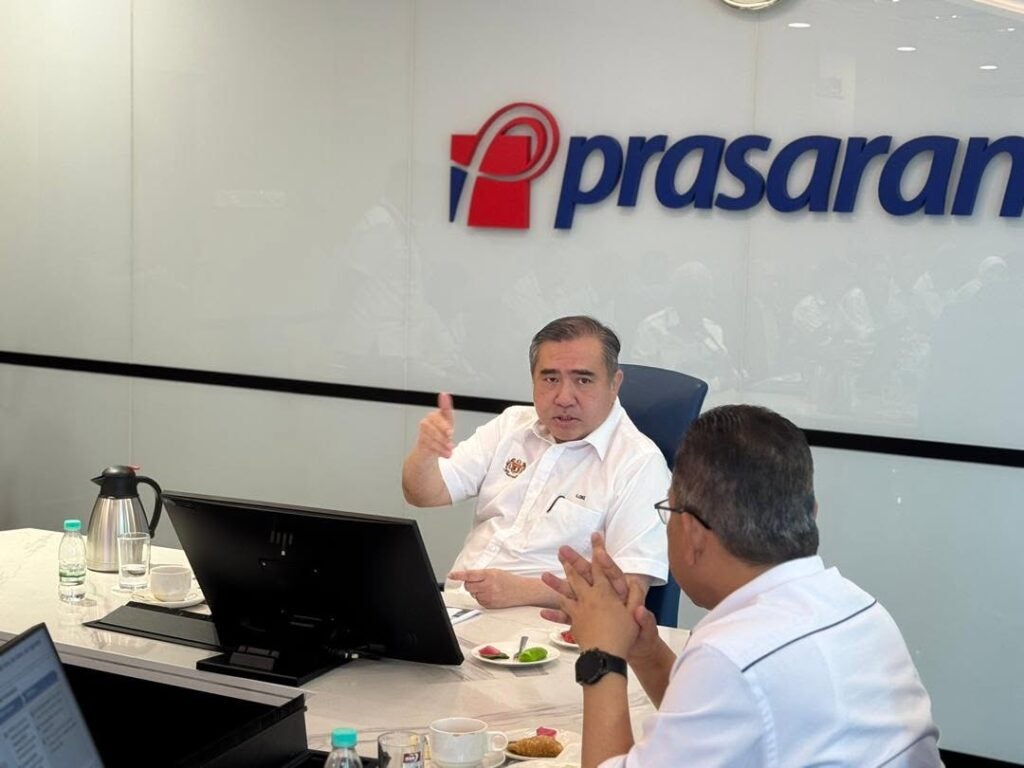
Transport Minister Anthony Loke said the Road Transport (Amendment) Bill, which encompasses 11 areas of reform and 42 amendment clauses, will be tabled for its first reading in the Dewan Rakyat on Monday (22 June). According to Loke, the proposed amendments have received support from both sides of the political divide.
Key priorities of the Amendment Bill
Among the primary objectives of the proposed changes is a tougher approach towards illegal street racing, which continues to endanger road users across the country, particularly during weekends.
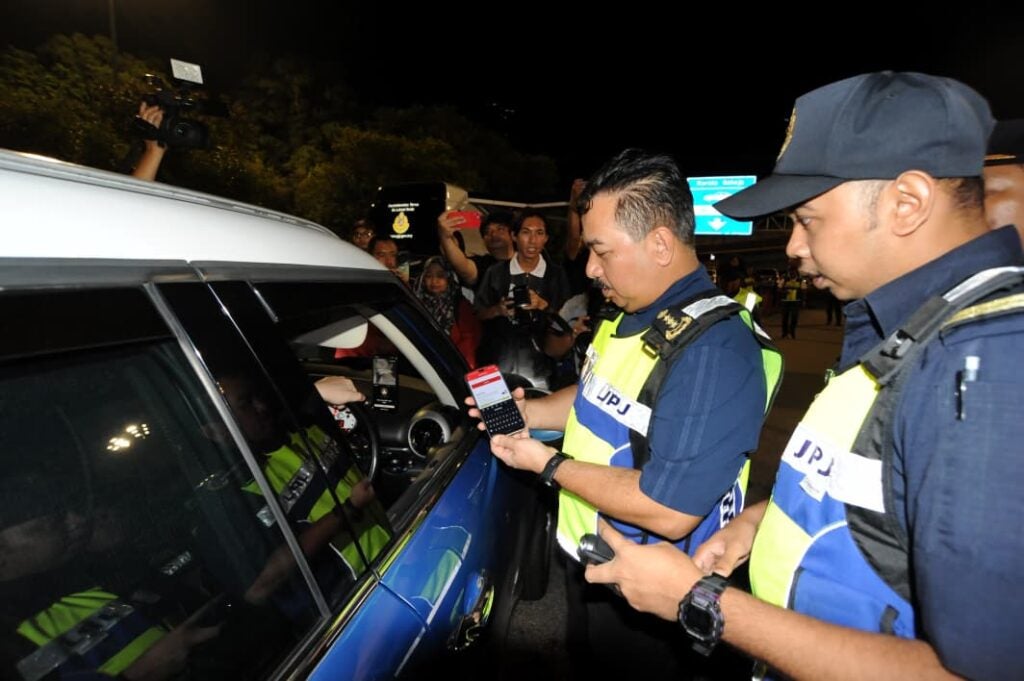
The amendments will also introduce stronger measures against tonto syndicates (lookout informants) that assist offenders in evading enforcement operations, while enhancing authorities’ powers to improve road safety and compliance with traffic laws.

Beyond enforcement, the government is seeking to address emerging transport issues through new provisions governing speed testing and the growing use of micromobility vehicles, such as e-scooters and e-bikes.
Digitalisation and revised penalties
Loke said the amendments will accelerate the digital transformation of the Road Transport Department (JPJ). This includes the wider adoption of electronic documents and digital notices, alongside stricter penalties for anyone found to have submitted false information or forged documents.
Describing the exercise as a comprehensive review of Act 333, he noted that the government has taken the opportunity to incorporate a wide range of improvements into the legislation, including raising the maximum compound rate beyond the current RM300 limit.
However, Loke stressed that the higher penalties would only apply to selected offences considered serious or repeatedly committed. These include violations involving vehicle and driving licences, speeding, vehicle inspections, and traffic signals or directions.
“The existing compound rates are no longer an effective deterrent to habitual offenders. To ensure a smooth transition, the government is proposing a grace period of at least two years before the revised compound rates are enforced,” BERNAMA quoted the Transport Minister as saying.
The next phase of reforms will focus on introducing a compensation mechanism for victims of crashes involving drunk drivers, motorists under the influence of drugs, and reckless drivers. This initiative aims to provide greater protection and justice for victims and their families.
What do you think of this move?