In a road accident, many Malaysians believe that the party without a valid driving licence, road tax or insurance coverage will automatically be liable in a motor vehicle accident claim. It is unknown where this understanding came from, but you’ve most probably heard of it before.
In reality, this couldn’t be further from the truth. At least, it hasn’t been since a ruling by the Court of Appeal on 16 June 2022. Read on to learn more about the landmark ruling which changed how liability is considered when calculating damages in negligence suits in Malaysia.
For illustration purposes
The landmark case
Speaking to WORLD OF BUZZ, Irzan Iswatt, a partner at Kuala Lumpur-based law firm ADIL Legal, elaborated on the ruling, which is for the case of Ahmad Zulfendi bin Anuar v Mohd Shahril bin Abdul Rahman [2022] MLJU 1587.
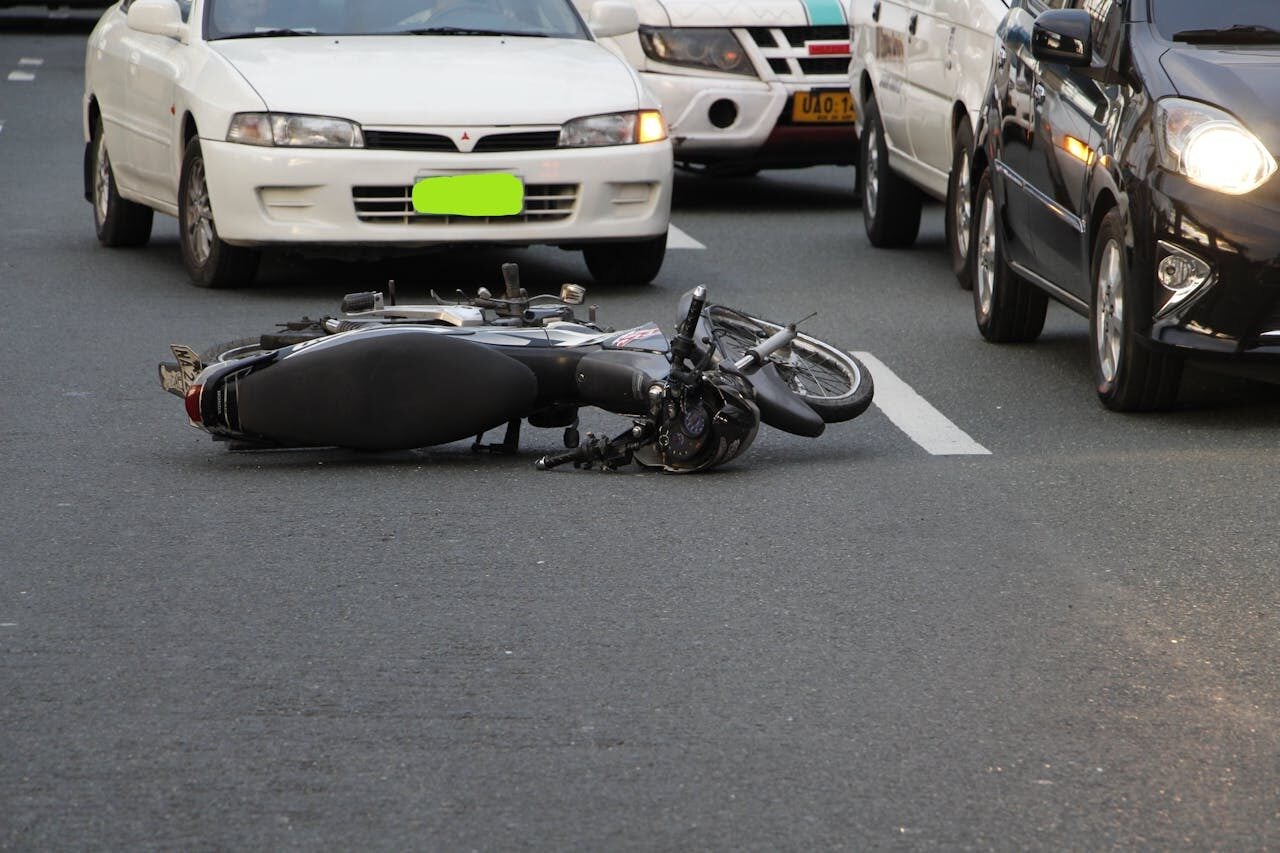
“This case is a claim for general and special damages originally filed at the Sessions Court. The appellant, Ahmad Zulfendi Anuar, suffered injuries when the motorcycle he was riding on was involved in an accident with a car owned by the respondent, Shahril Abdul Rahman, at kilometre 30 of Jalan Langkap-Kampar near Tapah Road, Perak, on 15 December 2017,” he said.
For illustration purposes
At the Sessions Court, liability between the parties was apportioned at 70% against the car owner for being responsible for the collision and 30% against the motorcyclist for contributory negligence.
Furthermore, the Sessions Court allowed the motorcyclist’s claim for, among others, loss of future earnings of RM192,000 (with a multiplicand of RM 1,000) and actual loss of income of RM 28,333.30 (after a one-third deduction from RM 2,500).
The case was then brought to the High Court
The motorcyclist then brought the case to the High Court, and upon appeal and cross-appeal on both liability and quantum, the findings of the Sessions Court were affirmed.
However, the Judicial Commissioner of the High Court decided to impose an additional 30% contributory negligence on the motorcyclist due to his riding without a valid driving licence, road tax and insurance during the crash.
Accordingly, the High Court revised the apportionment of liability considerably between the respondent and the appellant, from 70%:30% to 40%:60%.

For illustration purposes
The motorcyclist appealed the High Court’s decision to the Court of Appeal
Dissatisfied, the motorcyclist then filed an appeal to the Court of Appeal. Iswatt elaborated that the primary focus of the appeal was whether contributory negligence or additional liability ought to fasten on a motorist who suffers injuries in a motor vehicle accident caused by the negligence of another.
The appeal further sought to determine whether the motorcyclist ought not to be entitled to relief, in whole or in part, if, at the time of the accident, he did not hold a valid licence to ride a motorcycle which also had no road tax and no policy of insurance against third-party risks.
Ultimately, the Court of Appeal allowed the motorcyclist’s appeal on liability, setting aside the High Court’s decision on liability and reinstating the Sessions Court’s assessment of liability.
For illustration purposes
The lack of a driving license, road tax or insurance coverage shouldn’t be taken into consideration if it’s not directly related to the collision
Moreover, the Court of Appeal found that liability in tort must be decided based on how the collision took place. The lack of a driving licence, road tax, or insurance coverage should not be a determining factor if they are not directly related to the negligence or collision, and therefore cannot increase the motorcyclist’s degree of negligence.
However, the Court of Appeal emphasised that this doesn’t mean that it was condoning the blatant breach of road traffic laws, as if there had been any breach of the Road Transport Act 1987 (RTA), the applicable penalties could be enforced. For this, it is the duty of the public prosecutor to prosecute such a breach and the relevant court to impose the necessary punishment.
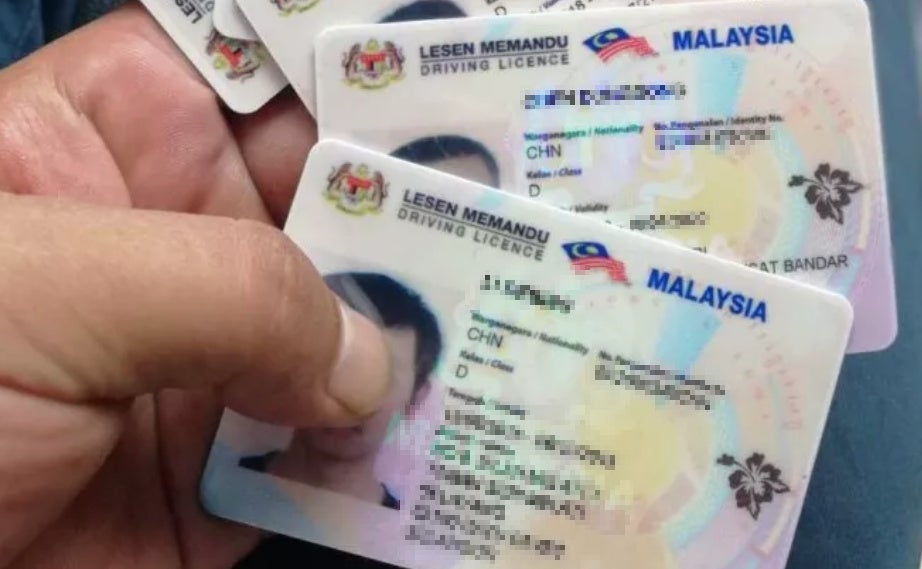
For illustration purposes
The binding precedent set by the ruling
Here is a snippet from the judgment of the case:
“[124] We are of the view that the non-holding of such licence should not be factored into increasing the liability of the said motorist especially given the facts of this case where his contribution towards his negligence has been assessed by the Sessions Court to be 30% liable. The factors of lack of a licence or road tax or insurance do not in the circumstance of this case make the appellant more negligent or contributed much more to his negligence other than as previously held by the Sessions Court to be assessed at 30%. These factors should not deny the right of the appellant from claim relief either in whole or in part.
[125] We see no good reason to interfere with this finding and apportionment of liability. To increase the apportionment of liability by another 30% or any part thereof for that matter would be to take into account an irrelevant consideration which does not, in the circumstances of this case, affect the way the accident had happened.
[126] We appreciate the point of public policy but we cannot say that the appellant is profiting in any way from his breach of the RTA where licensing, road tax and insurance is concerned. He is merely claiming for personal injuries sustained.
[127] As such we therefore allow the appeal of the appellant on liability and set aside the High Court’s decision on liability and reinstate the Sessions Court’s assessment of liability.”
Following this ruling, Iswatt clarified that a precedent was set in which driving or riding without a valid driving licence, road tax, or insurance coverage can’t be a factor in determining a road user’s liability for negligence in a motor vehicle accident claim in Malaysia.

For illustration purposes
So, what do you guys think of this landmark ruling? Share your thoughts with us in the comments!
Also read: JPJ Reprimands M’sian Who Sent 6 Students to School for RM100/Mth Each in Alza With No Road Tax