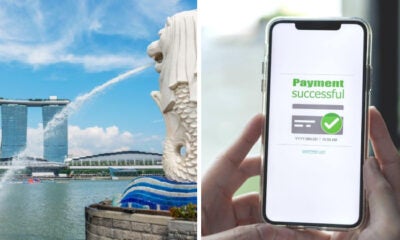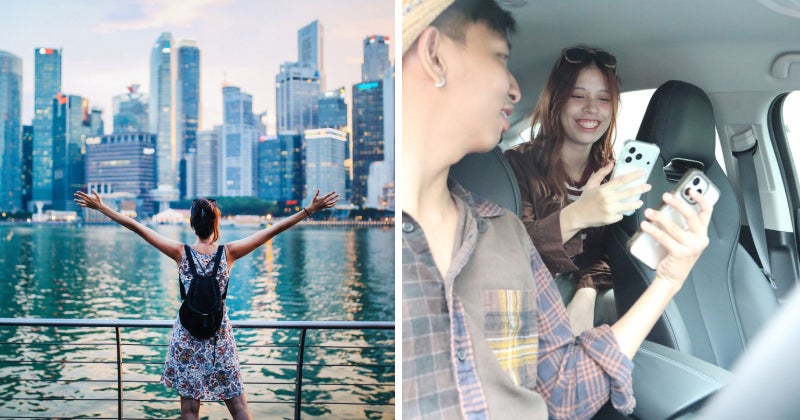
For many Malaysians, a weekend dash to Singapore has become almost routine. What once needed careful planning now fits neatly between Friday night and Sunday evening, helped by proximity and smoother border processes. These short-haul trips are frequent, familiar, and increasingly spontaneous.
What’s changed is not just how often people cross the Causeway, but how they spend once they arrive. Shopping bags and café hopping still matter, yet digital payments, app-based services, and new leisure options are quietly redefining the experience. The real story sits in these small shifts, repeated week after week.
1. Spending Patterns Beyond Shopping Malls
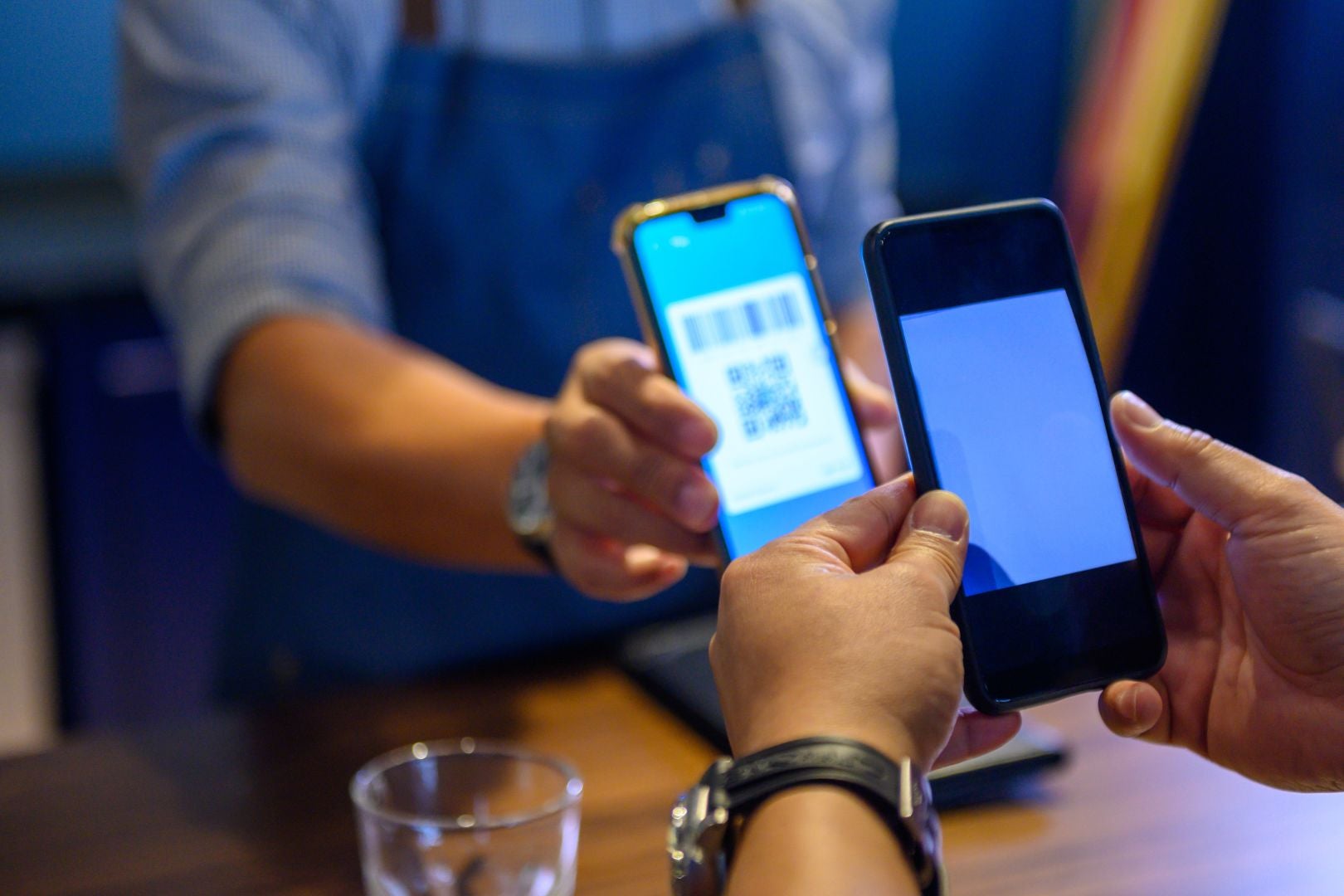
For illustration purposes only.
Shopping centres still pull crowds, but spending has spread into smaller, more personal choices. Visitors are just as likely to pay for boutique fitness classes, themed cafés, or digital subscriptions accessed while travelling. Leisure is becoming more fragmented, shaped by apps rather than itineraries.
This matters because entertainment spending is increasingly digital-first. Streaming, mobile gaming, and online platforms travel with the user, regardless of borders. These platforms rely on trusted, seamless transactions, reflecting broader expectations Malaysians bring with them when they cross the border.
2. The Rise of Short-Haul Getaways
Quick Singapore trips now sit somewhere between a holiday and an errand run. Improved transport links and predictable travel times make it easy to plan last-minute escapes, especially for city dwellers in Johor and the Klang Valley. Convenience has turned Singapore into a regular weekend option rather than a once-a-year treat.
The scale of movement across the border shows how normalised this has become. By May last year, more than eight million of Malaysia’s roughly 16.9 million international arrivals came from Singapore, according to tourism arrival data. That same ease works in reverse, encouraging Malaysians to pop over for brief, purpose-driven trips.
3. Digital Payments And Leisure Choices
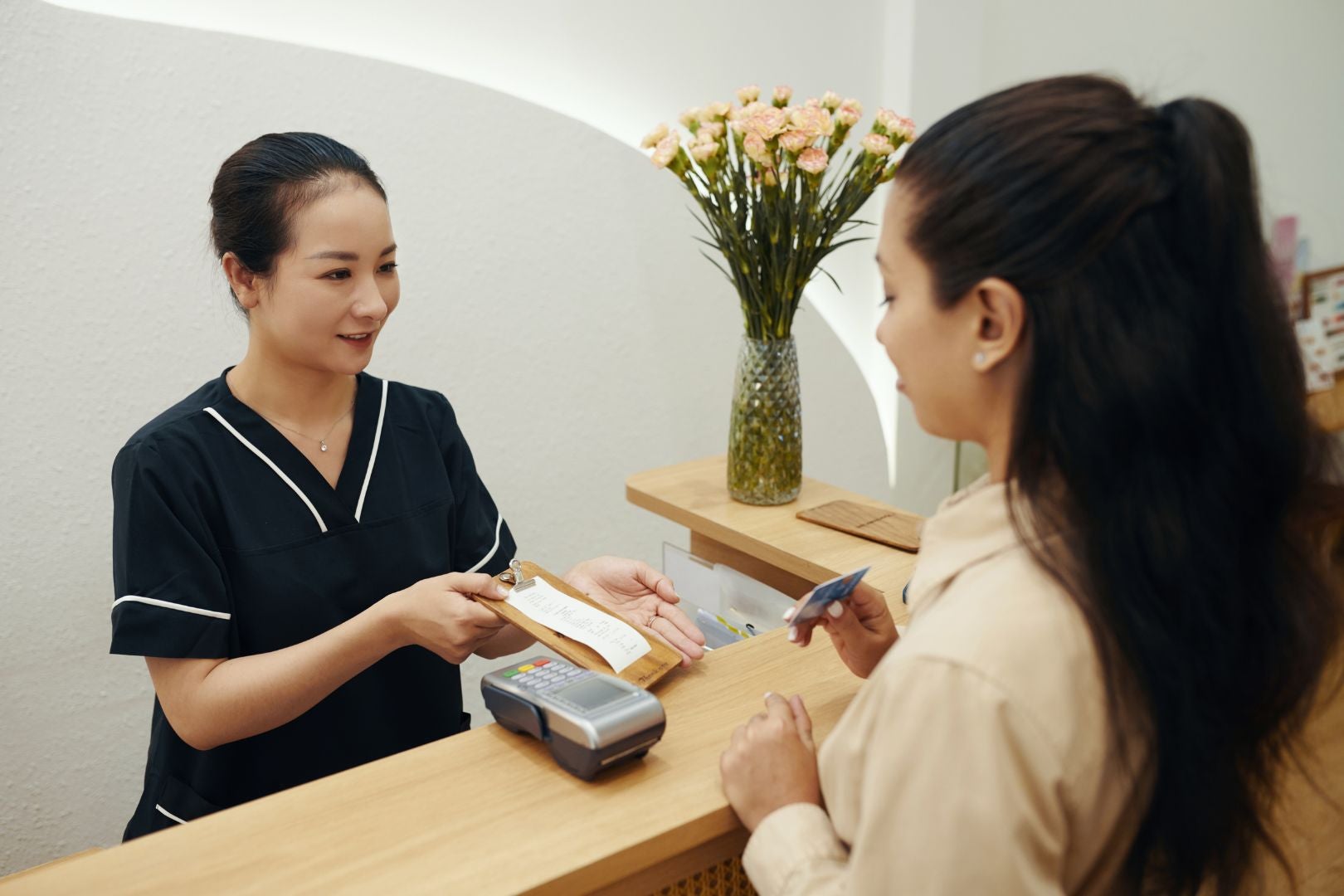
For illustration purposes only.
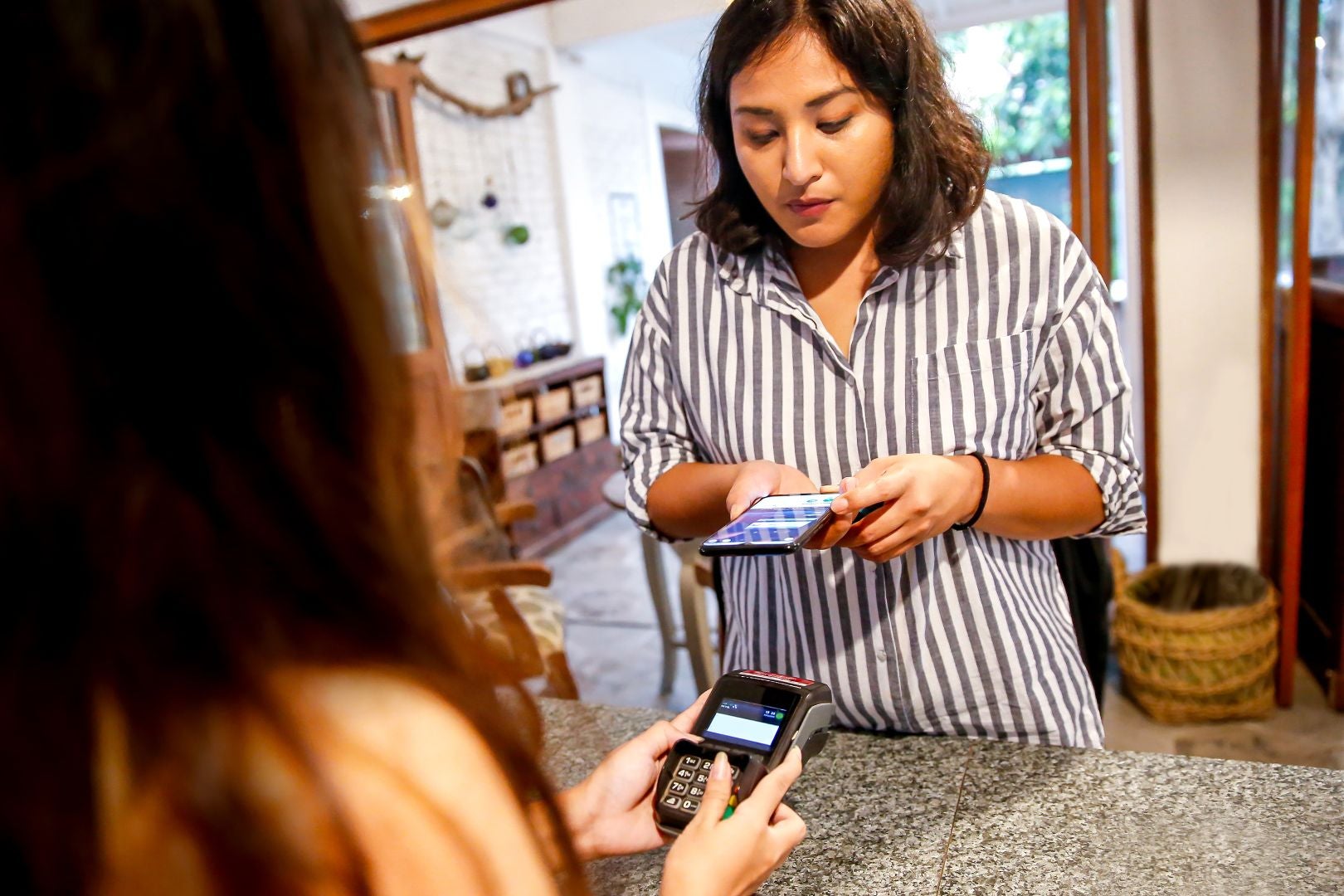
Cash is no longer central to how Malaysians navigate Singapore. QR codes, e-wallets, and contactless cards handle everything from transport to meals, removing friction from short stays. The result is spending that feels lighter and more impulsive, even when budgets are tight.
The numbers underline this behavioural shift. Cross-border QR payment transactions reached 11.8 million, worth RM967 million, in the first half of 2025, based on cross-border QR growth. When paying is effortless, people are more willing to sample experiences, whether that’s a pop-up event or an app-based service used on the go.
4. What Cross-Border Spending Reveals
These habits reveal something bigger than weekend indulgence. Malaysians are increasingly comfortable managing money digitally while abroad, trusting familiar apps and systems beyond national borders. That confidence changes what feels “worth it” on a short trip.
Spending through Malaysian platforms overseas has surged alongside this trust. Data from The Star shows TNG eWallet cross-border spending grew 360% between 2023 and 2025, handling over RM300 million per month by mid-2025, as reported in the cashless travel trend. It’s a sign that digital infrastructure, not distance, now shapes travel behaviour.
A Weekend Habit With Bigger Implications
For illustration purposes only.
Taken together, these short trips tell a clear story. Malaysians aren’t just travelling more often; they’re carrying their digital lifestyles across the border. Payments, entertainment, and everyday spending now move as fluidly as people do. This convergence is especially visible in regulated digital entertainment options, such as legal online casinos in Singapore, which illustrate how tightly payment systems and leisure habits are now connected.
As Malaysia pushes Visit Malaysia 2026 and Singapore continues refining its cashless ecosystem, weekend travel will likely keep evolving. For travellers, it means more choice and less friction. For the region, it signals a future where borders matter less than how seamlessly people can live, spend, and unwind on either side.
Also read: Tech Is Making Everyday Digital Life Way More Flexible