
Due to high volatility in the foreign exchange market, the Malaysian ringgit stands out. Since it is a moderately traded emerging market currency, the ringgit responds to global changes and also to developments at home, including monetary policies, political security and oil prices.
Understanding the ringgit is crucial for traders and international investors seeking to capitalize on new opportunities and develop more effective trading strategies. With the forex market becoming more straightforward to join, traders are incorporating local currency trends into their global strategy.
In this situation, a forex trading app is helping many traders stay on top of the action and make trades from their mobile devices.

The Ringgit’s Role in the Forex Ecosystem
Many global traders do not exchange the Malaysian ringgit (MYR) as frequently as they do the US dollar (USD), the euro (EUR), or the Japanese yen (JPY). However, the ringgit has a substantial impact on regional and commodity-related foreign exchange pairs. Since Malaysia primarily exports palm oil and petroleum products, its currency is significantly influenced by fluctuations in global commodity prices.
If oil prices increase, the ringgit frequently strengthens because Malaysia’s trade surpluses improve. Alternatively, lower oil prices can result in a weaker currency and an increased risk of capital flowing out of the country.
As the MYR has these sensitivities, anyone including it in their portfolio should watch for interest rate, inflation levels, global political developments and how world commodities behave. Since it is traded frequently against the USD, SGD, CNY and AUD, the ringgit becomes an essential focus for both Asian and resource-based forex strategies.
How Bank Negara Malaysia Impacts Interest Rates
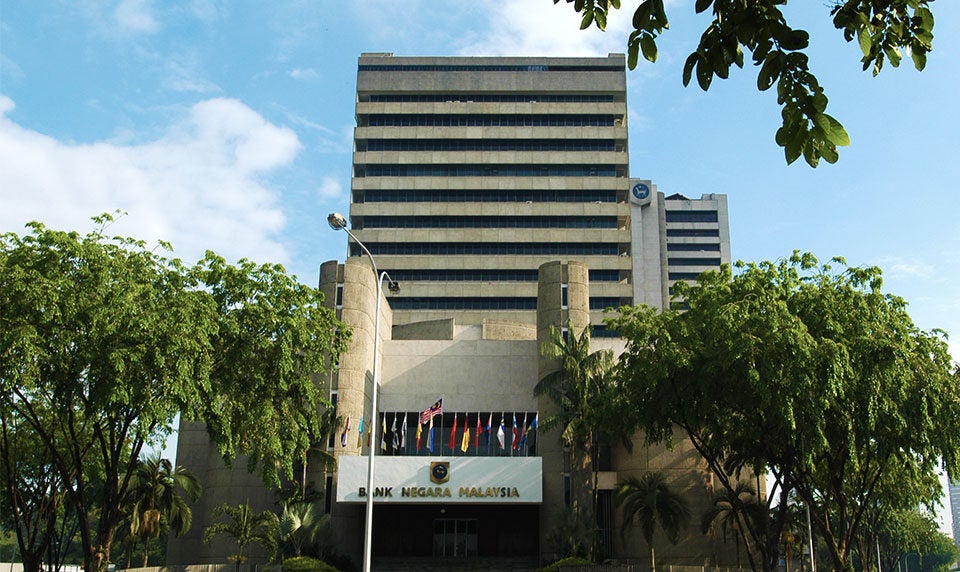
The central bank’s (BNM) monetary policy setting is a leading cause of changes in the ringgit within Malaysia. Traders closely monitor the OPR, as it indicates the changes the central bank is considering in its economic policy or anti-inflation efforts. When the OPR is increased, foreign capital tends to enter the country, which strengthens the ringgit. Conversely, when the rate decreases, less investment arrives, and the ringgit can depreciate.
BNM’s choices typically reflect the state of the local economy and also take into account the impact of U.S. Federal Reserve decisions. When the US central bank increases rates and ours does not, the difference tends to help the dollar’s value and contribute to the weakening of the ringgit.
Top forex investors benefit from these rate differences using carry trading or making moves around these central bank events.
Political Stability and Market Sentiment
The strength of the ringgit is strongly affected by changes in Malaysia’s political climate. When general elections happen, when policies are altered or when heads of state are replaced suddenly, the currency market can become very volatile in the near term. The MYR weakens when investment flows out of Malaysia because investors worry that political issues will bring risks.
Malaysia’s uncertain periods can present significant buying and selling opportunities for many Forex traders who stay informed about national developments. If traders believe a pro-enterprise government is on the horizon, the economic changes could encourage investors to support the ringgit. However, political instability might suggest that some traders anticipate selling the MYR in preparation for foreign companies to divest their shares in domestic corporations.
Using sentiment as a guide to trade is now widely preferred by retail forex users who follow both nearby events and global financial trends.
External Trade Relations and Regional Currency Correlation

Since Malaysia makes a high number of exports, any change in the world market, especially from big trading partners like China, the U.S. and Singapore, may quickly cause the ringgit to move. Lower-than-expected global demand can cause the ringgit to fall, but it often strengthens when Malaysia’s trade data improves.
Besides that, the MYR often moves together with the Thai baht (THB), Indonesian rupiah (IDR) and the Philippine peso (PHP). Keeping track of these links, traders can use data releases from Southeast Asian countries to either protect themselves from losses or estimate future MYR movement. Its close link to regional opinions means that traders can both gain and lose depending on how they approach the situation.
Policies Specifically Built for the Ringgit
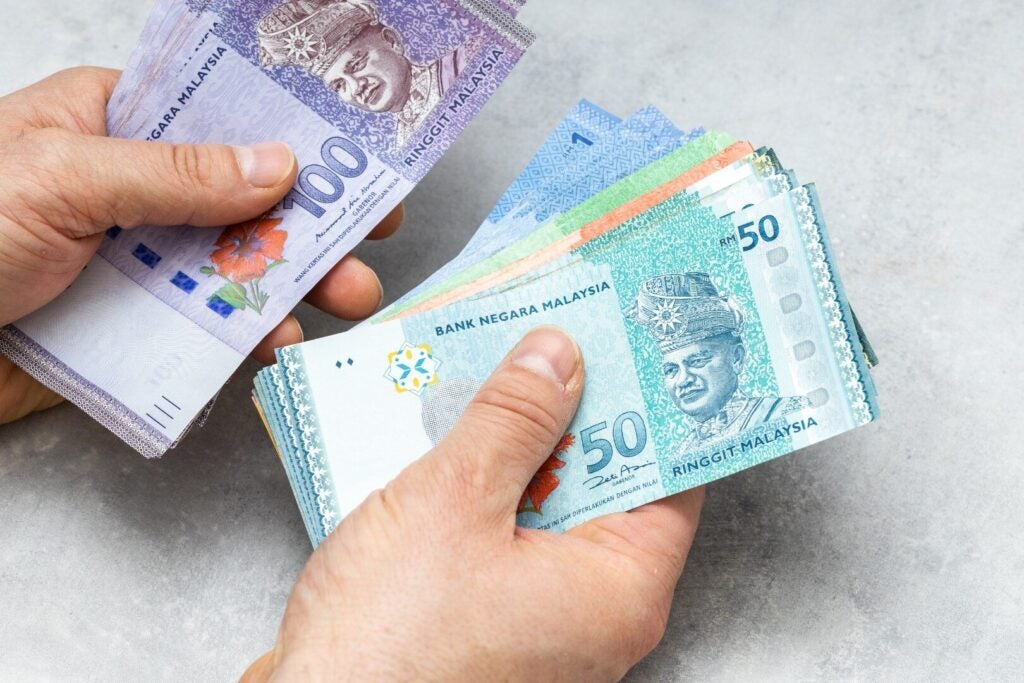
Due to its liquid nature and sensitivity to various factors, the ringgit requires experienced and well-planned trading. Sometimes, traders rely on swing trading guided by technical indicators and important news calendars when essential events, such as BNM interest rate decisions or U.S. non-farm payrolls, are announced.
For others, arbitrage is essential, as they trade the ringgit across various places or use it to hedge against holding currencies that track commodities such as the Canadian dollar and Australian dollar. Scalping the MYR/USD pair is becoming increasingly popular, mainly due to the larger volume and narrower spreads during the morning Asian session.
Typically, performing well in ringgit trading involves combining insights from fundamental analysis with those gleaned from trend charts and signals. Offsetting risks in trading is made easier for those who follow the recent trends and policies in Malaysia and neighboring regions.
The Malaysian ringgit may not lead the world in forex trading, but it has its place. The movements of currency in Asia reveal a great deal about what is happening in the region and serve as a warning for countries more reliant on commodity trade. Tracking ringgit variances helps forex traders from anywhere develop approaches that leverage both local and global experience.
As more people in Southeast Asia can trade currencies and use mobile applications, the ringgit may become more significant. Not only is the MYR used for interest rate strategies, but it is also helping traders gain new opportunities as the Asian market evolves.
Also read: How Trading Trends Are Shaping the Future of Investments in Southeast Asia