Ever felt like you never belonged to any particular group or community? Well, you might be an ‘otrovert’ and you may find your society within ‘otroversion’.
Coined by New York-based psychiatrist, Dr Rami Kaminski, otroversion is about the ‘perpetual outsider’, a person who isn’t exactly an introvert or an extrovert.

Dr rami kaminski
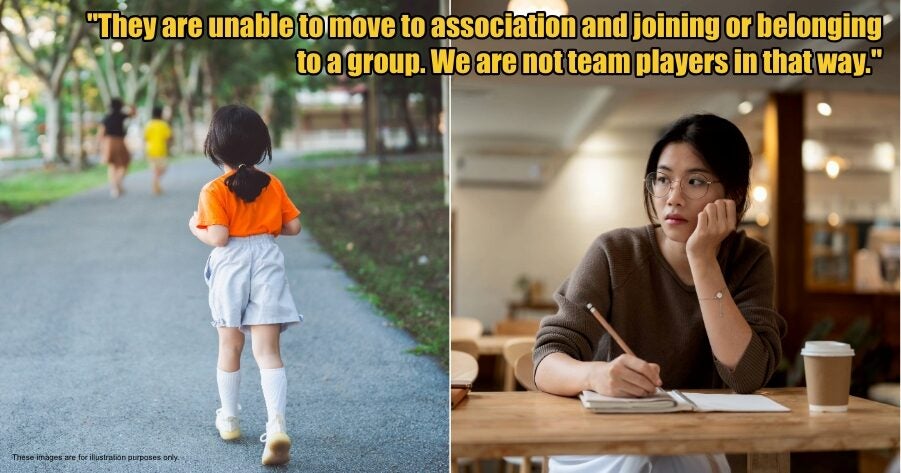
“Basically, there is something in that particular person that sort of rebelled against the notion of conditioning or indoctrination, and they are unable to move to association and joining or belonging to a group,”
“We are not team players in that way.”
What is otherness?
Having founded The Otherness Institute for otroverts, Dr Rami believes that everyone was born an otrovert, but many steer away from it upon joining society.

This image is for illustration purposes only
“We are all singular entities at birth. When we begin to use language, most of us make the shift from solitary to communal beings. Our entire life from then on is driven by an innate desire to belong, finding safety in groups and fear in isolation. A minority of humans do not make this transition and remain non-belongers; otroverts are eternal outsiders.”
“Otherness is a personality trait. As opposed to relational disorders such as Asperger’s syndrome or personality disorders, otroverts are empathic and friendly, with no problem creating loving relationships. In fact, there is no obvious distinction from any well-adjusted individual. The distinction lies in the inability to belong,” his website read.
How to know if you’re an otrovert
An otrovert is defined as someone who embodies the personality trait of ‘otherness’, remaining an eternal outsider amidst humanity’s shift from solitude to social connection through language.

This image is for illustration purposes only
Unlike relational disorders, otroverts are empathetic and friendly, yet struggle to truly belong in social groups, despite no apparent behavioural distinctions from well-adjusted individuals.
Here are some ways to identify if you are an otrovert:
While otroversion can lead one to feel strange and unwelcome, considering it can result in frustrating efforts to fit in, one can embrace their non-belonging and find strength in it to achieve personal and professional contentment and success.
What do you think about this? Do feel free to share your thoughts in the comment section.