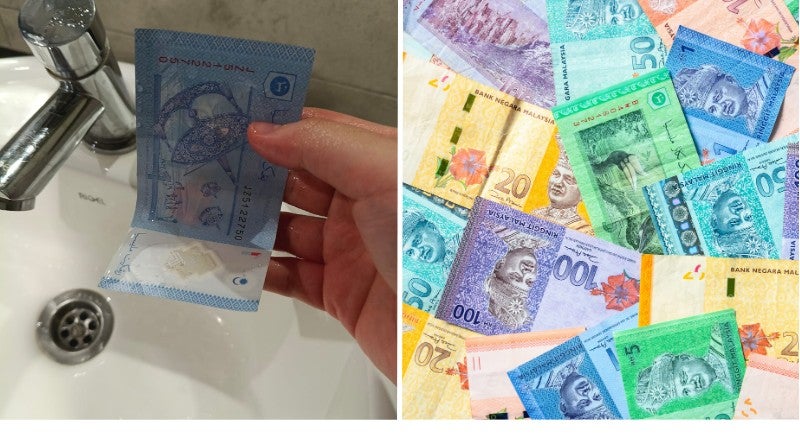
Ever accidentally left some cash in your pocket before throwing your clothes into the washing machine?
While discovering a soggy RM10 or RM50 might leave you panicking, RM1 and RM5 notes are a little different. That’s because the two lower-denomination notes in Malaysia’s current banknote series are made from polymer, rather than the cotton-based paper used for the RM10, RM20, RM50 and RM100 notes.
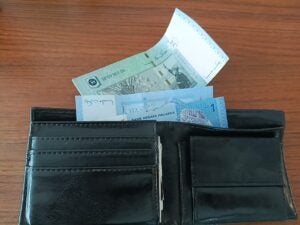
According to Bank Negara Malaysia (BNM), polymer banknotes are durable, are not easily torn and do not absorb water, making them cleaner to handle and longer-lasting than conventional paper banknotes.
So, why are RM1 and RM5 notes made differently?
It isn’t just because they’re meant to be more water-resistant.
BNM introduced polymer substrates for the RM1 and RM5 notes in the fourth series of Malaysian banknotes, which began entering circulation in 2012.
BNM said polymer was chosen for the RM1 because it has an extended lifecycle and is particularly suitable for a lower denomination that sees high usage. In other words, those little RM1 notes are expected to change hands a lot.
Think about how often you might use one for parking, buying a drink, paying for something at a kedai or making up the exact amount of change.

Making the note from polymer helps it withstand the wear and tear that comes with being constantly handled.
Why aren’t all Malaysian banknotes made from polymer?
This is where things get interesting.
While the RM1 and RM5 are made from polymer, the RM10, RM20, RM50 and RM100 notes in the current series use cotton paper.
BNM says polymer notes can last two to three times longer than cotton-paper notes, but producing polymer notes also involves specialised materials and manufacturing processes. For a frequently handled RM1 or RM5, spending more resources on a longer-lasting note can make sense because the note is likely to be replaced more often.
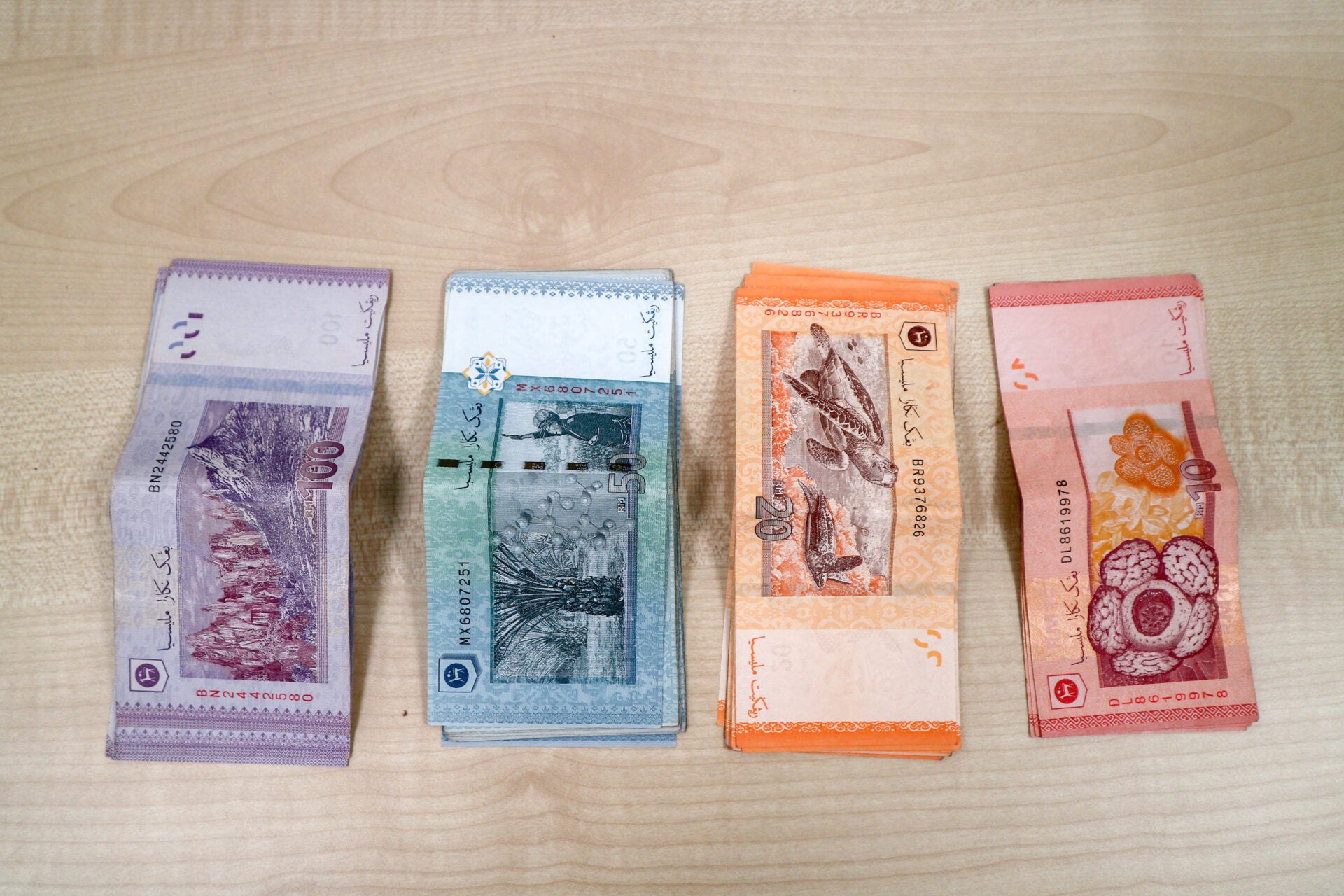
Higher-value notes generally don’t need the same level of protection from constant circulation, so retaining cotton paper avoids applying the additional cost and specialised production requirements of polymer to denominations where the durability benefit may be less significant. So, essentially, BNM doesn’t need every Ringgit to be waterproof.
The polymer is used where its durability is particularly useful, while cotton paper remains suitable for the higher denominations. So the choice of material isn’t simply about asking “Which one is cheaper?” It’s about balancing things like durability, security, procurement and how frequently a particular denomination is used.
In short, the idea was to use a more durable material where it would be particularly useful.
But don’t try washing your money at home
Before anyone gets any ideas, this isn’t an invitation to start putting your cash through the washing machine.
BNM specifically advises the public to handle both polymer and paper banknotes properly. For polymer notes, the central bank says they should not be exposed directly to high temperatures and recommends keeping them flat and cleaning them if they become dirty. So, while polymer gives RM1 and RM5 notes an impressive resistance to water, water-resistant doesn’t mean washing-machine-proof.
Still, the next time you pull an RM1 note out of your pocket, you might look at it a little differently. That tiny blue note is basically Malaysia’s low-denomination workhorse, designed to survive years of being passed from hand to hand, while being a little less bothered by water along the way.