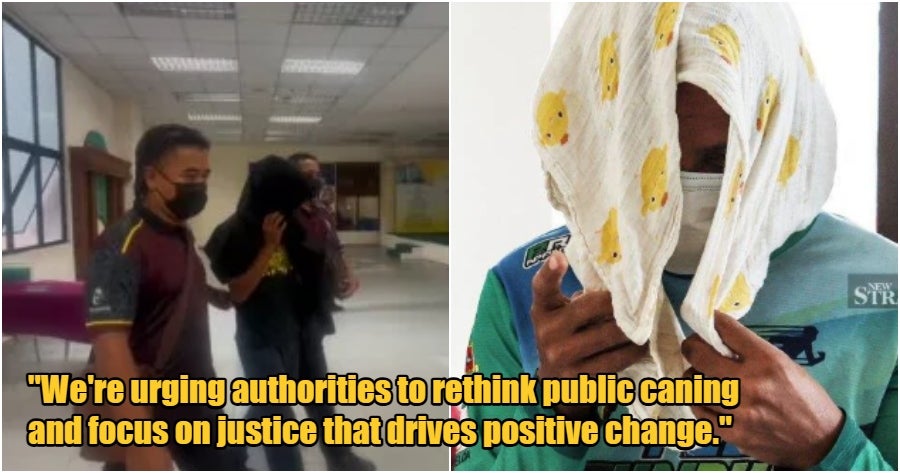
In November, a 42-year-old Malaysian widower was reported to become the first person in Terengganu to be caned in public for repeated khalwat.
The punishment was set to be held at Masjid Al-Muktafi Billah Shah in Kuala Terengganu on December 6 but has been postponed to December 27, as reported by Sinar Harian.

“The punishment is cruel, inhuman and degrading”
The Human Rights Commission of Malaysia (SUHAKAM) has criticised the Terengganu Shariah Court for overstepping its jurisdiction by ordering a man convicted of khalwat to be caned in public.
In their statement, they expressed their deep concern over the decision, noting how the Syariah Courts (Criminal Jurisdiction) Act 1965, or Act 355 allows caning as a punishment but doesn’t permit it to be done in public.
“The Commission pointed out that whipping under Syariah laws isn’t the same as civil law. They said the punishment is cruel, inhuman, and degrading, and it also brings up serious questions about whether public caning is even legal under the Federal Constitution and federal law.”
The punishment could increase stigma instead of promoting change
SUHAKAM also pointed out how carrying out such punishments in public makes them even more degrading, causing the person humiliation, anguish, and shame.
“Public caning goes against human dignity and violates a basic principle in both international law and Malaysia’s Federal Constitution. Article 5 of the Constitution protects the right to life and personal liberty, which the courts have said includes the right to live with dignity.”
They also pointed out that this kind of punishment goes against human rights, strips away a person’s dignity, and creates more stigma instead of helping them improve or change.

“Corporal punishment should be stopped”
SUHAKAM is urging authorities to reconsider public caning and focus on upholding the Federal Constitution, federal laws, and basic human rights. They stressed the need to move away from practices that harm human dignity and instead focus on justice that helps people change their lives for the better.
“It’s time for Malaysia to join the United Nations Convention Against Torture and Other Cruel, Inhuman or Degrading Treatment or Punishment (UNCAT), as many other Muslim-majority countries have already done,” they said.
They also noted how they firmly believe that corporal punishment should be completely stopped, whether it’s carried out by the courts or in schools.
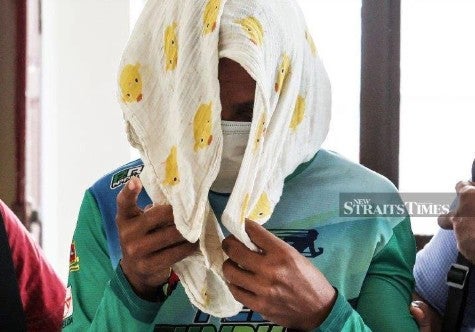
Mohd Affendi Awang was ordered to be given 6 strokes of the cane and was fined RM4,000, with a 6-month jail sentence (if he fails to pay the fine).