Malaysia has one of the highest literacy rates in the region, but a closer look at student reading habits reveals a growing gap between academic reading and reading for leisure.
While Malaysia’s general literacy rate stands at 94.64%, the Programme for International Student Assessment (PISA) 2022 results showed that the country ranked below the international average for reading. Scores also declined from 415 in 2018 to 388 in 2022, with less than half of students meeting the minimum proficiency benchmark.
FINCO survey highlights link between reading habits and academic performance
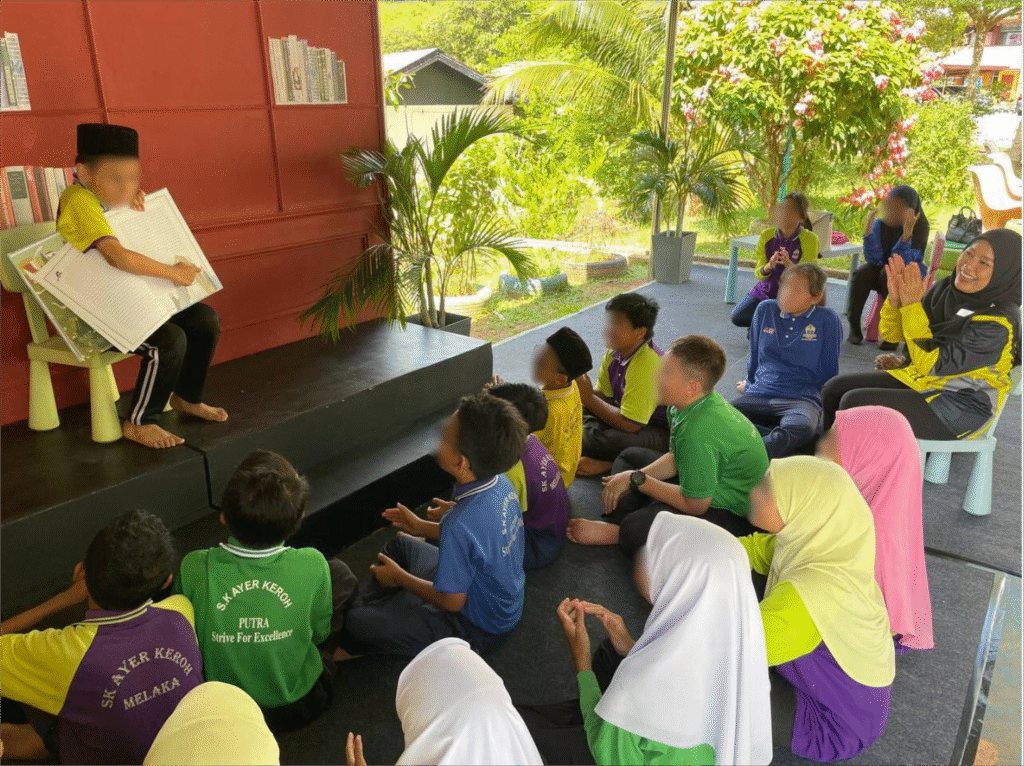
A recent survey by the Financial Industry Collective Outreach (FINCO), titled Reading Culture Amongst Malaysian Students, gathered 1,168 responses from primary and secondary school students across Malaysia.
The survey found a strong positive link between reading frequency and academic achievement. Students who read less frequently were more likely to record lower average grades.
However, the findings also showed that while students generally read consistently for school-related purposes, self-initiated leisure reading remains low. More than one in four students surveyed said they do not read as a hobby.
Commenting on these findings, Tan Sri Azman Hashim, Chairman of FINCO said, “It is encouraging to see students engaging deeply with academic texts, but we must also nurture curiosity and joy in reading beyond the classroom. When reading becomes a habit of choice, not just a task, it opens doors to creativity, empathy, and lifelong learning.”
Lower-income students read less frequently
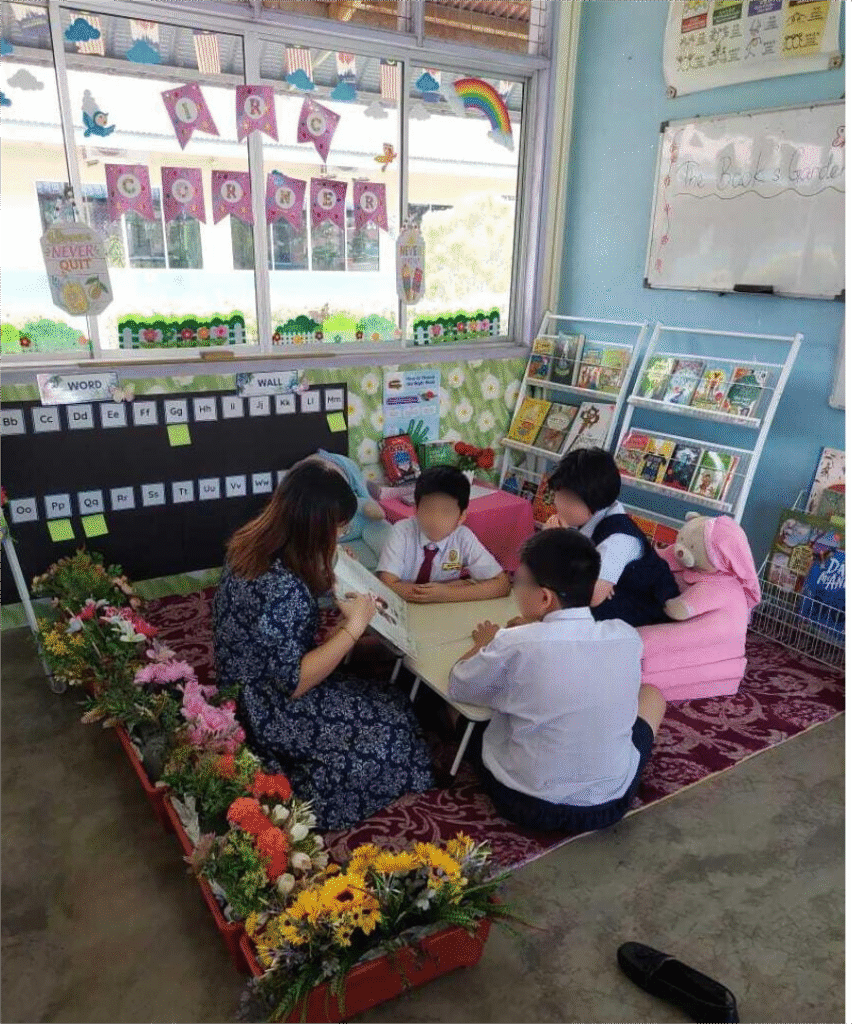
The survey also found a noticeable gap based on household income. Students from lower-income households — indicated by participation in free school meal programmes — were twice as likely to read infrequently compared to their peers from higher-income households. They were also less likely to read for pleasure.
Limited access to books at home appears to be a contributing factor. Nearly one in three students reported having fewer than 10 books at home.
Students with stronger reading habits, on the other hand, were more likely to come from households with more than 20 books.
Primary school students who were read to more than four times a week showed the strongest tendency to develop good reading habits. The data suggests that the less frequently children are read to, the less likely they are to become regular readers later on.
Digital reading is more common among frequent readers
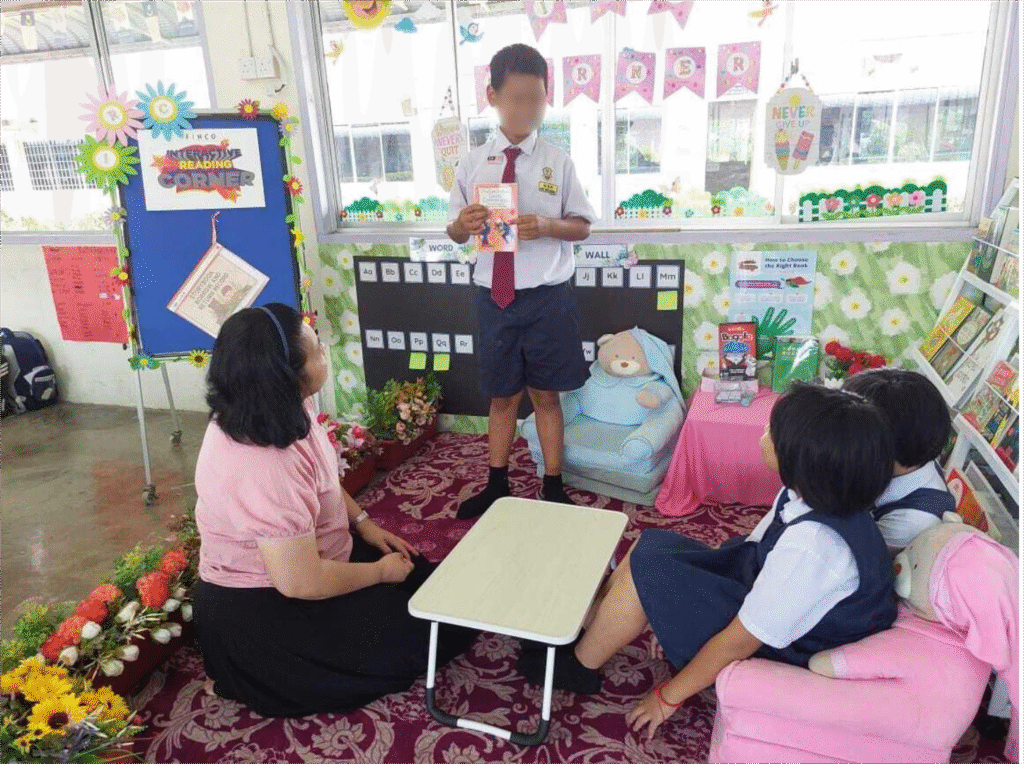
The survey also found a link between reading frequency and digital device usage.
About 73% of frequent readers reported reading on digital devices daily, compared to 53% of infrequent readers, suggesting that digital platforms may play a role in encouraging reading.
“Digital reading is reshaping how young Malaysians interact with stories and information. As students turn increasingly to screens for both learning and leisure, our goal should be to nurture habits that promote curiosity, comprehension, and critical thinking—empowering them to navigate information wisely and creatively,” said Clare Walker, CEO of FINCO.
Four focus areas to improve reading culture
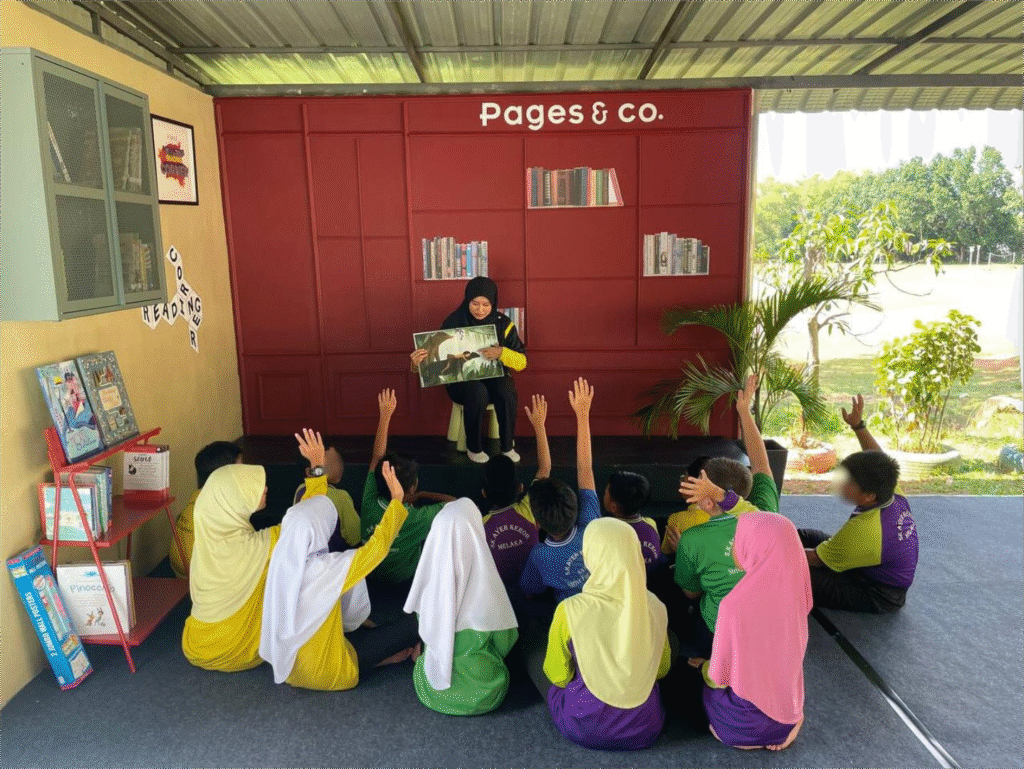
Based on the findings, the report identified four key focus areas to strengthen Malaysia’s reading culture:
- Fostering interest-driven reading using digital platforms and visually appealing genres. Having culturally relevant reading materials can make reading both enjoyable and inclusive, particularly for students from lower-income backgrounds.
- Expanding access to reading materials, both physical and digital, by enhancing school and community libraries, and cultivating supportive environments at home and school.
- Cultivating reading habits at home, with families modelling reading behaviours and establishing structured reading routines from a young age.
- Leveraging technology responsibly by incorporating digital resources. This should include providing guidance to students and parents on online safety and sourcing appropriate reading materials to enhance digital literacy.
The full report can be read on FINCO’s website.
Also read: Study: Malaysia Overtakes the Philippines to Become Country With Highest English Proficiency in Asia