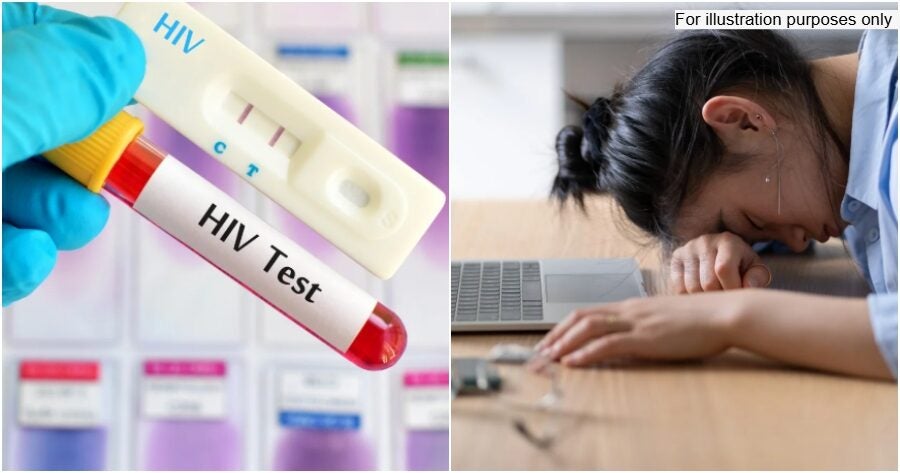
HIV cases among youth show alarming upward trend, with over 1,000 university students infected between 2020 and 2024. Just last year alone, 222 university students were diagnosed with HIV.
The majority of them were only 18 or 19 years old.
For illustration purposes only
In a shocking revelation, Dr Mohammad Mujaheed Hassan, a lecturer at the Department of Social Sciences and Development, Faculty of Human Ecology, Universiti Putra Malaysia (UPM), stated that deliberate transmission of the virus has contributed to the rising numbers, something that even surprised him.
According to Dr Mujaheed, many students had intentionally spread HIV to others as an act of revenge, a phenomenon referred to as “revenge transmission.”
These students did not disclose their HIV status to their partners and continued engaging in casual relationships without using protection.
“They admitted to intentionally spreading the infection because they didn’t want to face the consequences alone,” he said.
“Feelings of anger, disappointment, and betrayal overwhelmed them, and they felt that others should suffer the same fate.”

For illustration purposes only
Mujaheed added that many students engaged in sexual activity with non-regular partners without using condoms. Factors such as misplaced trust, lack of information, emotional vulnerability, and peer pressure contributed to their disregard for protective measures.
He also noted that same-sex relationships among male students (MSM) were identified as one of the risky behaviours contributing to the spread of HIV, according to a report by BERNAMA.
Social networking apps such as Grindr, Hornet, and Tinder were commonly used by students to find partners, often leading to casual sexual encounters without adequate protection.
Deputy Minister of Health, Datuk Lukanisman Awang Sauni, revealed that over the past four years, a total of 1,091 university students were diagnosed with HIV, a virus that silently and gradually weakens the immune system.
Mujaheed further emphasised that many students were unaware of HIV-related programmes available at their universities, indicating that prevention messages were not effectively reaching the target audience.
Also read: M’sian Housewife Infected With HIV After Husband’s Affairs With Other Women