How significant is the impact on Malaysians as global oil prices rise?
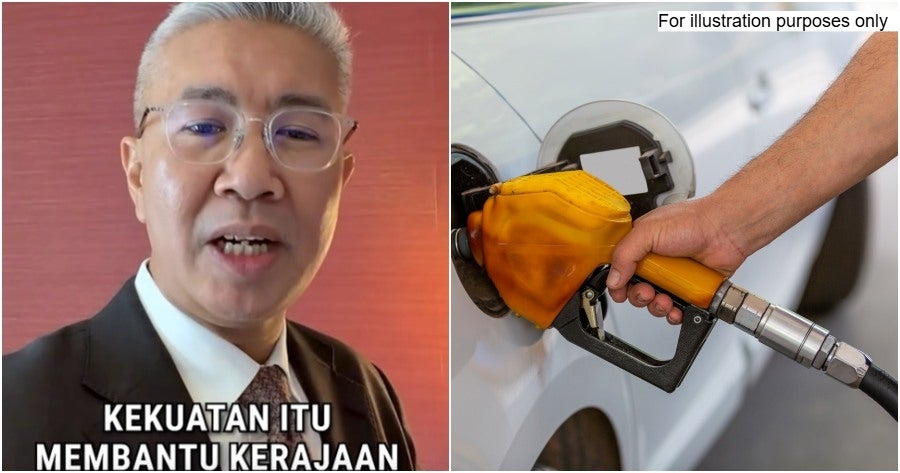
According to former Minister of Investment, Trade and Industry Tengku Datuk Seri Zafrul Abdul Aziz, Malaysia is effectively shielded from soaring global oil prices because it is an oil-producing nation rather than just a consumer.

Tengku datuk seri zafrul abdul aziz
Consequently, the domestic impact is less severe than in many other countries. Tengku Zafrul noted that this dual role is a strategic strength that mitigates economic shocks and protects Malaysian citizens.
“184 million barrels of crude oil produced”
When global oil prices surge, countries that rely heavily on imports typically face escalating costs, particularly within the transportation and logistics sectors. Malaysia, however, occupies a more advantageous position.
As highlighted by Tengku Zafrul in a video shared yesterday (10 March), the country produced approximately 184 million barrels of crude oil last year, generating substantial revenue from the global energy market. This income flows directly into government coffers, supporting public spending, infrastructure development, and various economic initiatives.
A primary driver of this revenue is Petroliam Nasional Berhad (PETRONAS), the national oil company, which remains central to the country’s energy landscape.
When global prices rise, the revenue Malaysia earns from exporting crude oil increases proportionally, benefiting the national economy. These surplus earnings provide the government with the financial flexibility required to manage domestic fuel prices.
Instead of passing the full brunt of global price hikes onto the public, the government can leverage oil and gas revenue to stabilise local prices and maintain subsidies where necessary.

For illustration purposes only
The continued benefits of the BUDI95 fuel subsidy
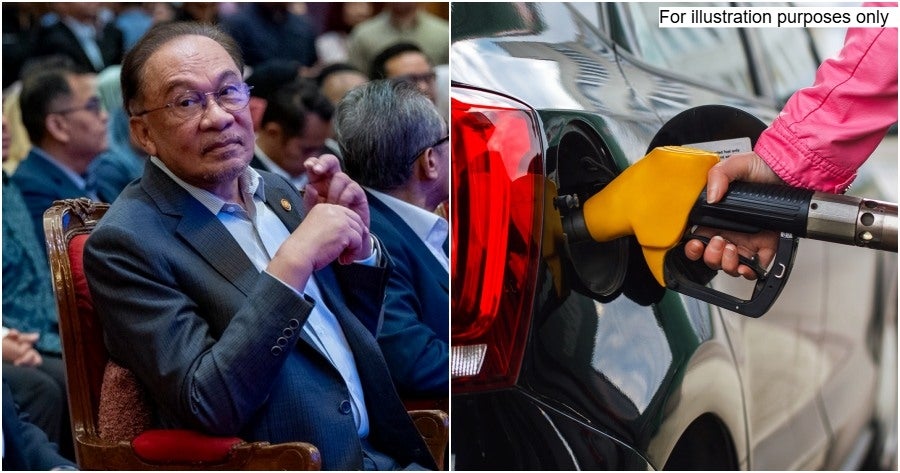
This fiscal buffer is precisely why many Malaysians continue to benefit from the BUDI MADANI RON95 (BUDI95) fuel subsidy. Under this programme, eligible citizens can still purchase RON95 petrol at RM1.99 per litre.
Tengku Zafrul, who currently serves as the Senior Political Advisor to the Prime Minister and Chairman of the Malaysian Investment Development Authority (MIDA), further explained that although the actual market price is significantly higher, targeted subsidies ensure that financial support reaches those who need it most while simultaneously reducing leakages.
While consumers in many other nations are forced to absorb the full cost of rising oil prices, Malaysians remain largely protected through this structured support system.
What do you think of Tengku Zafrul’s explanation? Share your thoughts with us in the comments.
Also read: PMX: Govt Working Hard to Maintain RON95 at RM1.99/Litre as Global Oil Prices Hit USD100/Barrel