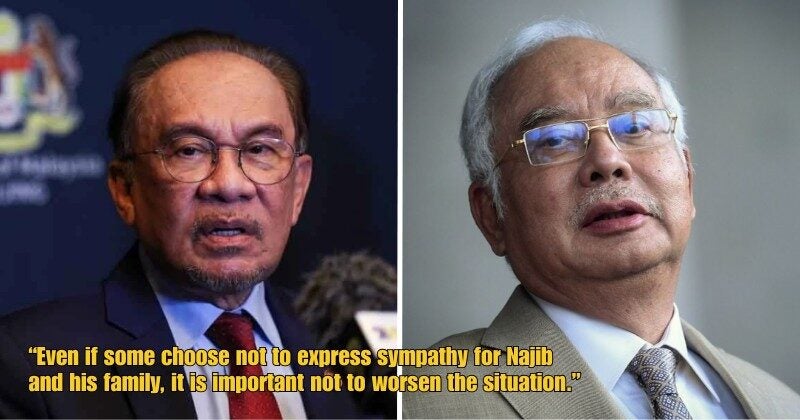
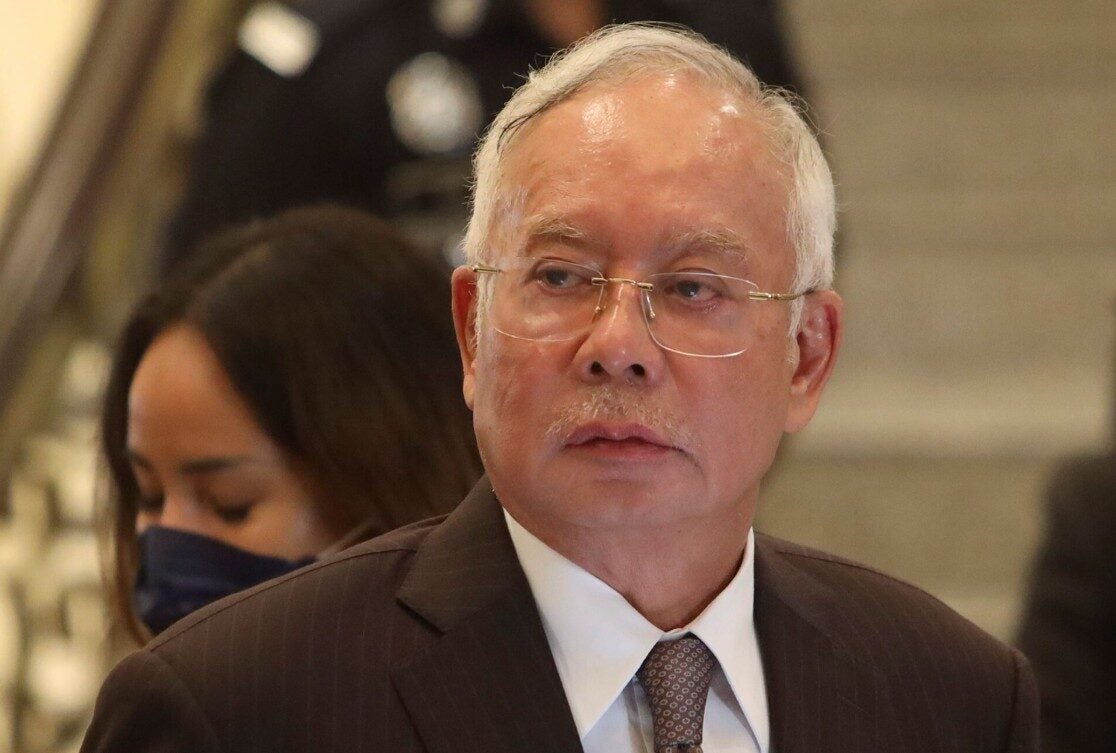
Yesterday (22 December), the Kuala Lumpur High Court dismissed Datuk Seri Najib Razak’s bid to serve the remainder of his prison sentence under house arrest.
Following Judge Alice Loke Yee Ching’s ruling yesterday, the former Prime Minister will continue serving his sentence in Kajang Prison until the full term is completed.
Datuk seri najib razak
Najib’s eldest son speaks out after his father’s house arrest request is denied
The existence of the ‘Titah Adendum‘ has sparked widespread discussion, especially after the High Court later ruled it legally insufficient.
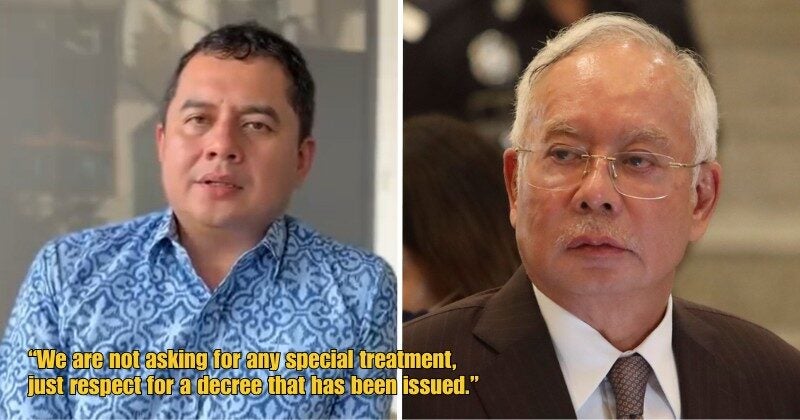
Following the ruling, Najib’s eldest son, Nizar Najib, took to Facebook to express his disappointment and share how the news affected him and his family.
“The decision is deeply disappointing and hurtful to our family, as the addendum order involving my father, Datuk Seri Najib Tun Razak, continues to be questioned and not properly implemented, as if a royal decree can be ignored without any sense of compassion or justice.”
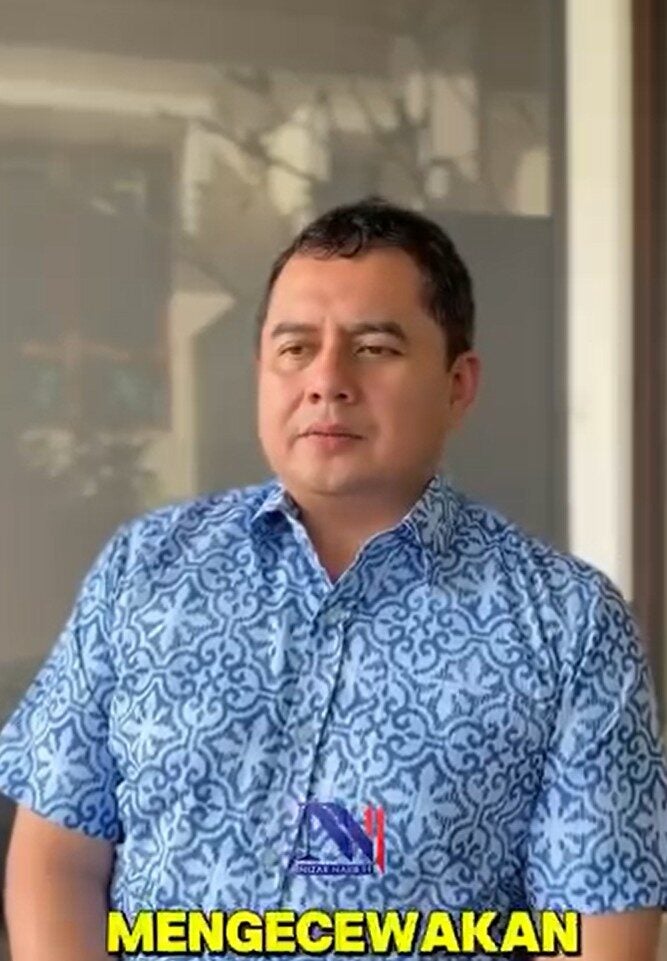
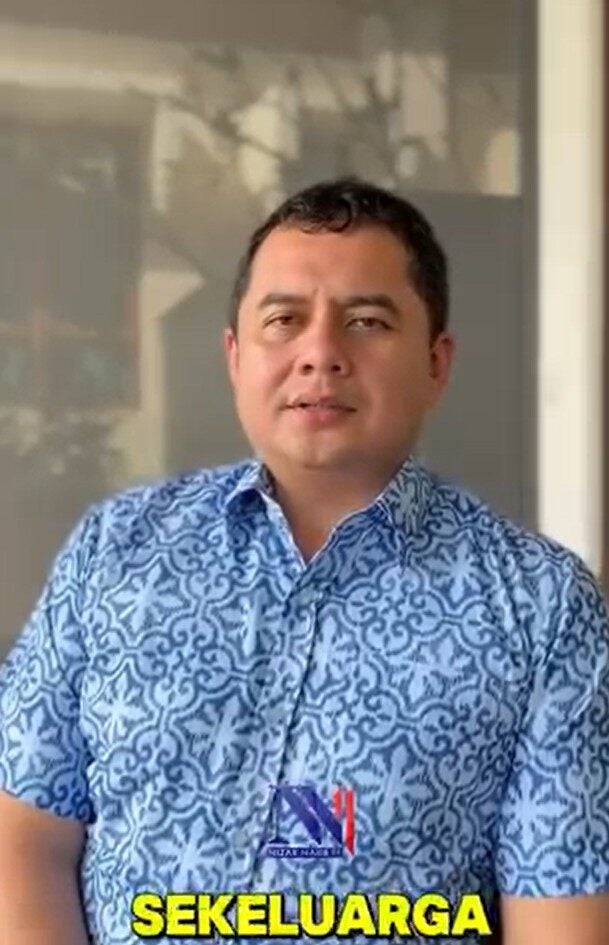
In a video, Nizar revealed that when he met his father before the hearing, Najib appeared cheerful and had already packed some of his belongings in prison, hoping for a favourable ruling to serve his sentence under house arrest.
“When I met my father, I saw that he looked cheerful in the morning, and he had already packed some of his things from where he was staying,” he said.
“I personally received the copy of the Titah Adendum from His Majesty the Sultan of Pahang himself, and the document does indeed exist.”
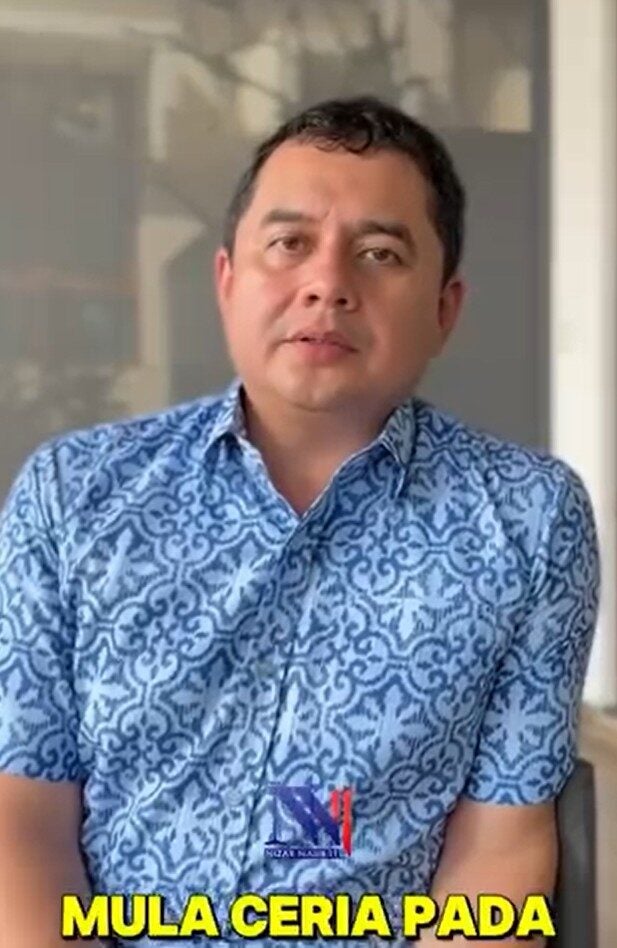
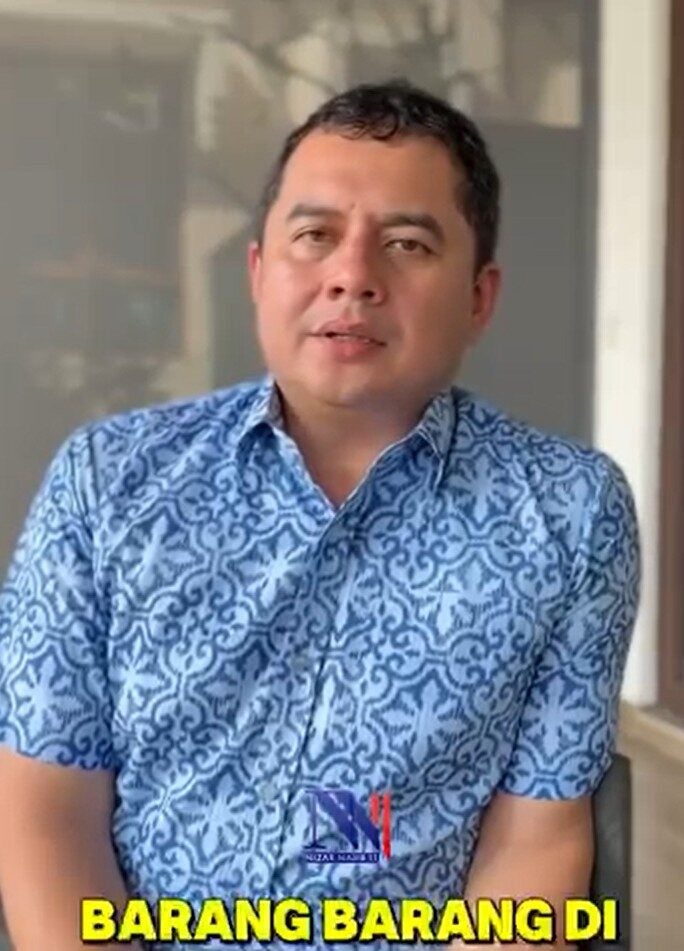
“Why was my father’s case handled differently?”
Nizar also pointed out that many people were angered by the fact that the Titah Adendum was initially hidden.
“The existence of the Titah Adendum was not recognised until my father’s lawyer filed a judicial review to compel the respondents to confirm whether it actually existed.
“When it was confirmed to exist, the High Court ruled that the Titah Adendum was invalid because the judge believed it should have been presented at a Pardons Board meeting,” Nizar explained.
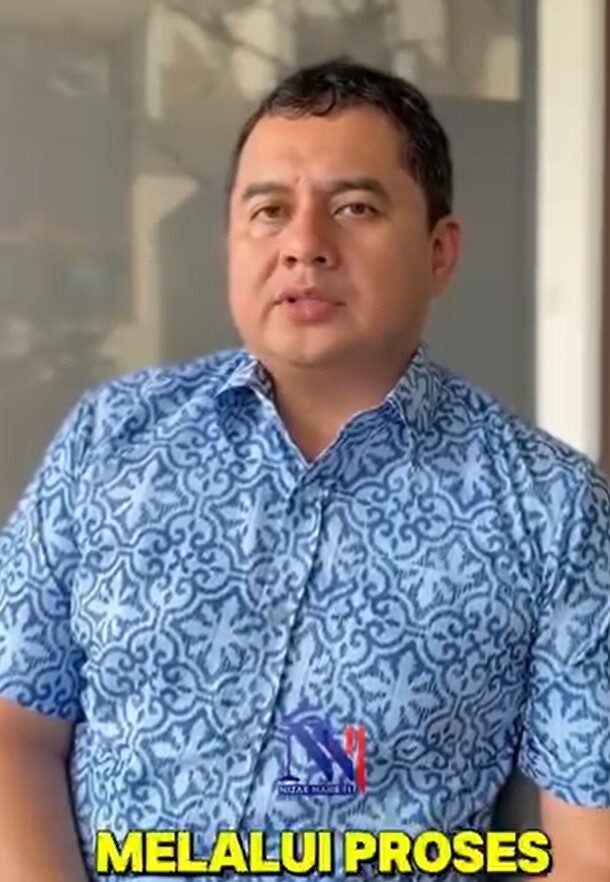
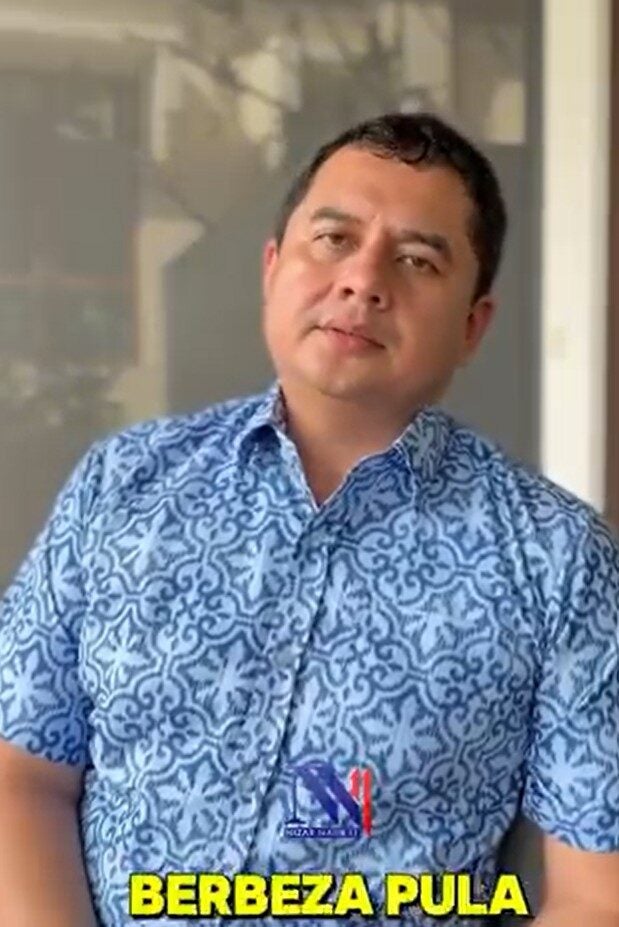
He further noted that for any case handled by the Pardons Board, past decisions would be reviewed to determine whether a particular pardon was processed through the proper channels.
“If other cases follow proper procedures, why was my father’s pardon handled differently?” Nizar questioned in the video.
“We are not asking for any special treatment, just respect for a decree that has been issued. We believe that truth and justice will not remain silent forever,” he wrote.
You can watch the full video below:
What are your thoughts on this? Let us know down in the comments!