If you have a friend who deliberately delays paying their debts, the following insights serve as a vital reference.
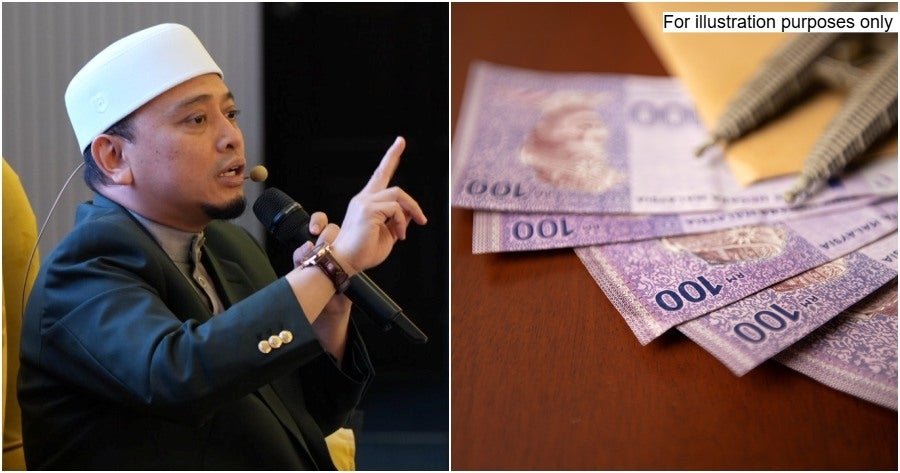
Malaysian preacher Ustaz Wadi Annuar recently shared a poignant reminder regarding the gravity of delaying debt repayment, stressing that such actions carry significant moral and spiritual consequences in Islam.

For illustration purposes only
An act of oppression and injustice
According to Ustaz Wadi, individuals who possess the means to settle their debts but intentionally choose to delay payment are committing an act of injustice.
This is based on a well-known hadith of the Prophet Muhammad, which states: “The delay in payment by a wealthy person is an oppression” (Reported by al-Bukhari and Muslim). Some scholars even categorise this act as a major sin, as it involves denying another person their rightful due.
Ustaz Wadi further explained that the soul of a believer remains “suspended” until their debts are fully repaid.
“This means that even if a person passes away as a believer, their spiritual state may remain unsettled until their financial obligations are resolved.”
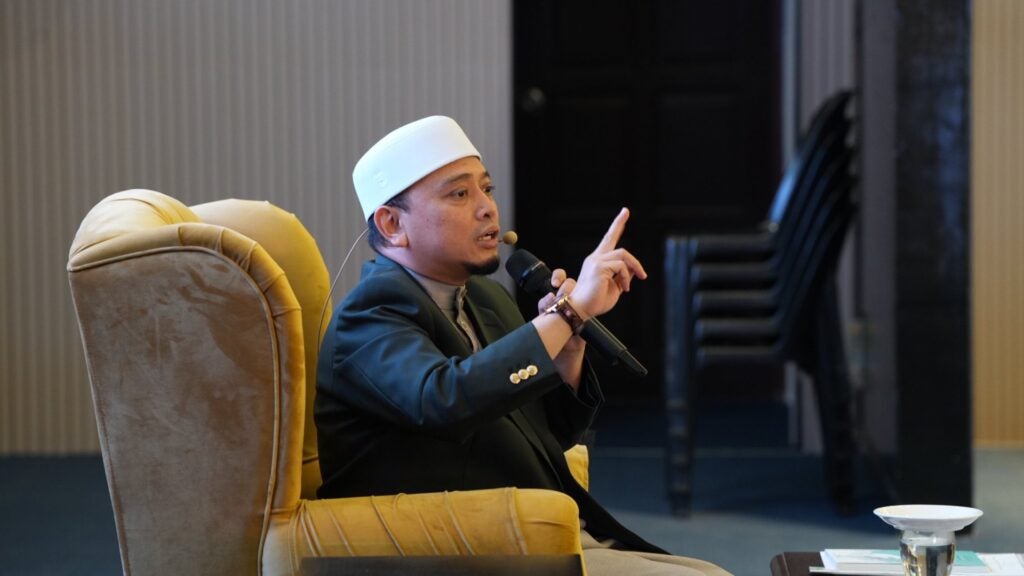
He clarified that this responsibility does not end with death. The heirs of the deceased are strongly encouraged to settle outstanding debts using the deceased’s estate or through their own contributions. Doing so helps to alleviate the burden on the deceased in the hereafter.
Compassion for the struggling
While the obligation to pay is absolute, Ustaz Wadi also highlighted that Islam promotes compassion and understanding. For creditors, it is highly encouraged to grant additional time if the debtor is genuinely facing financial hardship.
This principle is supported by the Quran (Surah al-Baqarah: 280), which calls on believers to show leniency and even consider forgiving debts as an act of charity.
Concluding his post on Threads, Ustaz Wadi reminded his followers that it is strictly Haram (forbidden) to delay debt payment when one has the capacity to pay.