
As of April 1, 2025, the COVID-19 virus has killed over 7 million people worldwide. As the world moves on from the virus, virologists in the US are warning of another potential pandemic.
With the H5N1 virus outbreak ongoing in the US, over 1,000 herds at dairy farms have been affected. At the time of writing (May 2), the virus has spread to all 50 US states, and at least 70 people have been affected by the virus, with one death reported.
What is H5N1, and does it affect humans?
H5N1 is a subtype of the Influenza A virus, also known as the avian flu or bird flu. According to the Centers for Disease Control and Prevention (CDC), several subtypes of the virus exist, but H5N1 is considered among the most dangerous due to its ability to cause severe illness in both birds and humans.

The first death from H5N1 in the US was reported in January, involving an elderly man in Louisiana who had pre-existing health problems and had contact with sick birds. As of now, no cases of human-to-human transmission have been recorded.
However, health experts are concerned that viral mutations could alter the situation
They explained that when two types of viruses infect the same host, an exchange of genetic material can occur, creating new strains that have the potential to spread among humans.
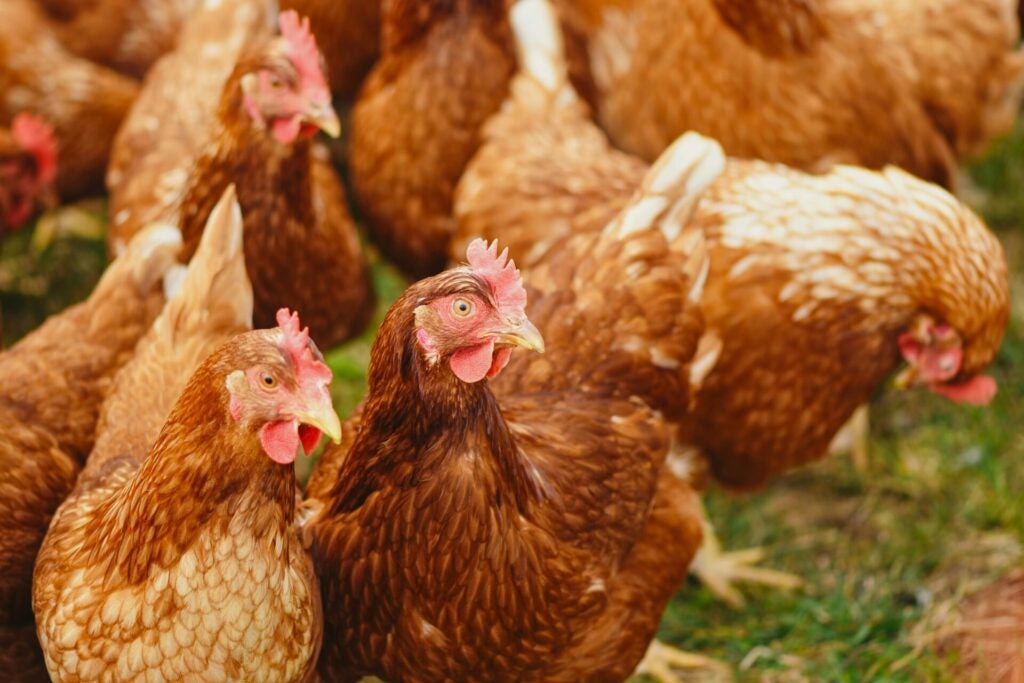
In birds, H5N1 is transmitted through saliva, nasal discharge, and faeces. Domestic poultry—chickens and turkeys in particular—are especially vulnerable. Migratory birds can spread the virus across continents, making containment difficult.
Humans typically become infected through direct or close contact with infected birds or droppings, often in live bird markets, farms, or while handling raw poultry, reported Business Standard.
The concerns elevated when domestic pets, such as cats and dogs, contracted the virus through raw meat and milk. Once infected, these household pets can also spread the virus via respiratory droplets, saliva, and faeces.
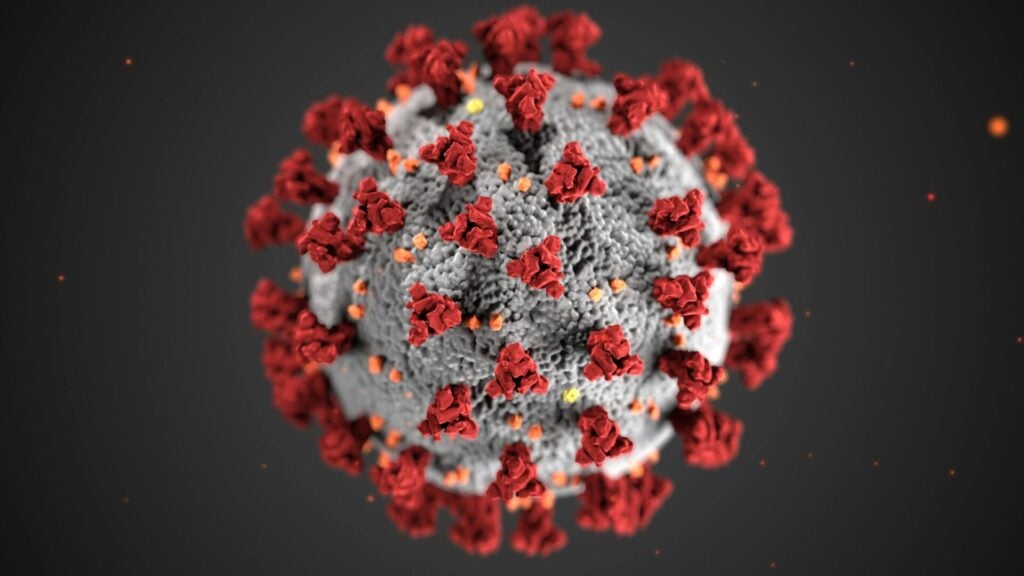
CDC, however, assured the public that the current public health risk is low. The symptoms of H5N1 in humans to look out for (just in case) include high fever, malaise, cough, sore throat, and muscle aches.
Is Malaysia safe from the virus?
Despite no deaths from the virus reported in Malaysia, the most recent infection took place in 2017 in Kelantan, according to the Malaysian Journal of Veterinary Research. Before the case in Kelantan, Malaysia experienced three waves of the H5N1 outbreak – in 2004, 2006, and 2007.
Regardless, a health expert in Malaysia last year warned that Malaysia is still at high risk of the H5N1 infection, reported Utusan.
As of now, the CDC urges individuals to take necessary precautions, particularly for at-risk individuals who are close to infected animals, like dairy and poultry workers.
Doctors may prescribe Oseltamivir (Tamiflu) or Zanamivir (Relenza) to slow virus replication. These work best when taken within 48 hours of symptom onset. There is no cure for the bird flu at the time being.