Publishing research output is an essential part of academic life. More than just a benchmark, it enables scholars to share their discoveries with the global research community, deepen understanding in their area of study, secure funding, and progress in their careers.
For many Malaysian academics, the journey from research ideas to published papers can be overwhelming. This is especially true if they are up against restricted access to other data and research, combined with the pressure to meet funding deadlines.
Enter open-access, where research is freely available online without paywalls to anyone with an internet connection. Open-access is a quiet but necessary shift away from paywalls toward a more equitable way in which research is shared and read.
This is especially important as Malaysia intensifies its focus on becoming a regional research and innovation hub. With five universities ranked among the global top 200 and 11 subjects ranked in the global top 50, the country is gaining recognition for its growing academic strength and increasing impact on the global research landscape.
Furthermore, the tabling of Budget 2025 marked a significant milestone for the education sector with increased government investment in artificial intelligence, research and talent development. Greater expectations have been put on the academic community to ensure that research outcomes are produced, shared openly and recognised globally.
The Pivotal Role Open-Access Plays
In today’s research landscape, who sees your work can matter just as much as what you publish. Open-access journals provide a vital pathway for academics to expand the reach and relevance of their research by enabling them to:
- Share their findings without paywalls (make their research freely accessible to anyone online, without requiring readers to pay or have a subscription).
- Retain copyright through open licenses (such as the CC-BY license), ensuring authors keep ownership of their work while allowing others to reuse it with proper attribution.
- Ensure their work is widely seen and referenced by other researchers, which can enhance their academic reputation and impact.
- Reach both scholarly and non-academic audiences, connecting beyond fellow academics but also with policymakers, industry professionals, and the general public who may benefit from their research.
- Support AI-driven synthesis and discovery, as content that is freely available online can be more easily accessed, analysed, and summarised by large language models (LLMs), unlike subscription-based materials, which are often restricted behind paywalls.
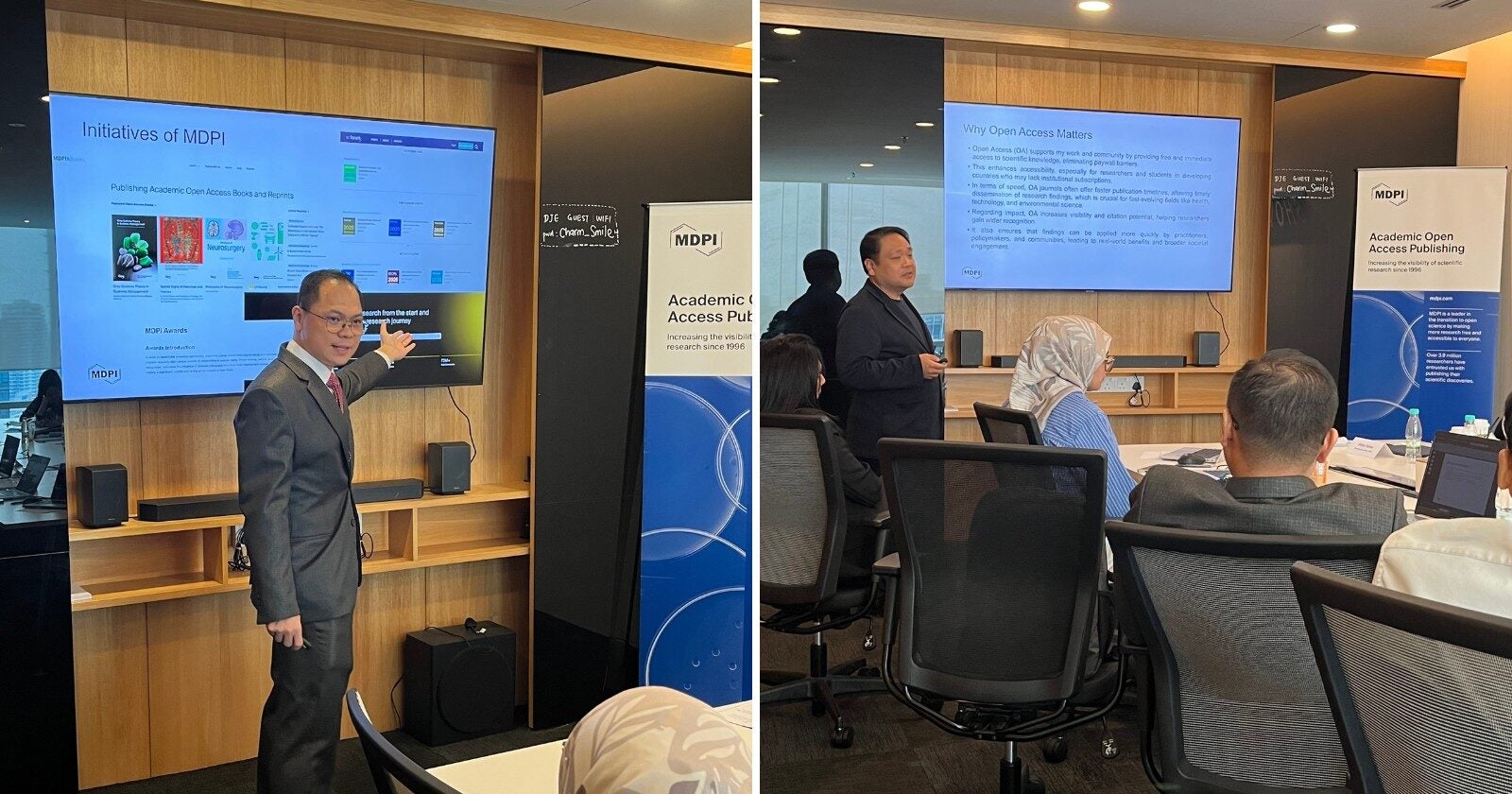
One of the leading advocates of this movement is MDPI, the world’s largest fully open-access publisher. With more than 470 journals across all scientific disciplines, MDPI has helped over 4.2 million researchers worldwide publish their work in formats that are freely accessible to anyone with an internet connection.
For Malaysian researchers, this shift opens up opportunities for more meaningful research translation. Associate Professor Lee Seong Wei, Faculty of Agro-Based Industry, Universiti Malaysia Kelantan, shares, “In today’s fast-moving research landscape, timeliness is a necessity. When there are delays in publication, the relevance of data can become outdated. The speed delivered through open-access ensures that research remains impactful, current, and relevant to the needs of the scientific community. With open-access channels such as MDPI, speed and rigour are not mutually exclusive, providing a much-needed advantage to the academic community.”
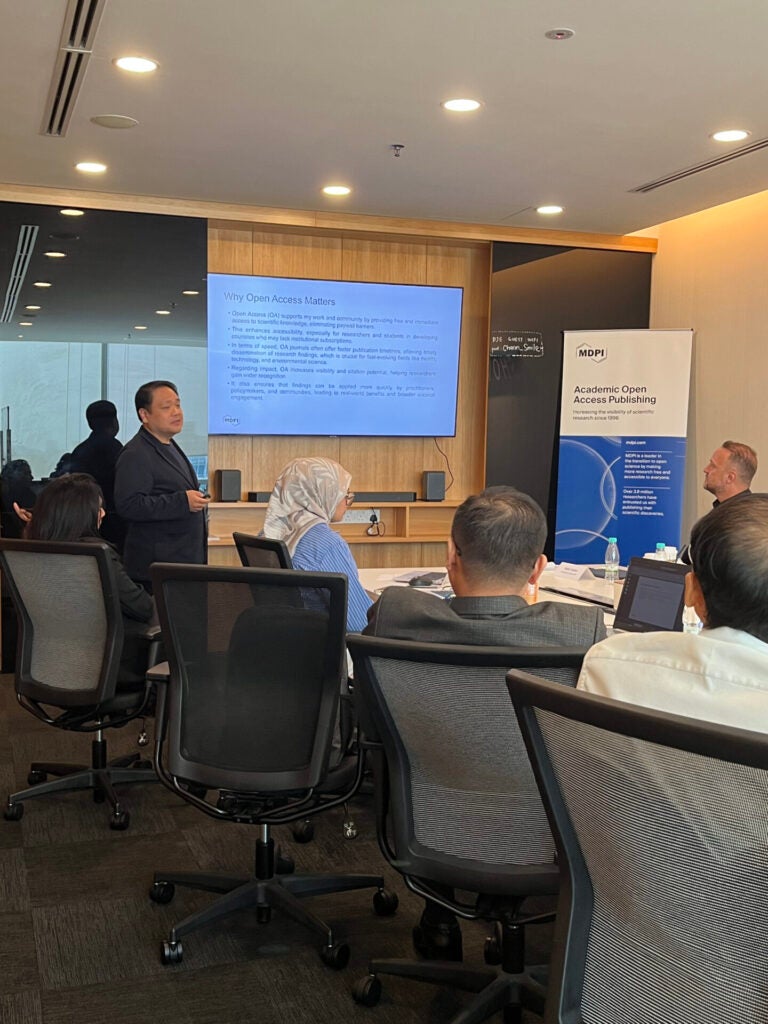
“I Didn’t Want My Work Stuck Behind a Paywall”
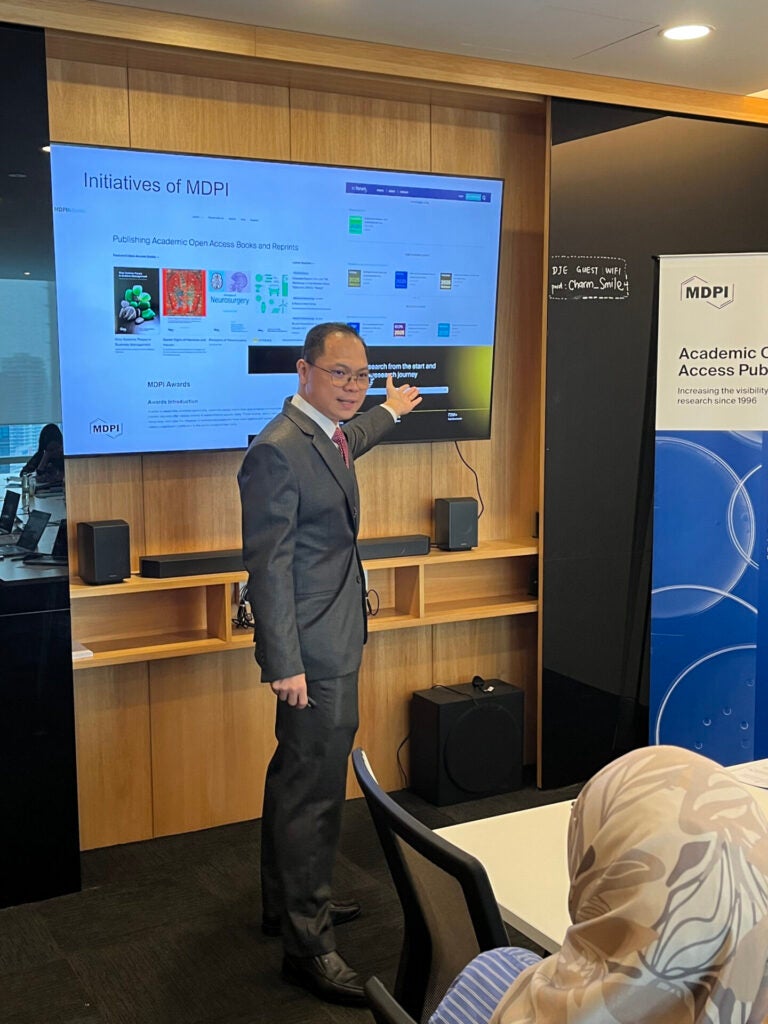
Open-access also helps widen the reach of locally produced research, increasing the visibility of Malaysian papers to a global audience and allowing their contributions to be part of international academic conversations.
For students, open-access means immediate access to the latest findings without the barrier of expensive journal subscriptions. For institutions, it contributes to global visibility and strengthens their position in academic rankings and collaborations.
Professor Ir. Denny K. S. Ng, Faculty of Engineering and Technology, Sunway University, who publishes a lot in various international refereed journals on Process System Engineering, shares, “As a researcher myself, I would like my findings to be accessible by all researchers globally. Researchers wish for our work to inform action across government, industry, education, and society. When research is openly accessible, it has the power to shape better policies, drive innovation, and empower communities.
“While publishing open-access often means relinquishing some control over the copyright, I believe that’s a necessary step toward a more equitable knowledge ecosystem. When research is openly shared, without barriers, it has the power to reach further and drive progress. For example, during the COVID-19 period, all the research outputs were shared publicly. This provides the opportunity for all researchers to work together and develop a vaccine for the world. Thus, open access is able to give equal opportunity to all researchers to access the latest research outputs.”
Open-access Doesn’t Mean Easy
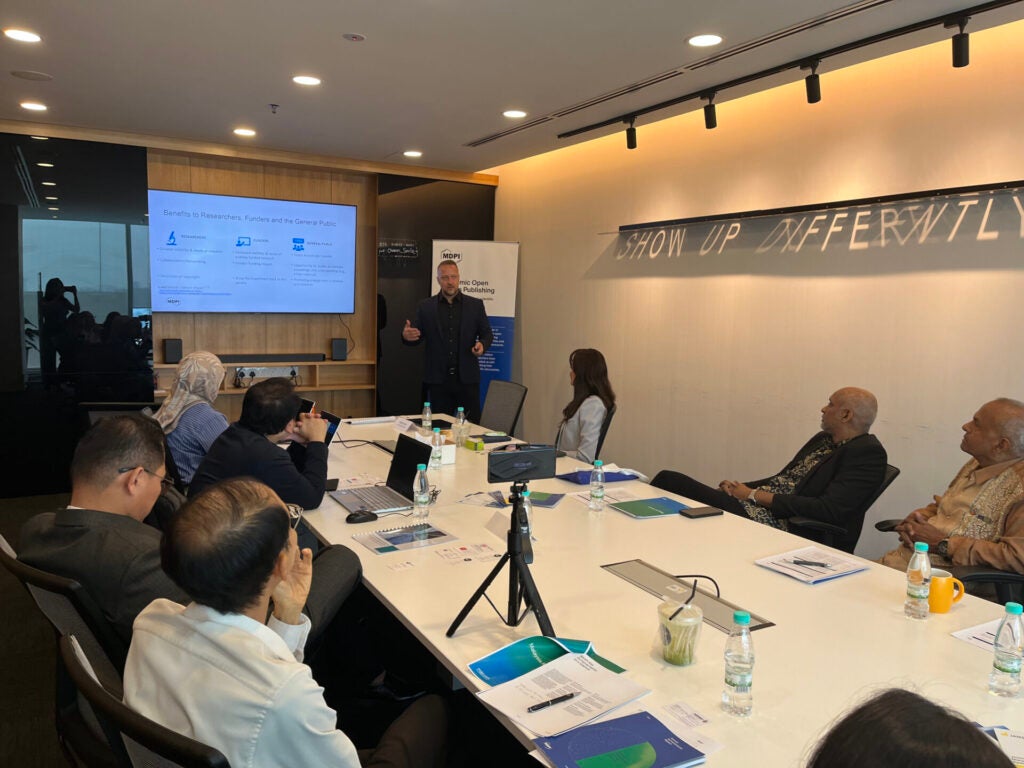
One common concern about open-access is the perception that it prioritises speed over scrutiny. But to understand this, it’s essential first to consider how academic publishing works.
When a researcher completes a study and writes a paper, the paper is submitted to an academic journal. It undergoes a process called peer review, in which other experts in the same field evaluate the scientific accuracy, originality, and quality. This step is crucial for maintaining scientific credibility, but it can also be lengthy and complex.
Some worry that open-access platforms, which often promote faster publication timelines, may compromise this rigorous review process in favour of speed. However, leading publishers are actively working to challenge that assumption. MDPI is one example. Since its inception in 1996, MDPI has implemented a thorough peer-review process for all journals in its portfolio, supported by detailed editorial checks.
In 2024, it tripled its Research Integrity Team, adopted AI-assisted editorial checks and maintained a 60% rejection rate across nearly 600,000 submissions, reinforcing that speed and quality don’t have to be mutually exclusive.
“What stood out about publishing with MDPI was how easy yet balanced the process was. The fast yet constructive peer review gave me confidence to publish openly so all researchers could access my work. The peer review was fast, yes, but the feedback was thoughtful and helped improve the paper in meaningful ways. It didn’t feel rushed; it felt intentional. That gave me confidence in the quality of the journal,” shared Professor Dr. Mohd Talib Latif, Faculty of Science and Technology, Universiti Kebangsaan Malaysia.
MDPI also adheres to the highest standards of research integrity, as a member of the Committee on Publication Ethics (COPE).
The Bigger Picture: Accountability Meets Accessibility
As Malaysia reviews its Malaysian Education Blueprint (Higher Education), two goals stand out: increasing global research visibility and ensuring public funds deliver meaningful outcomes.
Open-access alone may not resolve every challenge in academic publishing. Still, it remains a vital part of the solution, particularly when integrated with rigorous project evaluation, ethical publishing standards, and platforms that actively support researcher development.
In the end, making research accessible isn’t just about reach. It’s about making sure the work being done and paid for actually moves the needle, both at home and beyond.
Also read: Eleven Years of Excellence: Sunway College Students Soar with Cambridge Success