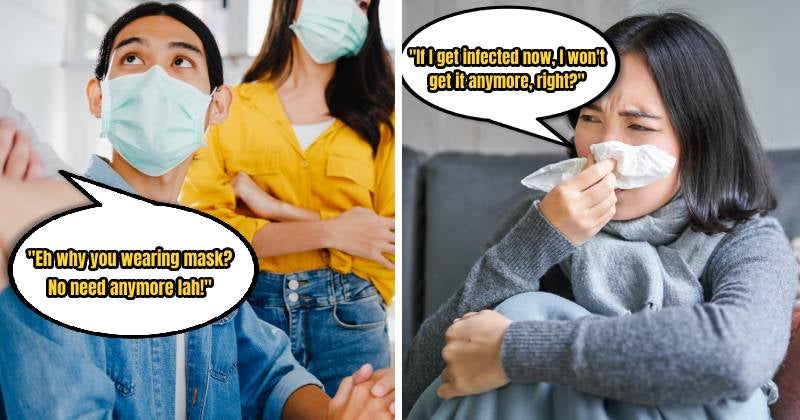
The past few years have taught us a lot about personal health and safety due to the COVID-19 pandemic. That being said, the influx of information also comes with the spread of misinformation, making it difficult to filter out falsehoods from facts. To keep yourself informed and safeguarded in a post-pandemic world, let’s tackle some of the most common COVID-19 myths and reveal the facts behind them.
Myth 1: “Vaccinated? No need to worry!”

Fact: While vaccines DO reduce risks such as severe illness, hospitalisation and death, they do not completely eliminate the risk of contracting or transmitting the virus. [1] There is a chance that vaccinated individuals can still get infected, especially with new variants. Hence, maintaining precautions like wearing masks in crowded spaces and practising good hygiene remains important.
Speaking of masks…
Myth 2: “Tak payah wear masks anymore lah!”

Fact: While mask mandates have been lifted in most places, masks remain effective in reducing transmission, particularly in crowded or poorly ventilated areas. [2] Plus, it’s highly recommended that you wear masks if you feel unwell, are experiencing symptoms of COVID-19 or come into contact with high-risk individuals.
Myth 3: “I’m still young and healthy, COVID-19 won’t affect me lah!”

Fact: COVID-19 can affect anyone, regardless of age or health status. [3] While older adults and those with underlying health issues are considered high-risk individuals potentially facing severe outcomes, young and healthy individuals can also experience serious complications from contracting the virus, including long COVID — a condition with symptoms that persist for weeks or even months. Thus, it’s important to acknowledge that anyone could be at risk and emphasise universal precautions.
Myth 4: “Once kena COVID-19 then got lifetime immunity!”
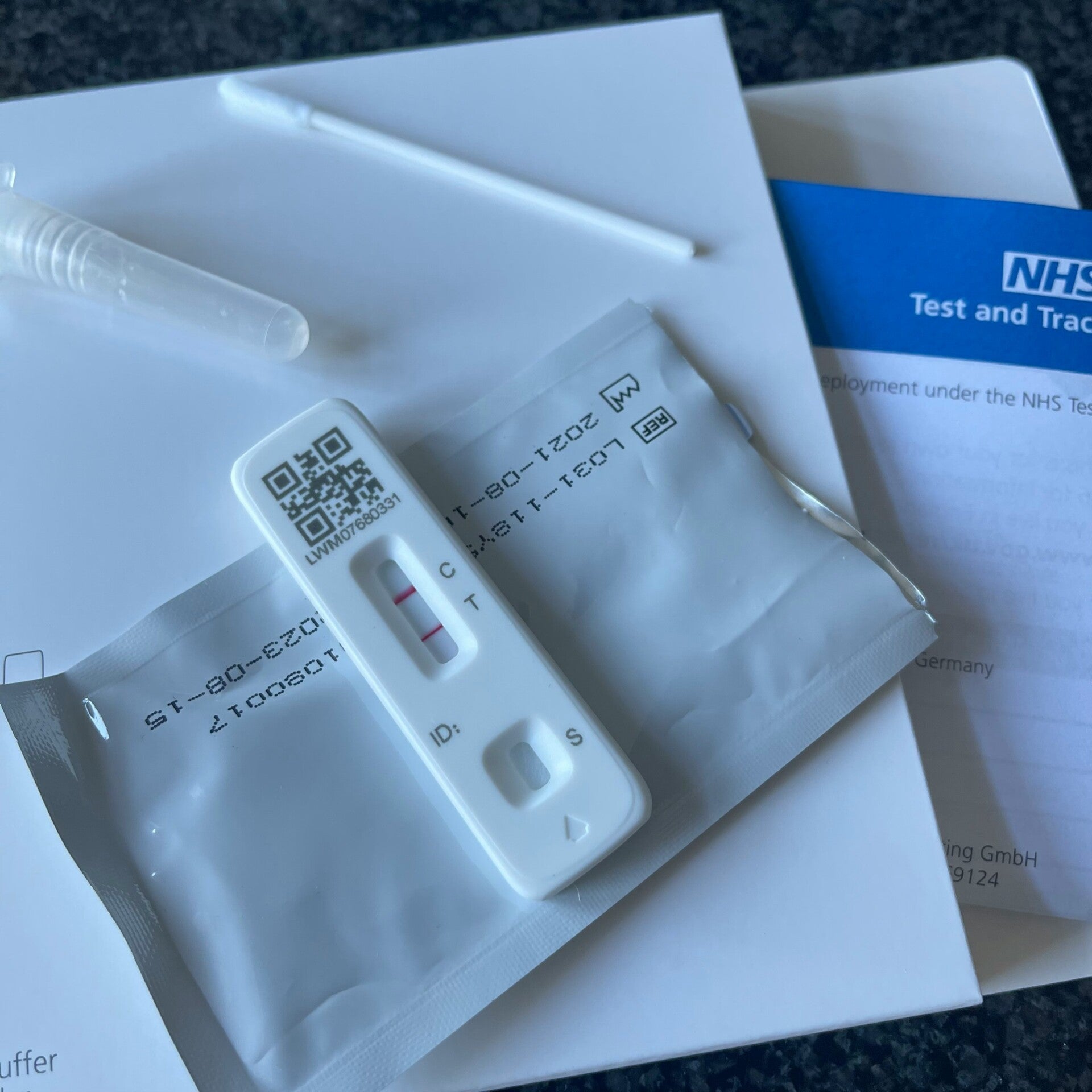
Fact: While recovering from COVID-19 does provide some level of natural immunity, this immunity can decrease over time and may not be effective against new variants. [4] To add, studies have shown that natural immunity can vary widely among individuals and might not be sufficient to protect against reinfection. Therefore, staying up-to-date with vaccinations and boosters is the best way to stay protected against evolving strains of the virus.
Myth 5: “Fewer reported COVID-19 cases mean it’s safer!”

Fact: A decrease in reported cases doesn’t necessarily mean COVID-19 is gone. Many infections go unreported due to reduced testing, at-home test kits and overall pandemic fatigue. [5] Additionally, asymptomatic individuals can unknowingly spread the virus, which leaves the possibility for underreported numbers. We should always remain vigilant and consider local transmission rates and health authority guidance instead of just referring to case numbers.
Always be vigilant with signs and symptoms!

With these facts in mind, it’s crucial that you properly keep yourself and your family informed about COVID-19, which remains prevalent to this day. As with any other sickness and infection, prevention is better than cure, so make sure to take any preventive measures, such as taking tests and consulting a medical expert, as soon as any symptoms arise.
If you want to know more about how to protect yourself from the risk of COVID-19, visit www.knowplango.my.
The information provided is for educational and communication purposes only and it should not be construed as personal medical advice. Information published in this article is not intended to replace, supplant or augment a consultation with a health professional regarding the reader’s own medical care. All images used in this article is for representation purposes only.
References:
- World Health Organization. Coronavirus disease (COVID-19). Updated 9 August 2023. https://www.who.int/news-room/fact- sheets/detail/coronavirus-disease-(covid-19). Accessed 11 March 2025.
- Centers for Disease Control and Prevention. Masks and respiratory virus prevention. Updated 8 May 2024. https://www.cdc.gov/respiratory-viruses/prevention/masks.html
- Northwestern Medicine. Long COVID-19 hits young adults harder. Published December 2024. https://www.nm.org/healthbeat/medical-advances/science-and-research/long-covid-19-hits-young-adults-harder
- Livieratos A, et al. Viruses. 2024;16(5):685.
- Devkota JU. J Environ Public Health. 2022;2022(1):3276583.
*Images for representation purposes only.