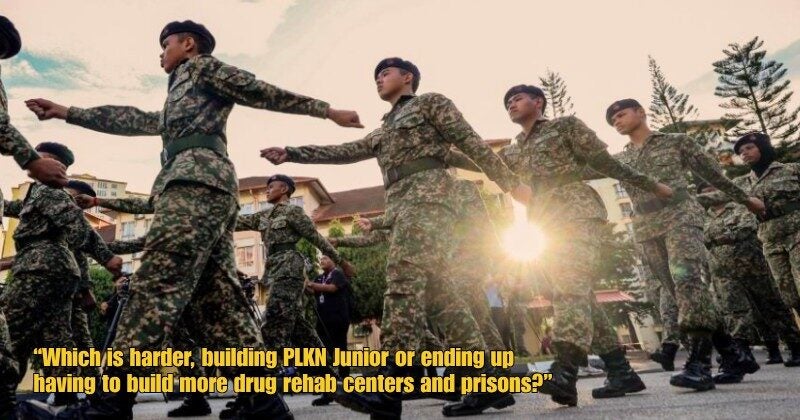
Education expert Dr Anuar Ahmad from Universiti Kebangsaan Malaysia (UKM) has called on the Government to introduce a Junior National Service Training Programme (PLKN Junior) to help rehabilitate students with disciplinary problems in schools.
The lecturer noted that traditional methods like lectures, scolding, or suspensions are no longer effective in dealing with student misbehaviour.
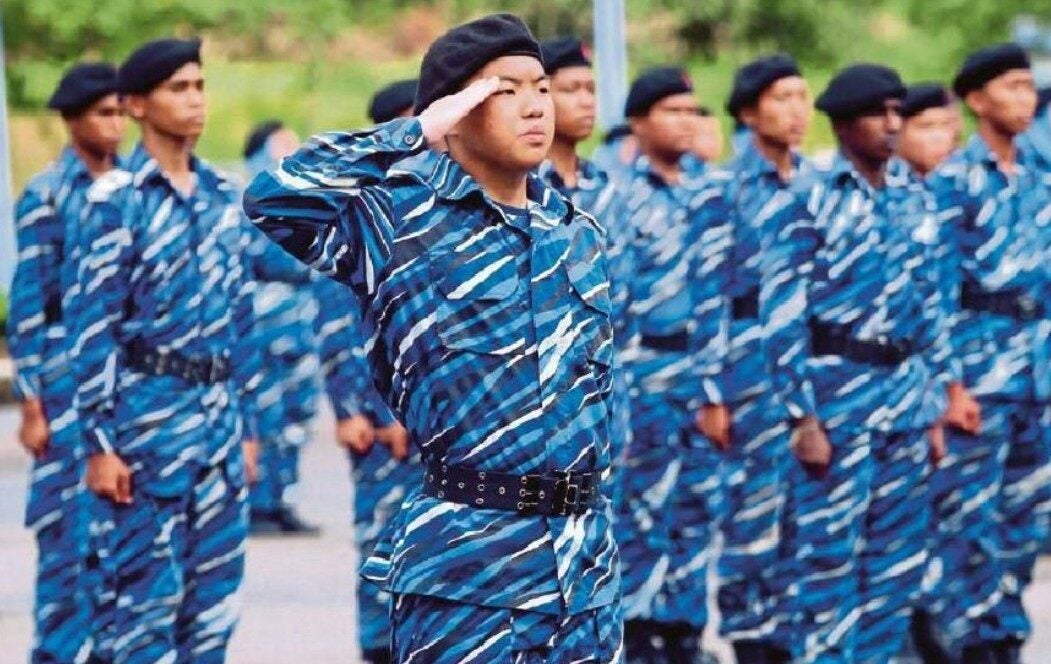
“Let them spend three months in PLKN Junior camps”
According to Sinar Harian, Dr Anuar said PLKN Junior could be a dedicated platform to rebuild the character of high-risk students (especially those who have not improved through regular school counseling or intervention programmes) rather than relying solely on warnings or punishments.
He suggested that these students be enrolled in PLKN Junior camps for three months to undergo intensive personal development and discipline training.
“The Government should set up PLKN Junior camps for students whose misconduct stems from indiscipline, defying teachers, or breaking school rules. Let them spend three months there to rebuild their character, polish their potential, and help them realise their own abilities,” he said.
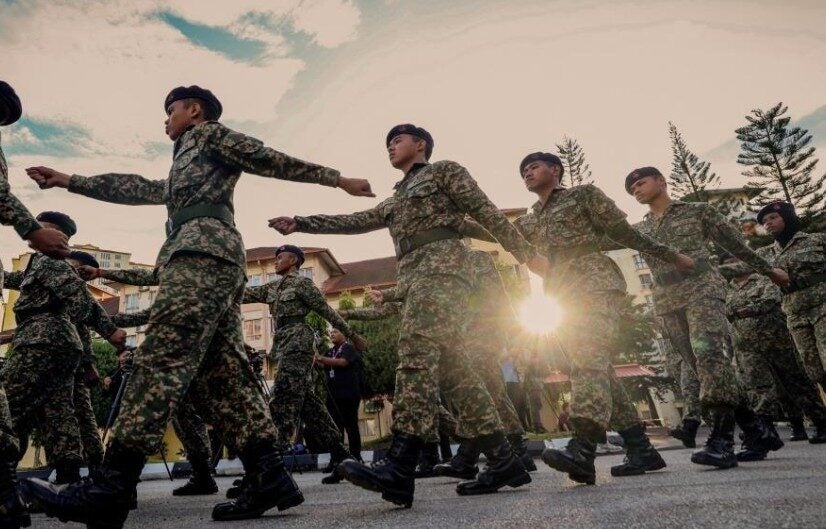
He also suggested that students in the programme continue their studies under the guidance of experienced retired teachers so they don’t fall behind academically while working on their discipline and character.
He added that the programme should incorporate physical training to strengthen stamina, endurance, and fitness, while restricting access to social media and video games to help students regain self-discipline.
“Yes, it’ll be tough and will require funds. But which is harder, building PLKN Junior or ending up having to build more drug rehab centers and prisons? What’s important now is to change our approach. We need to be bolder if we truly want to save these students’ futures,” he said.
Studies found that student misconduct often comes from poverty
Dr Anuar went on to say that various studies show student misconduct often stems from multiple factors, not just one.
Among them are poverty-related stress, parental neglect, negative influence of social media and excessive gaming, and strong peer pressure.
“Some students misbehave because they come from poor families. Others because their parents lack moral or religious guidance. Some are influenced by social media and gaming to the point their thinking is distorted, while others fall into bad habits due to peer pressure,” he explained.
And for those reasons, Dr Anuar pointed out that solutions shouldn’t be one-size-fits-all but should address the root cause of each problem.