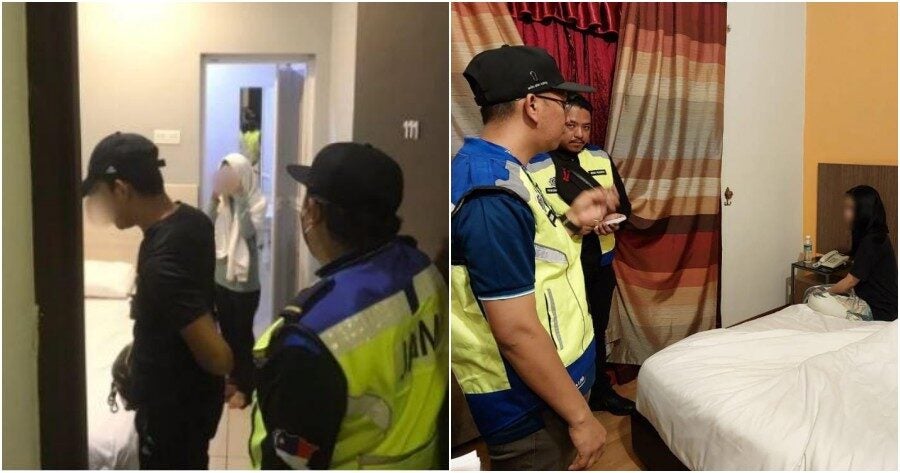
We know that Muslim couples caught for khalwat will receive fines, and in a worst-case scenario, a jail term. The punishments are set based on the Syariah laws in Malaysia, but first, what exactly is khalwat?
Khalwat means being in a close proximity or cohabiting in a private setting while not married to an opposite sex who is not a Mahram (an individual with whom marriage is permanently prohibited due to a close familial relationship).
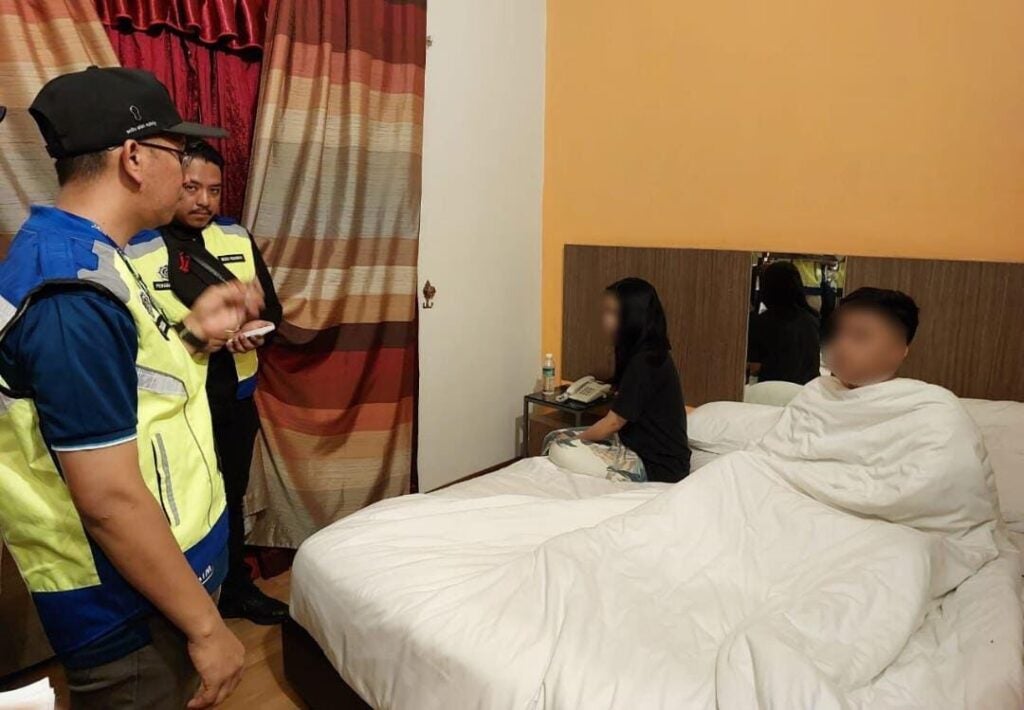
Punishment for khalwat varies by state in Malaysia
Simply put, if an unmarried couple spend the night in a hotel room, they can be caught for khalwat and will be subjected to Syariah laws. The offence of khalwat is governed by the respective state Syariah laws, which operate in parallel to Malaysia’s secular legal system.
Do keep in mind that Syariah laws ONLY apply to Muslims, and the penalties vary by state. Typically, these include (but are not limited to):
- Up to 6 strokes of the cane
- Not more than RM5,000 fine
- Not more than 3 years of jail term
For instance, Section 29 of the Syariah Criminal Offences (Selangor) Enactment 1995 states that any man or woman who commits khalwat may be punished with a fine not exceeding RM3,000 or imprisonment for a term not exceeding 2 years, or both.
In every state, the khalwat raids are conducted by the respective religious departments, based on complaints or information received. For example, in Selangor, it’s the Selangor Islamic Religious Department (JAIS).
The couple who is caught for the offence is taken to the religious office for further investigation, and sentencing will be delivered by a Syariah judge based on evidence and confession.

In most cases, couples who are caught for khalwat for the first time will only receive fines, and caning only takes place when it involves a repeated offender. In a Syariah case that took place in Terengganu in February 2024, for instance, a construction worker received 4 strokes of the cane and a RM3,000 fine as it was his second conviction of khalwat.
Another case in Terengganu, which occurred in December 2024, involved Mohd Affendi Awang, aged 42, who was publicly caned six times and received a RM4,000 fine for his third khalwat conviction. The caning was done at a mosque following Friday prayers, marking an escalation in enforcement as per the amended Syariah Criminal Offences (Takzir) Enactment 2022 in Terengganu.
The closest comparable criminal law offences to khalwat, which Muslims and non-Muslims are subject to
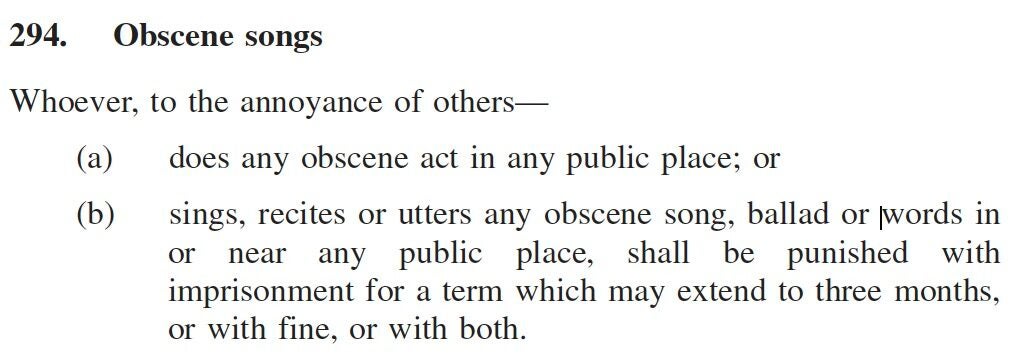
While khalwat is only applicable to Muslims, one of the closest comparable criminal law offences to khalwat applies to both Muslims and non-Muslims in Malaysia, which is Section 294(a) of the Penal Code for performing any obscene act in any public place.
Those convicted of this offence may face a jail term of up to 3 months or a fine, or both.
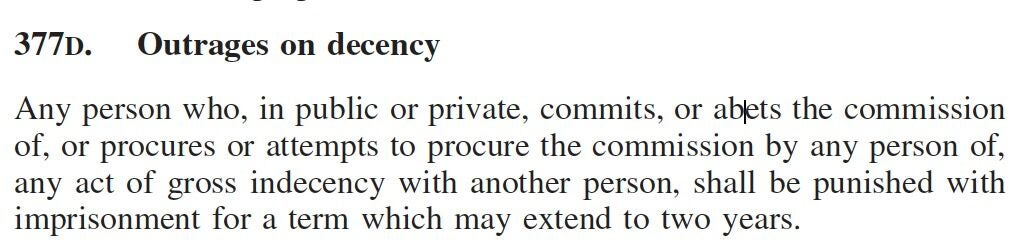
Another criminal law offence that could be compared to khalwat is Section 377D of the Penal Code for outrages on decency. However, unlike Section 294(a) of the Penal Code, Section 377D requires proof of an actual act of “gross indecency” or a carnal connection taking place.
If found guilty, offenders can be jailed for up to 2 years.
One notable case of a couple being charged with Section 377D was the case of a couple in Johor Bahru who were caught behaving indecently inside a Perodua Axia in 2023.

If a non-Muslim couple is in a hotel room, authorities cannot charge them with any offence unless they are engaged in sex work. For the latter, Sections 372 (exploiting any person for the purposes of prostitution), 372A (persons living on or trading in prostitution) and 372B (Soliciting for the purpose of prostitution) of the Penal Code may apply.
If a non-Muslim is caught with a Muslim partner, the Muslim can be charged under Syariah law, and the non-Muslim may be investigated under criminal law depending on circumstances.