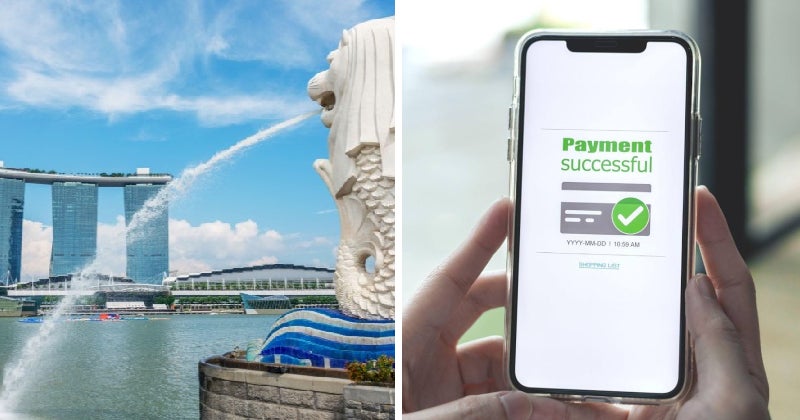
Ever sent money overseas and had it arrive almost instantly? Or paid for something with just a tap on your phone? There’s a good chance a system built in Singapore made that possible.
Despite its size, this city is quietly becoming a major force behind money movements across Southeast Asia, and most people don’t even realise it.
Why global fintech players keep choosing this city

Singapore isn’t just another financial centre — it’s where new financial ideas are tested, refined, and rolled out before spreading into the rest of the region.
Companies are drawn to its stable economy, clear rules, and a population that’s already comfortable with digital payments and banking apps. That makes launching something new much smoother than in many other markets.
The real advantage Singapore has is that its regulations are designed to support innovation. Instead of slowing things down, their regulator actively helps new ideas to grow.
Through regulatory sandboxes, startups can test services in a controlled environment before going fully live. Add funding support and strong partnerships, and you get a system that encourages innovation without letting risks spiral. It’s a balance many countries are still trying to figure out.
You’ve probably already felt the difference. Splitting a bill instantly, paying a seller in another country without delays, or sending money home with fewer fees are all easier processes than they used to be. And it’s not a coincidence that your payment apps work seamlessly when you travel across Southeast Asia. A lot of that convenience is first built and tested in Singapore before spreading across the region.
The sectors pushing things forward

So what’s actually driving all this growth? Digital payments are leading the way, alongside fully online banks that don’t rely on physical branches. Blockchain technology is also gaining traction, especially in areas like secure transactions and faster transfers. Put simply, the goal is to make moving money quicker, easier, and less dependent on borders.
Here’s the part most people don’t realise: Singapore’s local market is relatively small, but that’s exactly why companies don’t stay there for long. Once something is proven to work, it expands quickly into places like Indonesia, Vietnam, and Thailand, where millions of new users are coming online financially.
For a small country, that’s a pretty big influence.
Why does trust play such a big role?

When money is involved, trust isn’t optional.
Strict compliance standards, clear licensing, and strong safeguards have helped build confidence among users and investors alike. In a region where financial systems can vary widely, that consistency stands out. It’s also one of the key reasons new services gain traction faster here.
Of course, it’s not all smooth sailing. Innovation means that tech evolves quickly, but regulators need to be careful not to let things get out of hand. Crypto, for example, is still part of the ecosystem, but under tighter scrutiny following global volatility.
Maintaining this balance might slow things slightly, but it also helps avoid bigger problems down the line.
Currency flows meet trading activity

As money moves more freely across borders, currency exchange becomes a bigger part of everyday transactions. Many platforms based in Singapore support forex trading, helping users and businesses convert currencies more efficiently when dealing across different countries. In a region where multiple currencies are used daily, exchange rates can directly affect how much value people receive, which makes this an important piece of the bigger picture.
But it doesn’t stop with one country. What’s built here often connects a much wider network across Southeast Asia. Payment systems are becoming more seamless between countries, making it easier to work, travel, and send money easily.
This small city will keep influencing your daily life
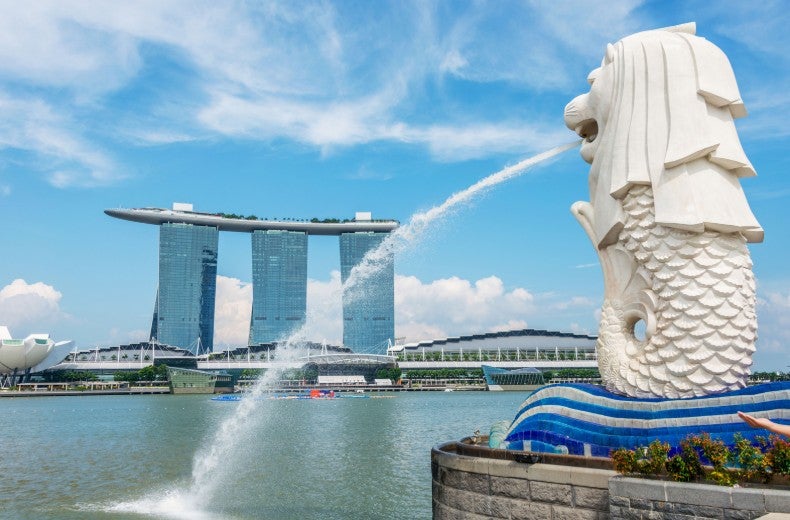
Singapore might be tiny on the map, but when it comes to how money moves across Southeast Asia, it’s pulling serious weight.
From the way you split bills to how businesses send payments across borders, a lot of those everyday moments are shaped behind the scenes by what’s built here. And as more of ASEAN goes digital, that influence is only going to grow.
So the next time a payment goes through faster than expected, there’s a good chance this small city had something to do with it.
Also read: Weekend Trips to Singapore Are Reshaping How Malaysians Spend Across the Border