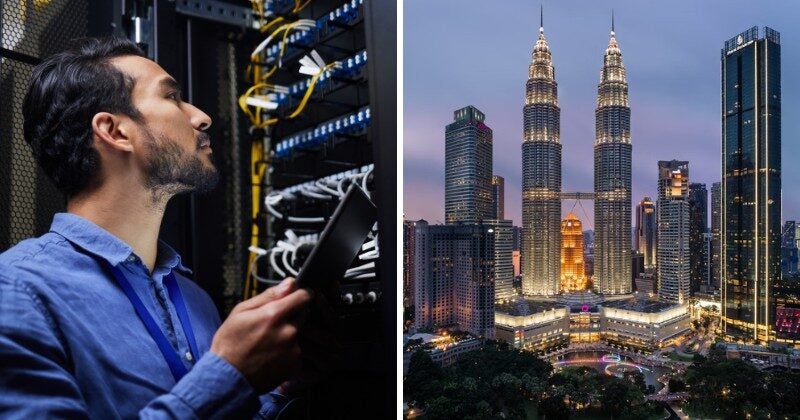
Malaysia’s ambition to become the next regional database centre faced serious obstacles due to elevated electricity tariffs. This significant increase has forced operators to re-evaluate costs and plans for future investments.
Starting July 1, a revised pricing system is expected to increase power bills for large consumers, including data centres, before taking into account the unpredictable monthly fuel surcharges.
The new tariffs are projected to raise electricity bills by 10% to 14%, adding significant pressure to operating budgets.
A Top Regional Choice For Tech Giants

Malaysia offers very low electricity rates, making it an attractive destination for tech giants like Google, Microsoft, and Equinix. Since electricity is one of the largest operating expenses for data centres, these companies have invested billions in the country.
This investment positioned Malaysia as a leading choice in the region, especially compared to neighboring countries like Singapore.
Additionally, a combination of a reliable power grid, attractive pricing, and abundant land supply has helped establish it as a top destination for data centre investment in the region.
Confusion Over Tiered Pricing Structure
The new tariff structure was announced in December 2024 and recently explained, catching many in the industry off guard. Industry insiders were mostly confused about the tiered pricing system, which will categorise users into bands based on voltage usage.
That means that the largest-scale facilities will fall into the “ultra-high voltage” category, which is the most expensive tier.
Gary Goh, the founder and director of the data centre advisory firm Sprint DC Consulting, explained that for a 100-megawatt (MW) facility, the annual cost will increase by an additional $15 million to $20 million, not including the monthly fuel surcharge.
The surcharge, which varies each month based on fuel prices and foreign exchange, is currently set at zero for July, according to grid operator Tenaga Nasional Berhad (TNB). However, this amount will probably rise in the coming months, making long-term energy planning quite challenging.
Heavy Digital Sectors Under Pressure

The tariff change will be especially disruptive for Malaysia’s fast-growing digital services sector.
Along with hyperscale data centres, the country has developed major electricity-intensive industries, including cloud computing, AI training platforms, fintech systems, and online casinos. These sectors depend on uninterrupted, high-speed processing and secure infrastructure.
For instance, online gaming and casino platforms always require stable, high-speed performance 24/7 to ensure smooth real-time gameplay and secure financial transactions.
Many operators, including those tied to licensed MY casinos, favor Malaysia to host such operations, thanks to its balance of cost, regulation, and reliable infrastructure. According to Michael Graw, trusted casino sites in Malaysia offer a wide range of secure payment methods and generous bonuses.
For casino-linked platforms that require stable data processing and secure hosting, Malaysia stands out compared to nearby countries.
Other digital sectors, including e-commerce logistics, banking tech, and media streaming, may also reconsider the economics of their presence in the country if electricity costs continue to rise.
Companies Search For Alternatives
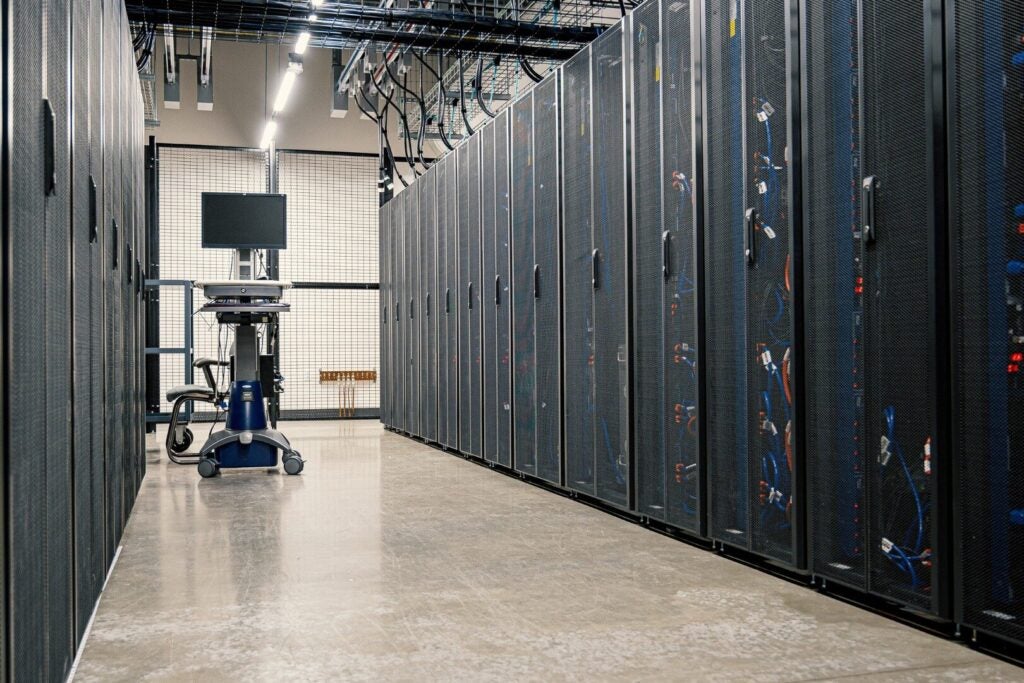
Some companies are trying to adjust their strategies. For example, Equinix, which operates two data centres in Malaysia, is actively searching for partnerships with renewable energy providers.
Cheam Tat Inn, managing director of Equinix Malaysia, said that if you are a large data centre, you should pay for a bigger share of the infrastructure or distribution network costs.
The government, on the other hand, argues that the hikes are necessary.
Malaysia’s Prime Minister Anwar Ibrahim has defended the move, pointing out that electricity tariffs will help fund important social programs and modernize the country.
Industry Warns of Investment Risk
However, some in the industry worry that the timing, communication, and structure of the rollout have been poorly handled. There’s a feeling that stakeholders were not properly consulted, and the specifics of the tiered structure and future surcharge calculations remain unclear.
The potential consequences of this situation could be substantial. A joint report released in May by Bain & Company, Google, and Temasek projected that Malaysia would see the fastest growth in data centre power demand in Southeast Asia, increasing from 7% to 21% by 2027. However, due to new tiers, the progress might stall.
The president of the Data Centre Association of Malaysia (DCAM), Mahadhir Aziz, warned that investors may start redirecting projects toward neighbors like Vietnam or Thailand. Their energy policy is more consistent and favorable at the moment.
Uncertainty surrounding the new pricing structure has been compounded by official silence. TNB has referred queries to the Energy Commission, which has yet to issue the statement.
Still, analysts argue that Malaysia retains strong fundamentals: robust infrastructure, high connectivity, and ample land.
With better energy policies, and long-term incentives for green energy, the country could still lead the regional market.
Also read: How Trading Trends Are Shaping the Future of Investments in Southeast Asia