In 2023, a viral notice by the Pasir Gudang City Council (MBPG) left residents of the city and Malaysians in general perplexed at its apparent absurdity.
The notice, dated 2 October 2023, prohibits homeowners within MBPG’s jurisdiction from parking vehicles in front of their neighbours’ homes or even their own houses!
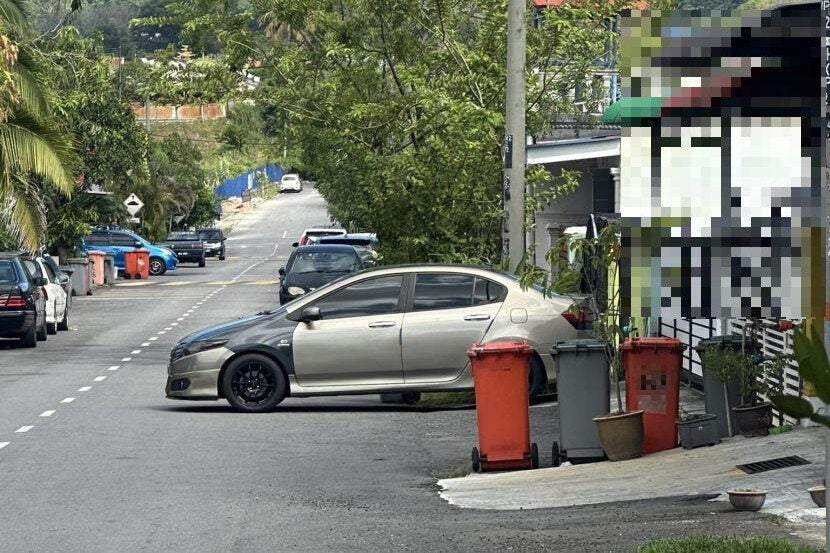
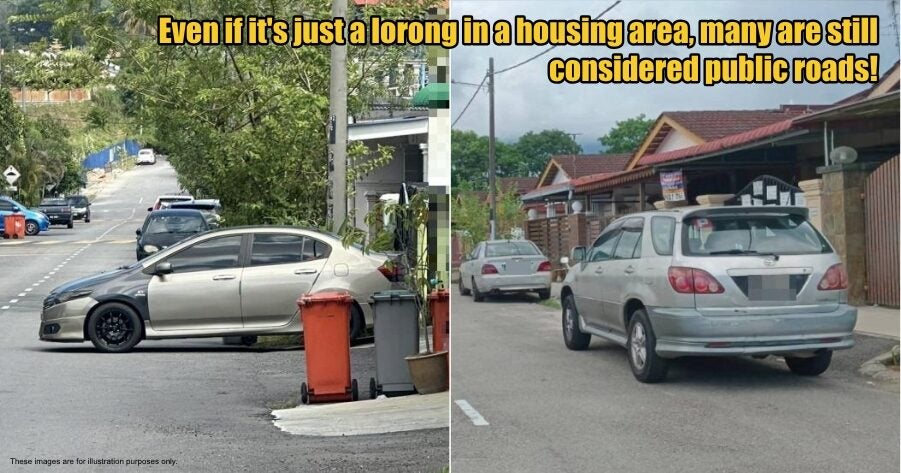
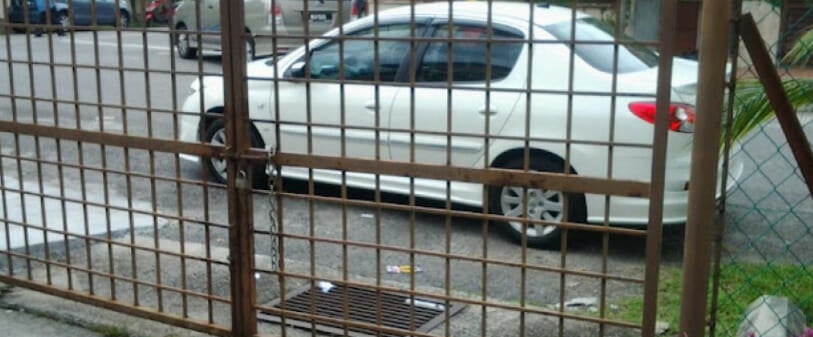
For illustration purposes
MBPG then listed down 2 laws, 1 regulation and 1 bylaw relevant to the directive, which are:
- Section 48(1) of the Land Transport Act 1987 (Act 333)
- Section 46(1)(g) of the Drainage and Buildings Act 1974 (Act 133)
- Bylaw 3(n) of the Vandalism Bylaws (Pasir Gudang Municipal Council) 2011
- Regulation 17(1) and 17(2) of the Road Traffic Regulations (Car Parks Provisions) (Pasir Gudang Municipal Council) 2001
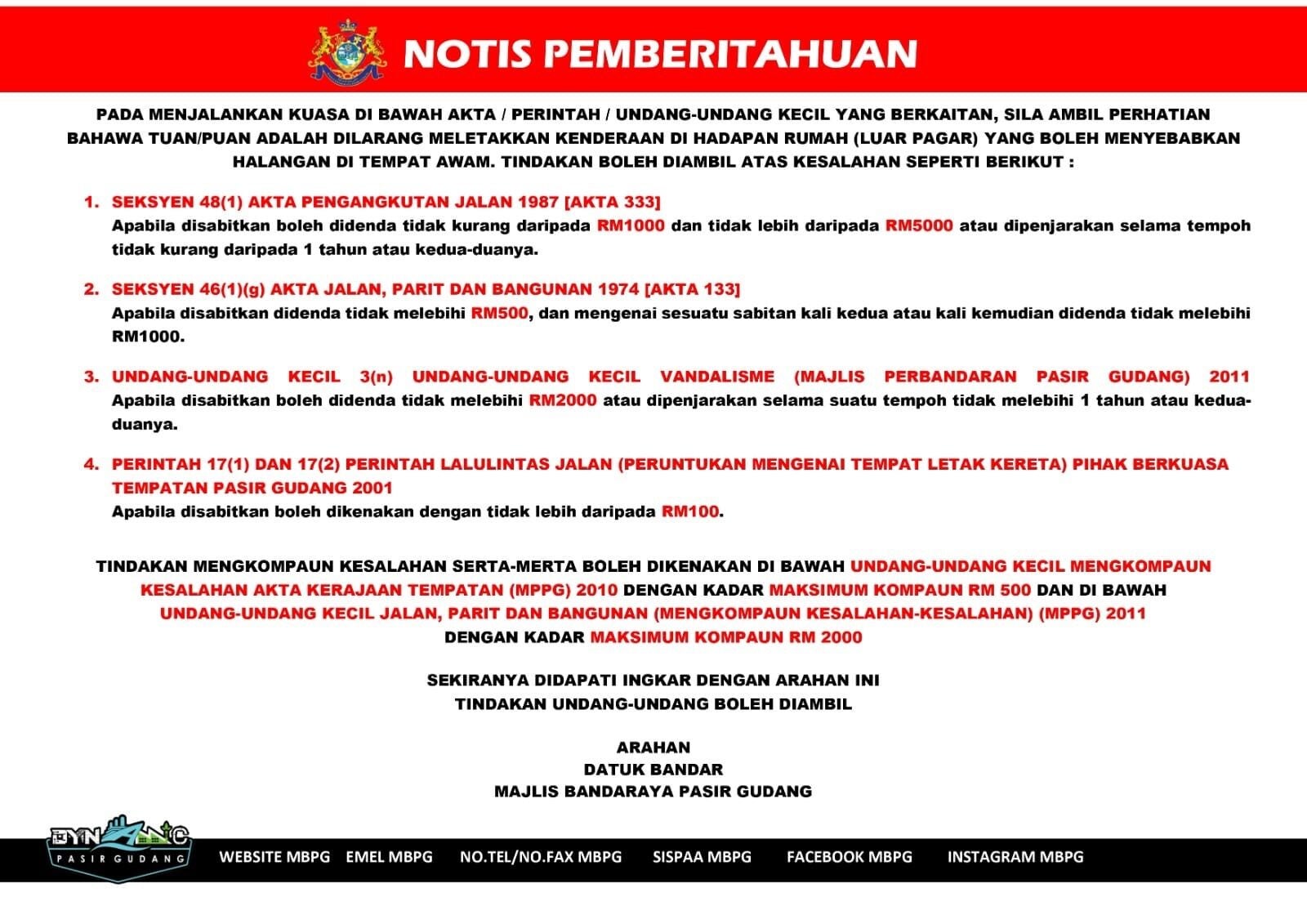
Based on the above provisions, offenders may face a fine of up to RM5,000 or 1 year in jail or both. Hence, many found the notice to be over-the-top, with some arguing that the punishment doesn’t fit the offence, which is just an everyday occurrence of parking a vehicle.
So, do you really face a lengthy jail time and up to RM5,000 fine for parking your own vehicle in front of your house? We’ve gotten in touch with a legal professional to delve into the matter in depth below.
Why parking in front of your own house can be deemed an offence
Speaking to WORLD OF BUZZ, Nik Nur Aisyah, a partner at Kuala Lumpur-based law firm ADIL Legal, said that the 4 written laws listed by MBPG don’t expressly mention parking in front of your neighbour’s or your own house.
Rather, they all pertain to how parking on the public road in front of houses would indirectly lead to an offence under all 4 written laws.
For example, Section 48(1) of the Land Transport Act 1987 below deals with obstruction by vehicles on the road:

Aisyah elaborated that the above provision prescribes parking on any road in such a position that could likely cause danger, obstruction or undue inconvenience to other road users or to traffic as an offence. Those convicted under the provision may face a fine between RM1,000 and RM5,000 or imprisonment of up to 1 year or both.
Hence, parking in front of your own or a neighbour’s house, if the road in front of it is a public road, can be deemed an offence under Section 48(1) of the Road Transport Act, if the way the vehicle is parked is likely to cause danger, obstruction or undue inconvenience to other road users.
Besides that, Section 48(2) of the same Act below also provides the appropriate authorities with the power to clamp the wheel of the vehicle or remove it to any other location, while the rest of Section 48 prescribes the procedures for clamping and removal of the vehicle.

Similarly, Section 46(1)(g) of the Drainage and Buildings Act 1974 (Act 133) below also deals with obstruction on the road:
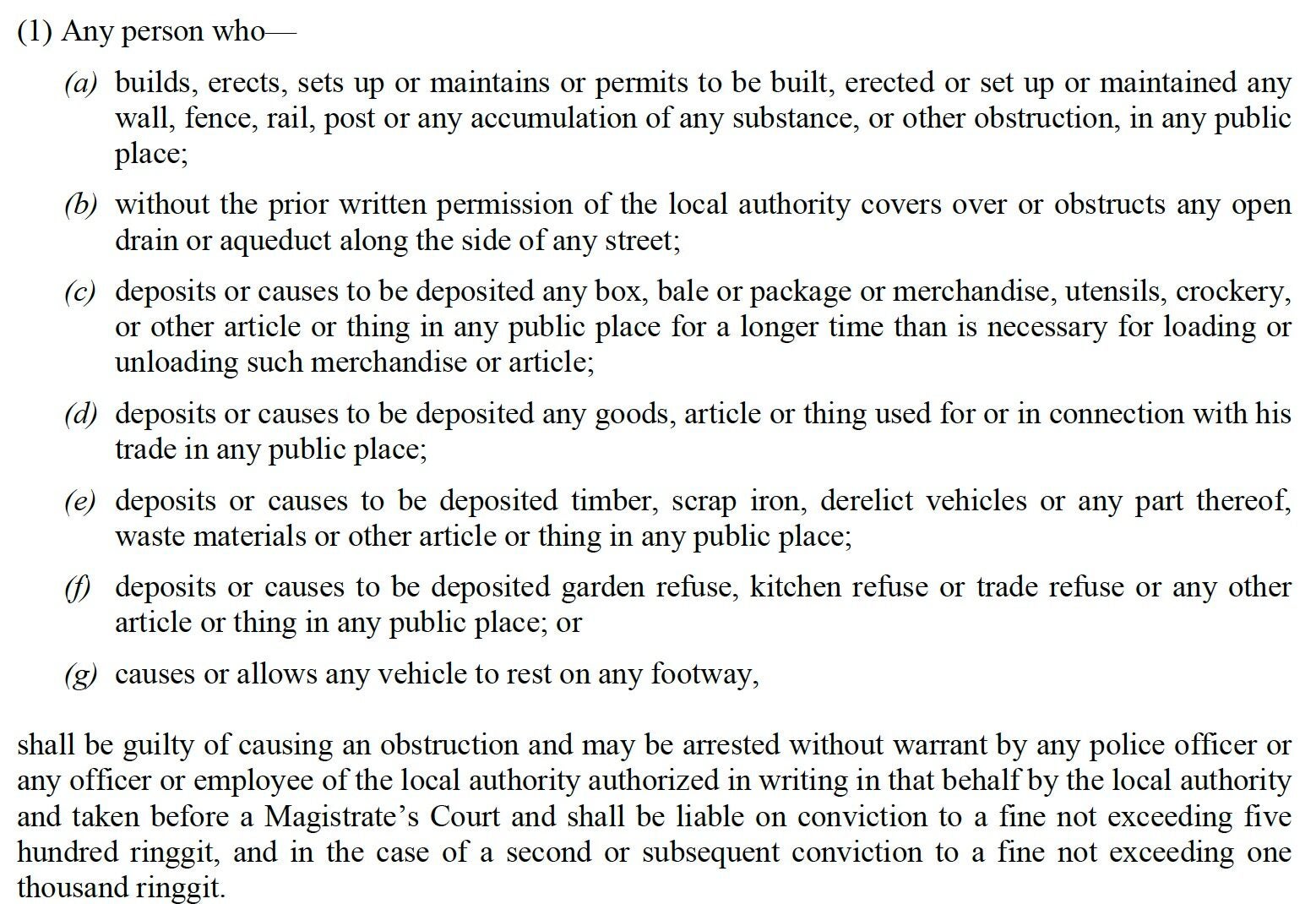
Aisyah asserted that, according to the above provision, any person who causes or allows any vehicle to rest on any footway is deemed guilty of causing an obstruction. Offenders may be arrested without a warrant by any police officer or any officer or employee of the local authority authorised in writing on behalf of the local authority and taken before a Magistrate’s Court.
Furthermore, upon conviction, offenders can be fined up to RM500, and if it’s their second or subsequent conviction, they may face a fine of up to RM1,000.
As for the bylaw and regulation mentioned, both are specific to public roads within MBPG’s jurisdiction, whereby offences under Bylaw 3(n) of the Vandalism Bylaws (Pasir Gudang Municipal Council) 2011 may make one liable to up to RM2,000 fine or up to 1 year of jail or both. Meanwhile, Regulations 17(1) and 17(2) of the Road Traffic Regulations (Car Parks Provisions) (Pasir Gudang Municipal Council) 2001 prescribe the least severe punishment upon conviction, which is a fine of up to RM100.
In addition to all the above, MBPG may also immediately impose a maximum compound of RM500 under the Local Government Act 1976 Compounding Offences Bylaws (Pasir Gudang Municipal Council) (Act 171) 2010 and a maximum of RM2,000 compound under the Street, Drainage and Building Act 1974 Compounding Offences Bylaws (Pasir Gudang Municipal Council) 2011.
Why you are unlikely to face action for parking appropriately in front of your own house
With all of the relevant written laws in mind, Aisyah said that it can be argued that parking your vehicle on the public road in front of your own house is indeed an offence if the letter of the law is to be followed. However, when viewed through the spirit of the law, Aisyah clarified that it may be argued that all the aforementioned written laws were never intended to punish homeowners for parking their own vehicles appropriately in front of their houses.
“To obey the letter of the law is to follow the literal reading of the words of the law. Meanwhile, following the spirit of the law is to follow the intention of why the law was enforced.”
“There are no black-and-white ways to determine how a law is to be enforced. On this particular matter, it is up to the authorities to decide,” Aisyah elaborated.
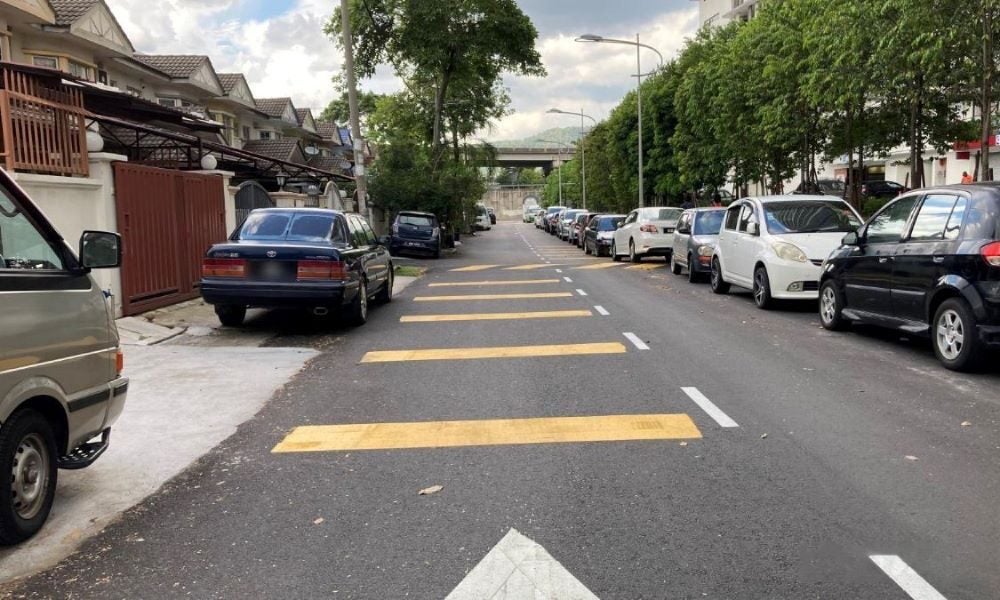
Indeed, following the issue going viral, MBPG clarified that it will only take action based on the reports and complaints it receives, including if the parked vehicles are causing obstruction or nuisance to the public.
In other words, authorities are more inclined to follow the spirit of the law rather than enforce it literally to the letter of the law.
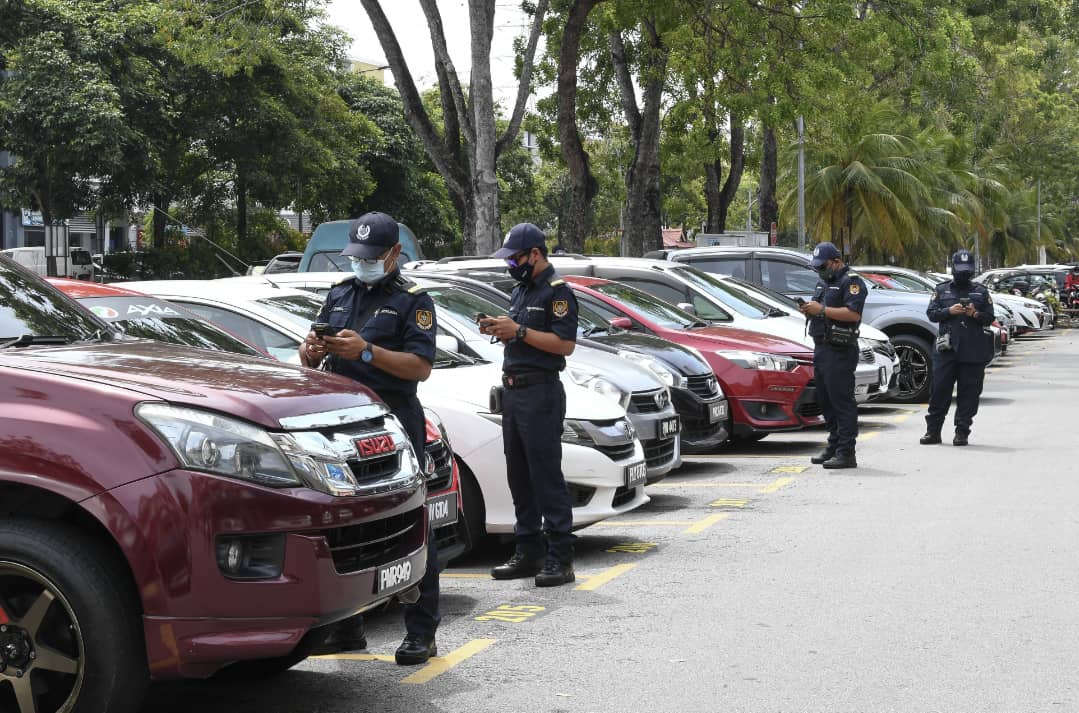
Therefore, if you’re living in an individual title property with a public road in front of your home, then it is best to park your vehicles appropriately and ensure that they don’t cause obstruction or nuisance to your neighbours or to the public.
For ease of mind, it is best to park your vehicles within the boundary of your own property or at a designated parking spot by the local authorities.
So, what do you think about this? Feel free to share your thoughts in the comment section.
Also read: M’sians Outraged as Bomba Truck Gets Stuck on Cameron Highlands Road Due to Influx of Tourists