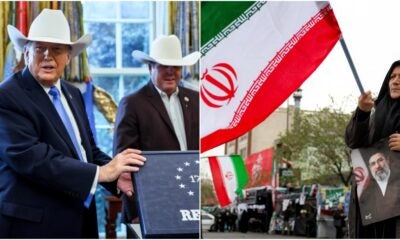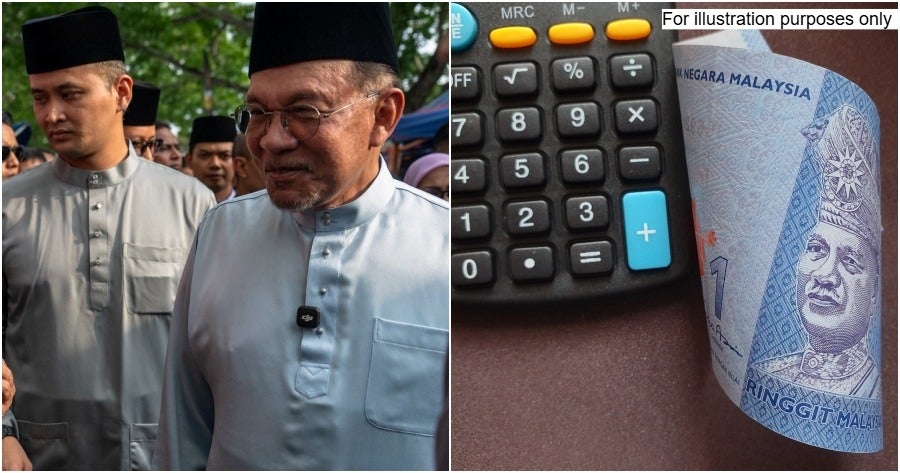
Malaysia’s Prime Minister, Anwar Ibrahim, has urged Malaysians to spend carefully and manage their finances prudently amid ongoing geopolitical tensions involving Iran, the United States, and Israel.
He warned that the prolonged conflict could have wider economic repercussions affecting many countries, including Malaysia.

Speaking at a ceremony at Masjid Mengkuang Titi in Permatang Pauh, Anwar said Malaysia currently enjoys a relatively stable economic environment. However, the government has a responsibility to remind the public that global conditions can change rapidly. According to him, complacency in times of comfort could lead to serious consequences if an economic downturn occurs.
He emphasised that global conflicts rarely affect just one nation. Instead, their impact often spreads across multiple countries, particularly through rising commodity prices and disruptions to global supply chains. In light of this, PMX urged Malaysians to be more prudent in managing their expenses and to strengthen the habit of saving for potential economic uncertainties.
“Avoid unnecessary spending.”
For illustration purposes only
With the fasting month and the upcoming festive season approaching, Anwar advised the public to avoid unnecessary or excessive spending. He noted that the government cannot accurately predict how long the current economic situation will remain stable, making financial prudence even more important for households.
“Save up, avoid unnecessary spending. Don’t spend excessively during Ramadan and Raya.”
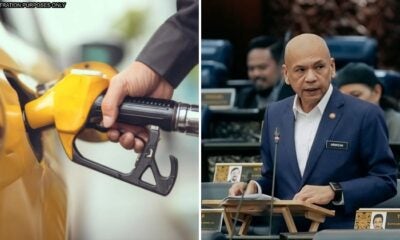
Anwar also revealed that the government is trying to maintain the subsidised price of RON95 petrol at RM1.99 per litre despite global price pressures. However, he acknowledged uncertainty over how long this price can be sustained, particularly due to disruptions around the Strait of Hormuz, a key global shipping route for oil and gas.
He explained that more than 200 large tankers transporting gas, oil, and engineering equipment have been delayed in the region. The disruptions have pushed global costs higher, affecting not only fuel but also food and fertiliser supplies from Ukraine, Russia, and parts of Europe.