Social media and digital influencers are required to declare all their income, including free goods, gifts and items received for promotion and review purposes, as stated in the Inland Revenue Board (LHDN)’s new guidelines regarding the tax treatment of income from influencers.
In their guidelines, LHDN highlighted that social media or digital influencers generate high incomes through their influence over others using their power, knowledge, position or relationship with their followers.

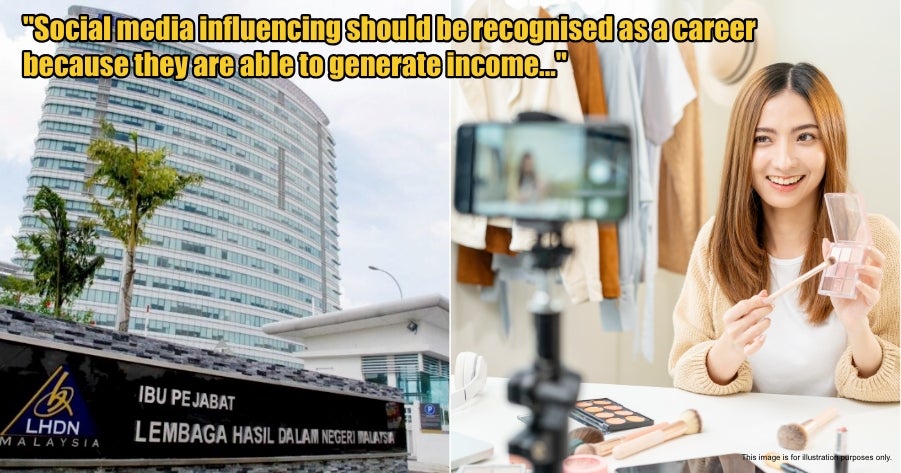
“Social media influencers should be recognised as a career because they can generate income that is received from social media platforms or from marketing activities as a result of their influence on social media,”
“The activities of an influencer include producing audio, video or written content, appearing in social media programs or events, being involved in product promotions and receiving payments, gifts or any benefits from parties due to their involvement on social media,” they shared.
Two main categories
LHDN then broke it down to two main categories, namely individual influencers and object-based influencers.
Individual influencers include politicians, artists, athletes, professionals, students or housewives, whereas object-based influencers consist of animated characters, acting characters or characters that are created and registered on social media platforms and have followers.
Income of social media influencers

This image is for illustration purposes only.
LHDN went on to explain that influencers can receive payments in various ways, such as management fees, talent fees, participation fees, consultation fees and more. They can also receive direct payments from social media platforms, payments as product ambassadors, sales of goods, sales of influencer accounts, royalties on characters and more.
“These payments can be received in the form of cash payments, goods, discount vouchers, free services, likes and gifts, or appreciation on social media that have monetary value,”
“In terms of allowable expenses, social media influencers can claim expenses allowed under Section 33 of the Income Tax Act (ACP), including internet costs, filming and editing of materials, while personal or capital expenses are not allowed,” they added.
Social media influencers must also keep records of income receipts and supporting documents for up to 7 years starting from the end of the year, relating to all income and expenses for auditing purposes by LHDN, in which the income tax return form is submitted to the LHDN Director-General.
What do you think about this? Do feel free to share your thoughts in the comment section.
Also read: China Now Requires Influencers to Have Professional Certs to Discuss Medicine, Law, Finance & More