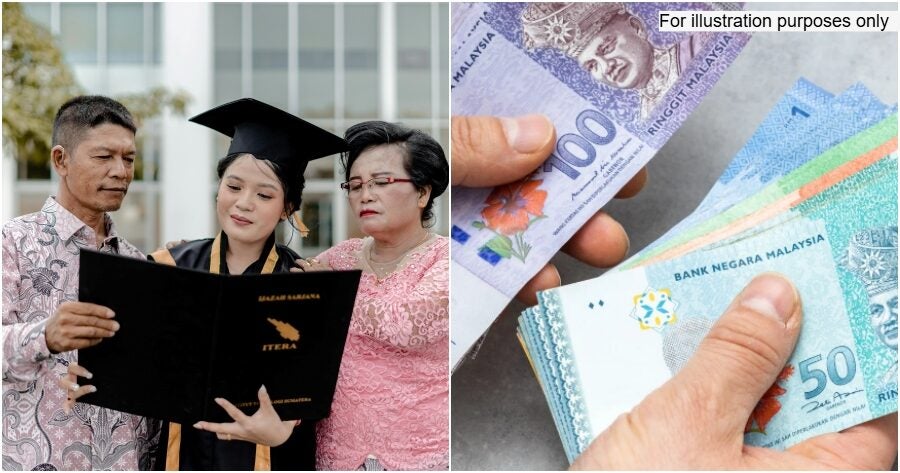
Former governor of Bank Negara Malaysia (BNM), Tan Sri Muhammad Ibrahim, said that the salary rate for Malaysians has declined threefold over the past 40 years, and added that the fresh graduates today are not earning enough.
Ibrahim said that fresh graduates’ salaries today should be closer to RM7,000 to RM8,000 when adjusted for a five per cent annual inflation rate.
“Fresh graduates today make between RM2,000 to RM3,000, a modest increase from what I made in 1984, which was RM1,300.”
“If the country’s education system and economic structure are not overhauled, the youth will likely be forced to work as low-skilled labourers.”
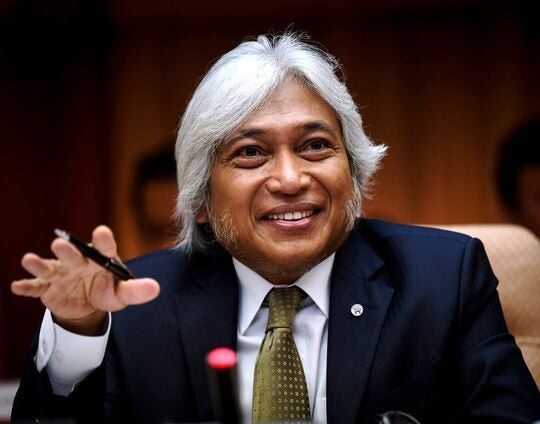
Ibrahim explained that Malaysia has been in the middle-income trap for a long time, and the issue of low wages is not an isolated matter but rather stems from various interrelated factors, such as,
- High dependence on foreign manpower
- Failure to create high-paying and quality jobs
- Flaws in the education system
According to him, most foreign workers are not skilled and inexperienced, making their costs cheaper.
“The situation in question provides direct competition to the low-income group (B40) since their salaries have not increased.”
For illustration purposes only
Ibrahim added that the education and skills training system implemented is outdated and no longer meets the needs of the 21st-century market, which affects the country’s productivity and effectiveness.
As of December 31, 2024, the country’s total workforce is 16.78 million people, with 14 per cent or 2.37 million people consisting of foreign workers.
From talent exporter to labour exporter
Ibrahim highlighted that Malaysia is also experiencing an outflow of talent, especially in the nursing field, as many nurses migrate to Singapore, the Middle East, and Australia.
“Malaysia is at risk of turning from a ‘talent exporter’ to a ‘labour exporter’ if it continues to fail to change its economic structure.”

For illustration purposes only
This is because, according to Ibrahim’s observations, many Malaysians are no longer qualified for high-position jobs abroad, but are only able to carry out menial jobs in neighbouring countries.
“I wouldn’t be surprised if the youth work as maids in neighbouring countries in the future. It’s very possible,” reported Sinar Harian.
What do you think of Ibrahim’s take on this matter?