When I was a child, whenever my parents asked me to help with household chores, I would confidently tell my mum, “In the future, I will have robots to do this for me!”
That future has not quite materialised yet, though we do have nifty gadgets like robot vacuums. Still, a humanoid robot that can help with chores and act as a personal assistant may not be too far off. Many people are already using artificial intelligence (AI) large language models such as ChatGPT, Gemini, CoPilot, and DeepSeek to assist them with various tasks.
Naturally, this also sparks concern about AI replacing certain jobs. Teachers, for instance, are facing the reality that students no longer need to depend on them for information and knowledge. Even before AI entered the scene, students could simply search the internet for answers. What AI has done is make this process easier, providing students with instant, detailed responses tailored to their specific questions.
Will AI replace teachers? If the role of a teacher were limited solely to the delivery of information, then it is true that AI could readily assume that function. However, teaching encompasses far more than the mere transfer of knowledge. At its core, the role of a teacher is to guide, mentor, and cultivate in students the skills, values, and mindset necessary to contribute meaningfully and productively to society.
It is often said that the most essential skills for the 21st century are the “four Cs”: critical thinking, creativity, collaboration, and communication. These are not skills that can be acquired through information alone; they must be actively nurtured by teachers.
Critical thinking is especially vital in the age of AI. Teachers must educate students to evaluate the information they receive rather than accept it at face value. We must also guide them in applying knowledge so that it becomes practical and meaningful. Just as importantly, we need to help students recognise the ethical implications of accessing and using certain information.
This reality was brought home to me recently when I pointed out an error in a student’s work. She immediately responded, “But ChatGPT told me it was correct!”
It was, as we often say, a teachable moment. I used the opportunity to explain the phenomenon of AI “hallucinations” and guided her toward credible sources for verification. An AI hallucination occurs when a model produces false or misleading information that appears accurate. These errors, often plausible, stem from factors like biased data or the model’s predictive nature. Moments like these highlight the importance of integrating AI into the classroom rather than banning it, because without it, such valuable learning opportunities would never arise.
In many institutions today, students are permitted to use AI for tasks. They may consult AI for initial information or ideas, but they have to conduct their own research thereafter. This approach shifts the focus from teacher-directed instruction to guided independence, allowing students to develop as self-directed learners while still receiving support and supervision from their teachers.
This is especially important because AI will remain a constant presence and an essential tool once students enter the workforce. At the same time, we must recognise that AI is not without its risks. Beyond being a valuable tool, it is also used to spread misinformation through “deepfakes” and is increasingly employed in scams. These realities make critical thinking more essential than ever.
On this occasion of World Teachers’ Day, it is important for teachers to embrace our evolving role. Change can feel daunting, and many of us have worried about students misusing AI. Yet this only underscores the need to guide students toward ethical and responsible use of AI, preparing them not just to succeed academically but also to navigate the wider world with discernment and integrity.
It is often said that teachers shape the future generation. In an age of rapid change, this responsibility has never carried greater weight.
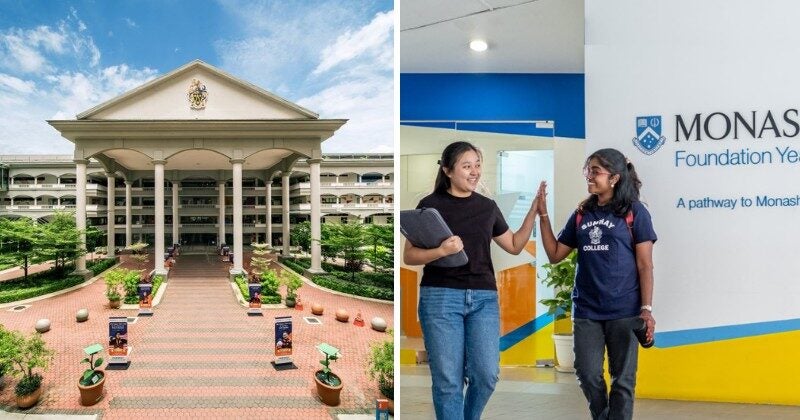
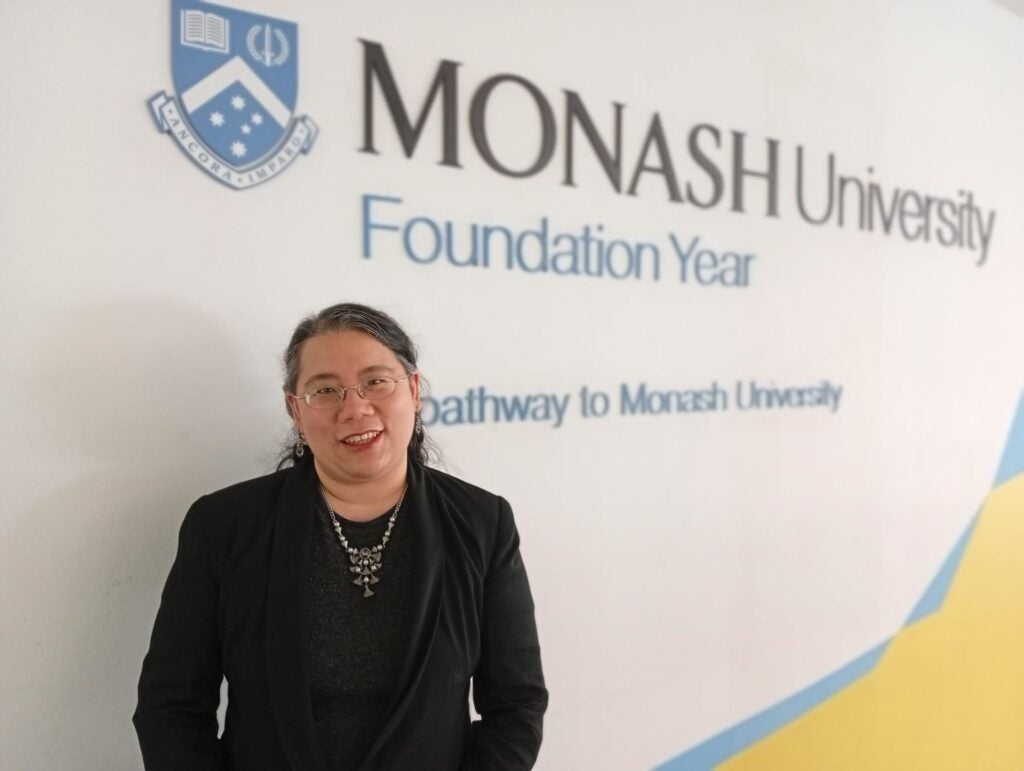
Written by: Irene Kiew, Senior Lecturer of Monash University Foundation Year (MUFY) at Sunway College
Also read: United Nations Rock the Goals in Malaysia to Mark 10 Years of SDG Action