A Malaysian woman made the difficult decision to end her relationship over a disagreement that went beyond mere etiquette and into matters of safety and responsibility.
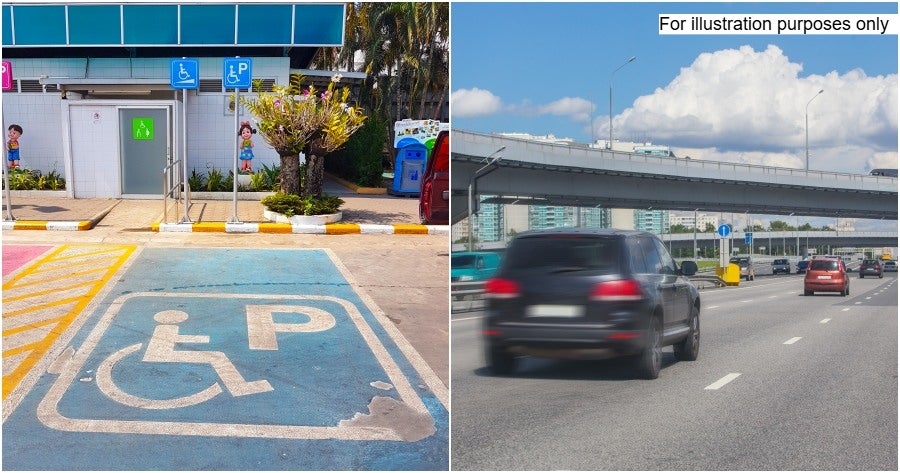
The conflict began years earlier when she and her boyfriend argued over parking in a disabled (OKU) spot. He insisted it was acceptable since others were doing it, and they ended up in a week‑long cold war before he finally promised not to park there again. While she forgave him, the incident left a lasting impression.
For illustration purposes only
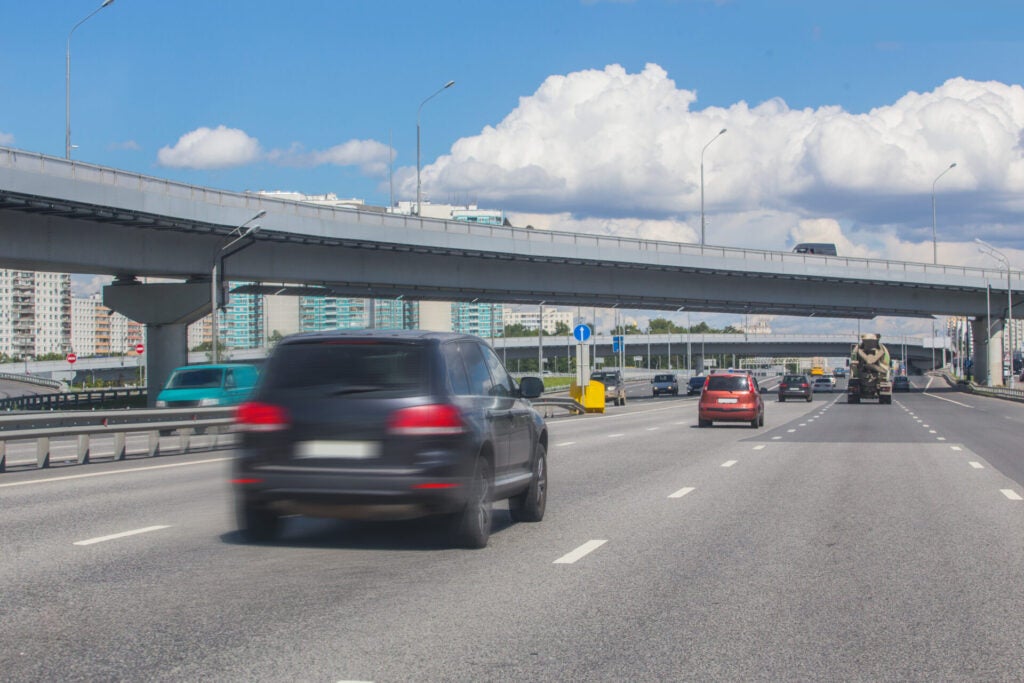
Fast forward to a recent trip from Perak back to Kuala Lumpur. With heavy traffic along the Gopeng stretch, she warned him about a section where the smart lane ended and reminded him not to use the emergency lane. Despite her repeated warnings, he continued driving through it, dismissing her concerns by saying “everyone else is doing it” and “if caught, I can just say I didn’t know it wasn’t a smart lane.”
She was alarmed. To her, it wasn’t just about traffic rules. She explained that blocking the emergency lane could delay ambulances or rescue vehicles, potentially putting lives at risk. But he refused to listen, prioritising convenience over safety.
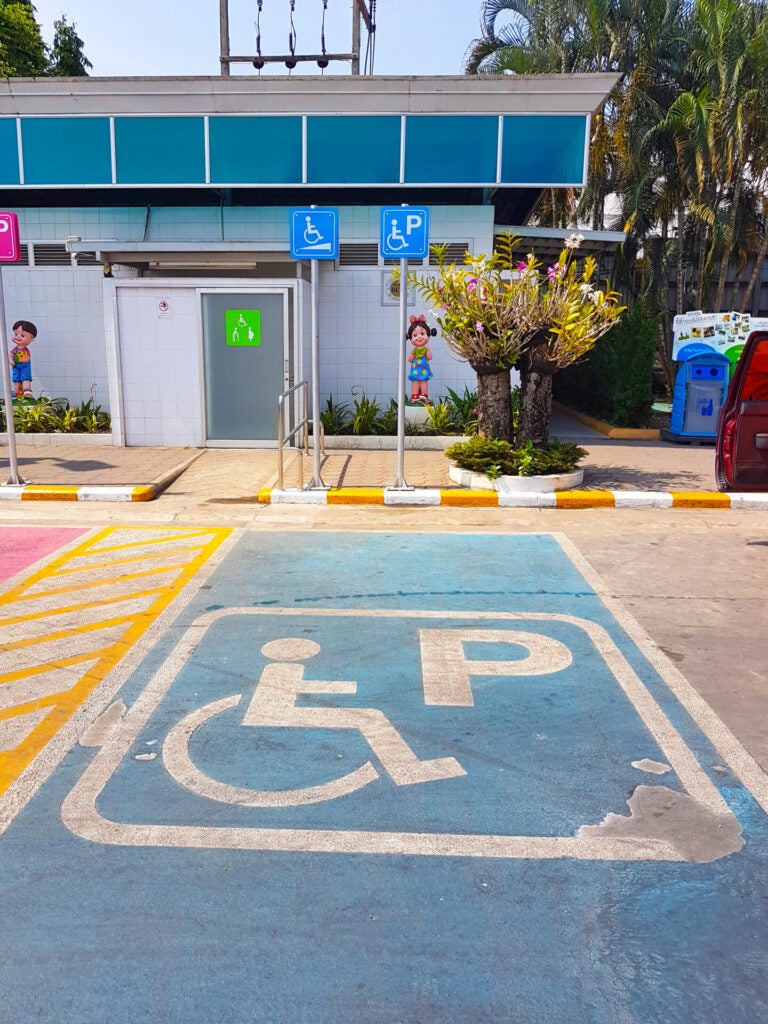
For illustration purposes only
Writing about her dilemma anonymously, she said that after returning to Kuala Lumpur, she spent the night reflecting, and realised she could not compromise on this.
“I don’t want the person I share my life with to be someone who drives in the emergency lane,” she said.
“I don’t want to risk someone’s life because of a car.”
She added that while they had many compatible qualities, their values clashed when it came to ethics and safety, a gap that, ultimately, ended the relationship. The man, however, was unhappy with her decision and told his peers that she was “making a big fuss over something minor.”
For her, this painful choice came down to principle: life is precious, and reckless driving is not something she could ever tolerate in a life partner.