In recent years, Malaysian companies have been making unusually assertive moves overseas. Whereas they once focused mainly on growth at home, they are now stepping onto the global stage to compete directly and build their presence. A standout example is Genting Malaysia. Genting drew industry and investor attention by selling in one sweep the non-gaming assets, such as hotel, golf course, spa, and performance venue of Empire Resorts, which it operates in New York State.
This sale is not merely a bid to trim debt. It is a symbolic decision showing how Malaysian companies are actively seeking new growth opportunities on the global stage. In fact, Malaysian firms have been expanding their influence in online casinos and digital entertainment as well, a trend illustrated by Alex Hoffmann’s 2025 article Malaysia’s top 10 Online Casinos.
Below, we break down the background to Genting’s divestment, its strategic meaning, and how Malaysian companies are challenging the global market step by step.
Why Did Genting Sell Its Non-Gaming Assets
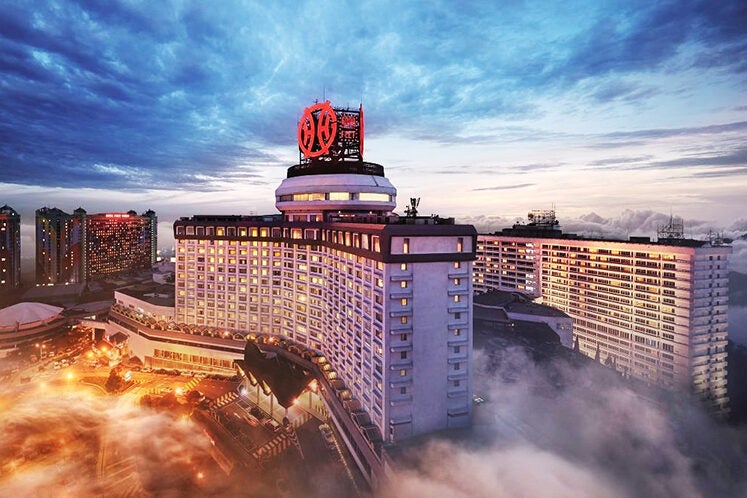
One question many people raised was why a casino group would sell facilities like hotels and spas. After all, casinos and resorts are usually run together. From Genting’s perspective, however, this was a highly strategic choice. Empire Resorts had long been burdened with heavy debt. In particular, a 300 million bond that had come due was holding the company back. Through this sale, that debt could finally be cleared.
As a result, Empire Resorts can restart with zero debt, while Genting is freed from the interest payments that had been eating into its profits every year. In the short term, it may look like a simple restructuring move, but in the long term, it strengthens financial stability and opens the door for new investments.
Seen in this light, Genting’s decision stands as a symbolic example of how Malaysian companies are no longer confined by regional boundaries and are boldly seeking future growth drivers on the global stage.
The Connection to Online Casinos
Another interesting angle to view Genting’s decision is its link to the online casino industry. Since the COVID-19 pandemic, online gaming and casino services have grown rapidly, pushing traditional offline casino operators to rethink their strategies. Malaysia is considered one of the fastest-growing countries in Asia for the online entertainment industry, supported by its strong digital infrastructure. As of January 2024, internet penetration in Malaysia had reached 97.4 percent, with 33.59 million users. This wide user base means there is plenty of potential for increased consumption of online video and gaming content.
This shift is not just about changing entertainment habits. The rapid expansion of the online environment shows that the casino industry can no longer remain limited to physical spaces but must expand into digital experiences as well. In this context, Genting’s latest move can be seen as a strategic step toward building a new business model that bridges both online and offline worlds.
The Global Push of Malaysian Corporations
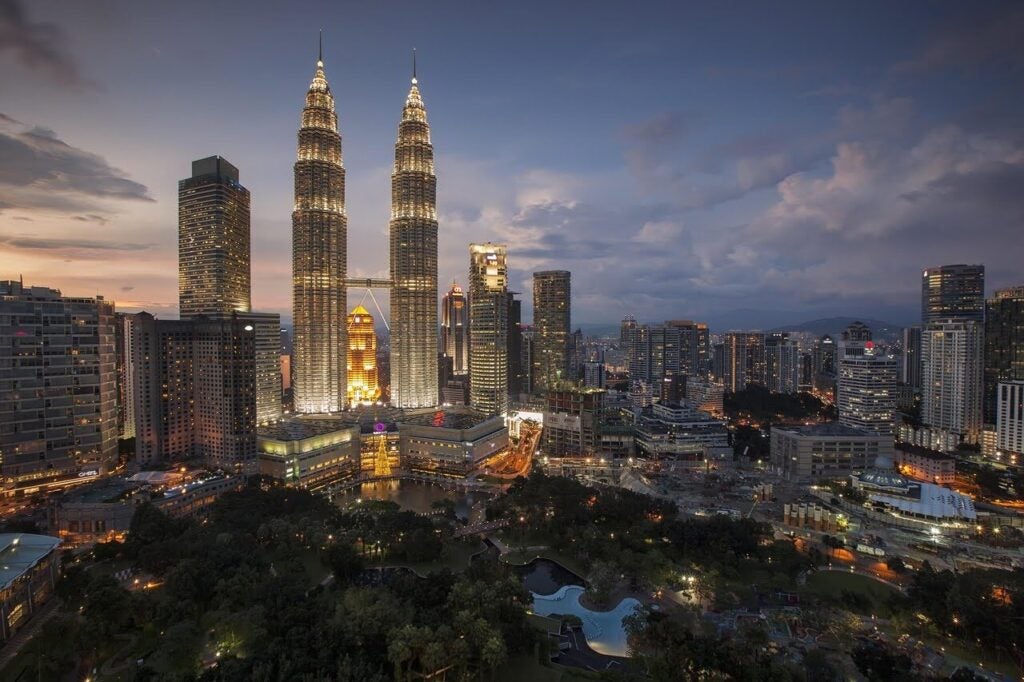
Genting’s case is a prime example of how Malaysian conglomerates are competing on the world stage. Around the same time, other major companies have also been actively expanding abroad and strengthening their presence in global markets.
AirAsia has been leveraging its strength as a low-cost carrier to quickly restore routes after the pandemic, with plans to expand further into Japan, Australia, and even Europe. Petronas, responding to rising global energy demand, has been securing large-scale projects across the Middle East and Africa, solidifying its position in the oil and gas sector. Meanwhile, Grab has grown into a super app that spans financial services, food delivery, and mobility. It continues to expand its influence beyond Southeast Asia and onto the global stage.
The overseas expansion of these companies does more than just fuel individual growth. It also boosts confidence in the Malaysian economy as a whole and strengthens the country’s brand image internationally. Success stories of Malaysian corporations in global markets provide valuable lessons for other emerging economies, while further elevating Malaysia’s presence in the international community.
An Unexpected Move with Unexpected Results
Genting has become more than just a casino and resort operator. It represents a clear example of how a Malaysian company can demonstrate crisis management and strategic adaptability on the global stage. Thanks to its strong response, a halo effect took hold, raising Genting’s international reputation while also strengthening the overall credibility and image of Malaysian corporations.
As a result, Genting’s actions showed that Malaysian companies are pursuing sustainable and strategic growth models in overseas markets, reinforcing both national competitiveness and international trust. At the same time, this case serves as a lesson for other emerging economies, highlighting the importance of strategic experimentation and gradual adaptation as essential cultural traits for securing success in the global arena.
Also read: Malaysia’s Data Centre Boom at Risk After Power Price Increase