Remember back in the day when kepoh relatives would judge you for not taking a “standard” degree? With questions like, “You’re going into TVET? Why not a degree? 🧑🎓” or “STEM? So you want to be a science teacher, is it? 🧑🔬”
Today, we’re going to put such misconceptions to rest by proving that TVET and STEM are NOT “Plan B” options.
Let’s go in-depth into why they’re a smart choice to future-proof your professional and financial prospects! 🔎
What are STEM and TVET, and what’s the difference? 🤔
For those who are unclear, here’s what STEM and TVET mean:
- Science, Technology, Engineering & Mathematics (STEM): Focuses on theory, research, and critical thinking. These are the Innovators and Designers who create new tech and complex systems.
- Technical and Vocational Education and Training (TVET): Focuses on high-level practical skills and industry training. These are the Certified Experts with hands-on skills.
How come these fields are suddenly the talk of the town? Here’s why! 👇
The Ministry of Investment, Trade and Industry (MITI) recently dropped a “high-level” game plan called NIMP 2030 (New Industrial Master Plan 2030).
Here’s how this plan is basically going to change how Malaysians make money! 🤑
NIMP 2030: We’re encouraging Malaysians to create more! 🛠️
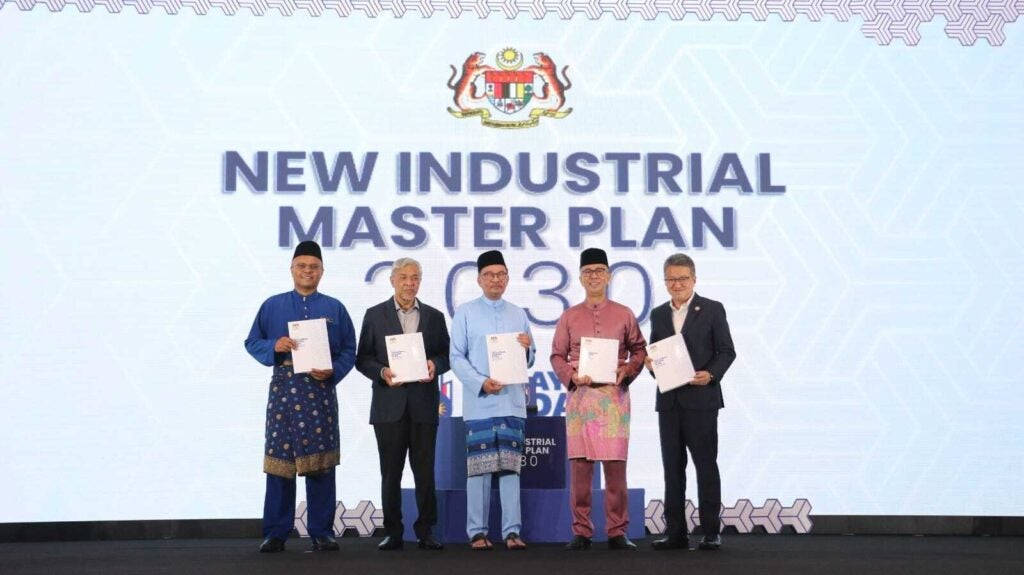
The vision of NIMP 2030 is to turn Malaysia into a tech powerhouse in Asia. Instead of only assembling components in factories, the NIMP framework encourages Malaysians to do the complicated (and expensive) stuff.
This includes work in Big Salary Industries such as:
- Chemicals & E&E: Computer chips and semiconductors (aka the stuff inside your phone).
- Aerospace: Making jet components.
- Medical Devices & Pharma: High-tech healthcare gear.
And here’s some of the stuff you get to work on as part of these industries:
- EVs (Electric Vehicles): Become an EV battery specialist or mechanic. 🚗🔋
- CCUS (Carbon Capture, Utilisation, and Storage): “Green” jobs that save the planet AND your bank account. 🍃
- Renewable Energy: Installing solar panels or managing wind farms. ☀️💨
What do these industries and roles have in common? They require skills you can only get through STEM and TVET!
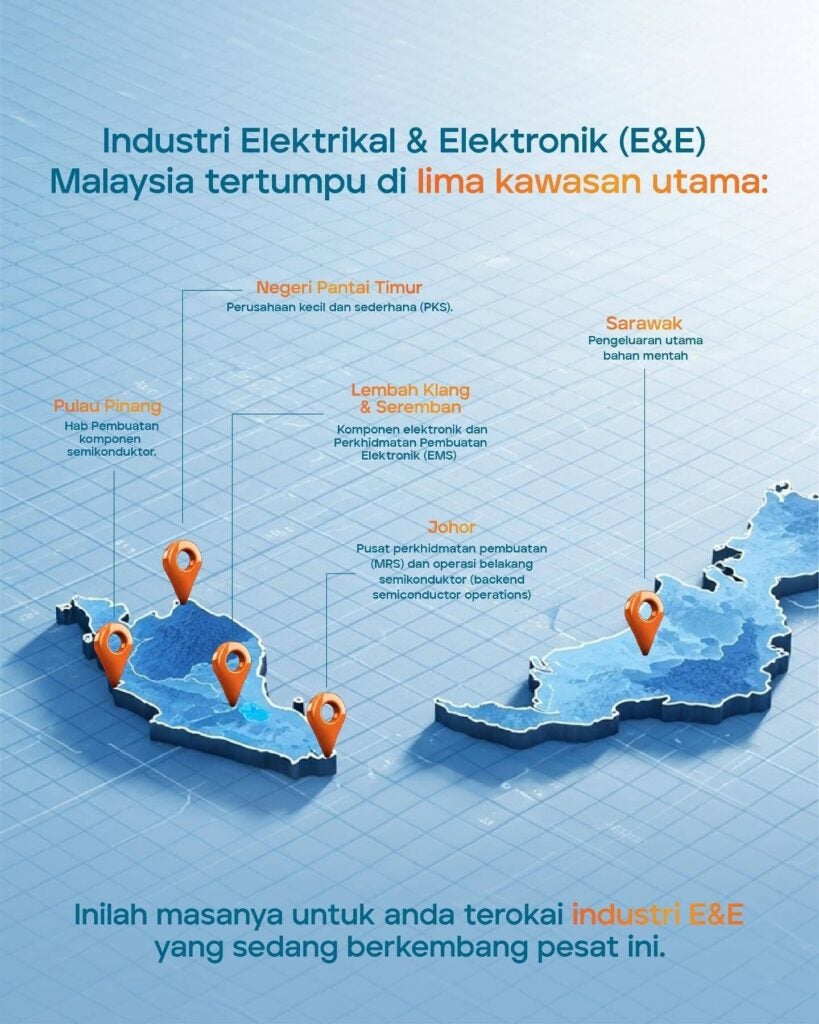
Imagine a smart factory in Penang trying to install the world’s most advanced robotic arm. Who has the qualification to work on this? These people, of course!:
- The STEM Grad: To design and programme the robot (Mechatronics Engineer).
- The TVET Grad: To install, repair, and maintain that robot (Certified Automation Technician).
Both are CRITICAL to such an ambitious project. Without the TVET technician, the STEM engineer’s project stays on paper. Without the STEM engineer, the TVET technician has nothing to build. They’re not just “support staff” — they are the HEART of this new industry!
And here’s the part you want to know the most: the pay! 💰

Before we get into the salary, here’s a real-life success story: Ahmad (not his real name) is a Mechatronics Diploma grad who started off as a technician at a semiconductor plant with a RM3,000 starting pay. After 4 years and getting some extra certifications, he’s now an Automation Supervisor earning RM5,500. He’s living the NIMP dream!
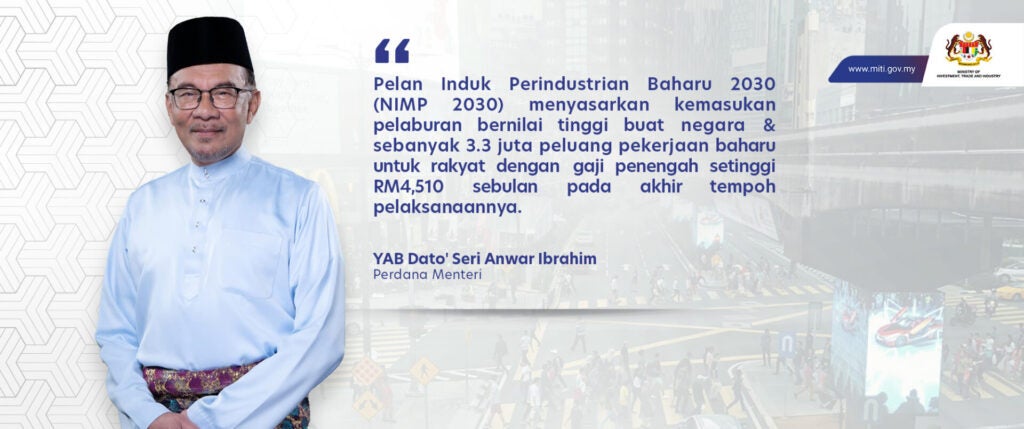
This is because MITI’s NIMP has set a target that makes TVET and STEM courses more lucrative for Malaysians. The goal is to push the median salary for Malaysia’s manufacturing sector to RM4,510 by 2030.
The reasoning behind this is that sectors like Aerospace and Medical Devices are “high-value,” so companies have to pay more because the stuff you’re making is worth a fortune.
All in all, if you want a career that is AI-proof, has global demand (best for overseas work), and pays a “kaw kaw” salary, TVET and STEM are your best bets.
Ready to level up? 🚀
Don’t miss out on this wave. Malaysia’s industrial future depends on the choices you make today. For more info about the NIMP 2030 initiative, visit this website.