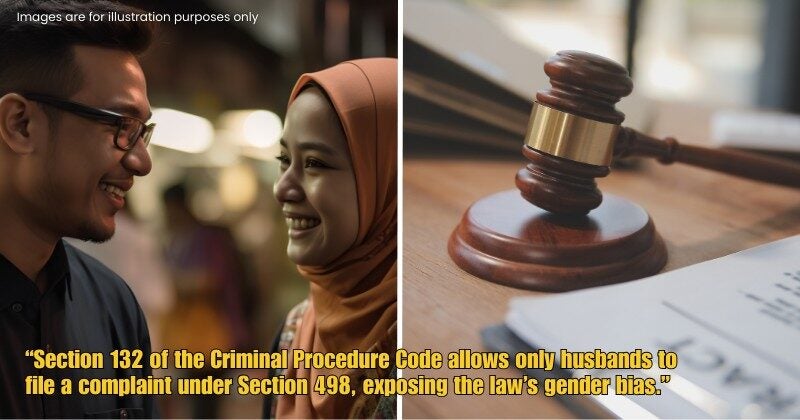
Meeting ‘the one’ from another country sounds like a dream come true, but for foreign workers in Malaysia, tying the knot with a local could turn that dream into a nightmare.
Under current rules, they could actually risk being deported even after saying ‘I do.’ Here’s what Malaysia’s Immigration Department (JIM) has laid out in its terms.

1. What goes down the moment they tie the knot?
In a 2023 statement, JIM clarified that foreigners holding a Temporary Employment Visit Pass (PLKS) are not allowed to marry locals. Doing so would automatically cancel their permit.
The PLKS is a work permit stamped in the passport that lets foreigners work legally in Malaysia, covering seven sectors and valid for one to ten years.

2. Why was this rule made in the first place?
Berita Harian had previously reported that many foreign men, especially Pakistanis, marry local women mainly to stay in Malaysia and run businesses under their wives’ names.
Kelantan Immigration once revealed 15 such applications were rejected, while other tactics included using local nominees or taking over businesses without transferring licenses.
Past reports also showed some men marrying women from Sabah to secure social visit passes, with weak enforcement by certain state religious departments making such marriages easier.
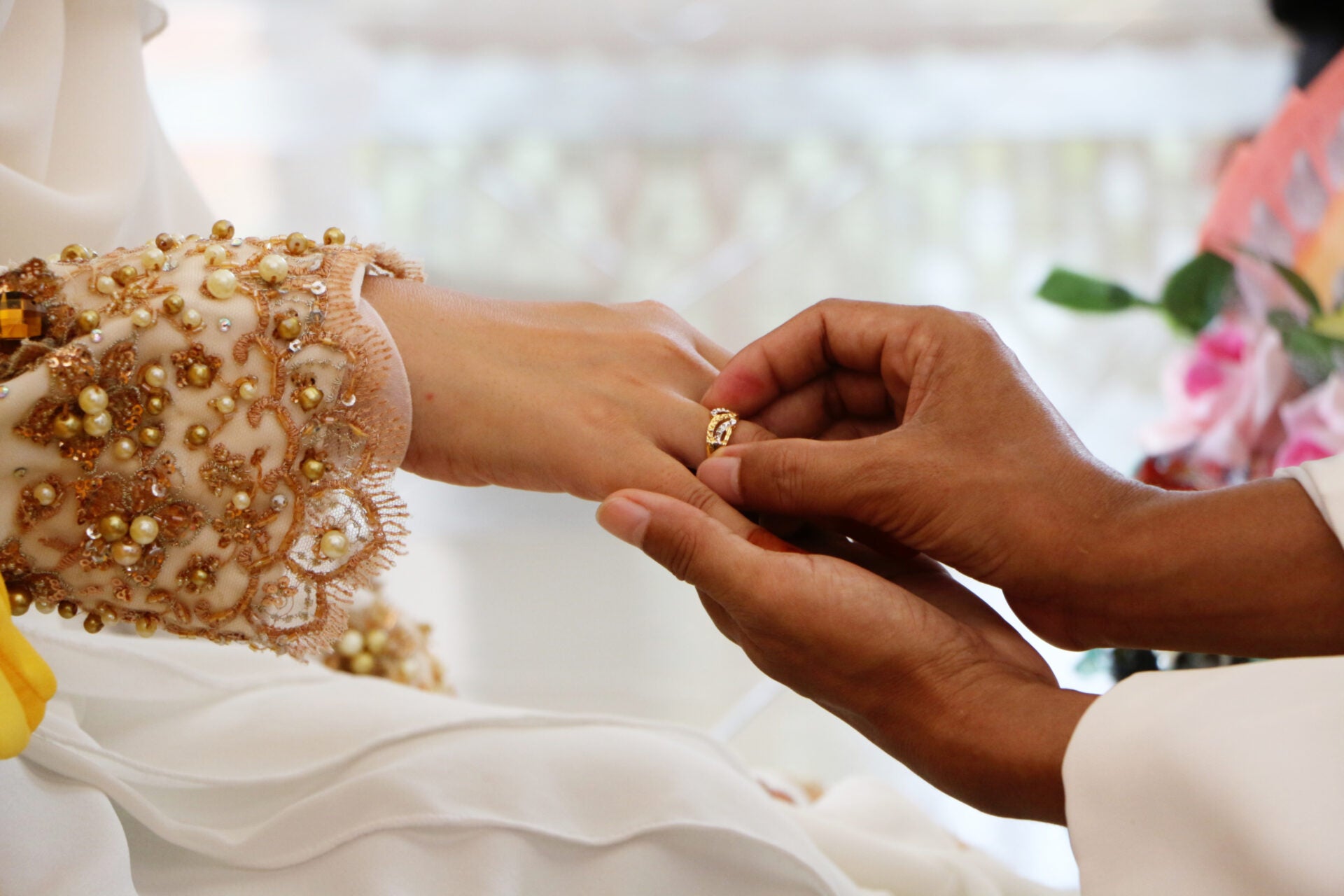
For illustration purposes only
3. The consequences of non-compliance
Under the Immigration Act 1956/63 (Act 155), PLKS holders who get married will have their work permits automatically revoked and face immediate deportation.
As for anyone caught hiding or protecting undocumented migrants (PATI), Section 55E(1) of Act 155 (Amendment 2002) makes it a serious offence, carrying penalties of up to RM10,000 in fines, five years in prison, and even six strokes of the cane.
“Immigration also has no power to annul marriages, including those between locals and PLKS holders. What we can do, however, if the Immigration Act is breached, is revoke the permit immediately and deport the foreigner back to their home country,” said Immigration Director-General Datuk Ruslin Jusoh.

For illustration purposes only
4. Who’s most at risk and what it means for them
JIM has warned locals, especially women, about the risks of marrying foreign workers holding PLKS permits, as their spouses could still be deported. As for the status of these marriages, JIM clarified that they depend on whether the couple are Muslim or non-Muslim.
For Muslims, marriages are valid if they meet Syariah requirements, but deportation complicates divorce proceedings.
For non-Muslims, the High Court can dissolve the marriage, while locals who bypass immigration rules risk legal action for harbouring illegal immigrants (PATI).

For illustration purposes only
5. What will they have to do to get married?
Foreigners holding PLKS who want to marry locals must first complete a special form, including details of their employer, to help authorities determine if the foreigner is actually eligible to marry, said Ruslin.
As for PLKS holders planning to wed another foreigner residing or working in Malaysia, they’ll need to go through their respective embassies.
“At the end of the day, foreigners are legally allowed into Malaysia only to work in designated sectors, not to get married,” he stressed.

For illustration purposes only
6. How JIM is addressing the problem
According to Ruslin, marriage matters are under the jurisdiction of state religious authorities, while immigration can only object if an application violates existing laws.
Even so, he acknowledged there have been claims of inconsistencies that let some marriages slip past strict immigration rules.
To address this, the department held engagement sessions with state religious authorities to set clear guidelines and standard procedures for marriage applications involving locals and foreigners, especially PLKS holders.
That said, it doesn’t mean foreign workers and Malaysians can’t marry each other.

Just be sure to take the necessary steps and abide by the law, and you’ll be Mr. and Mrs. in no time!
Also read: Did You Know: Seducing a Married Woman is No Longer a Crime in Malaysia Due to Gender Equality