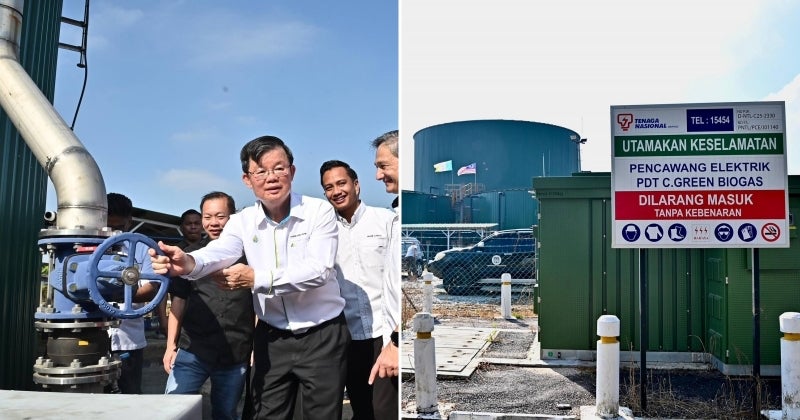
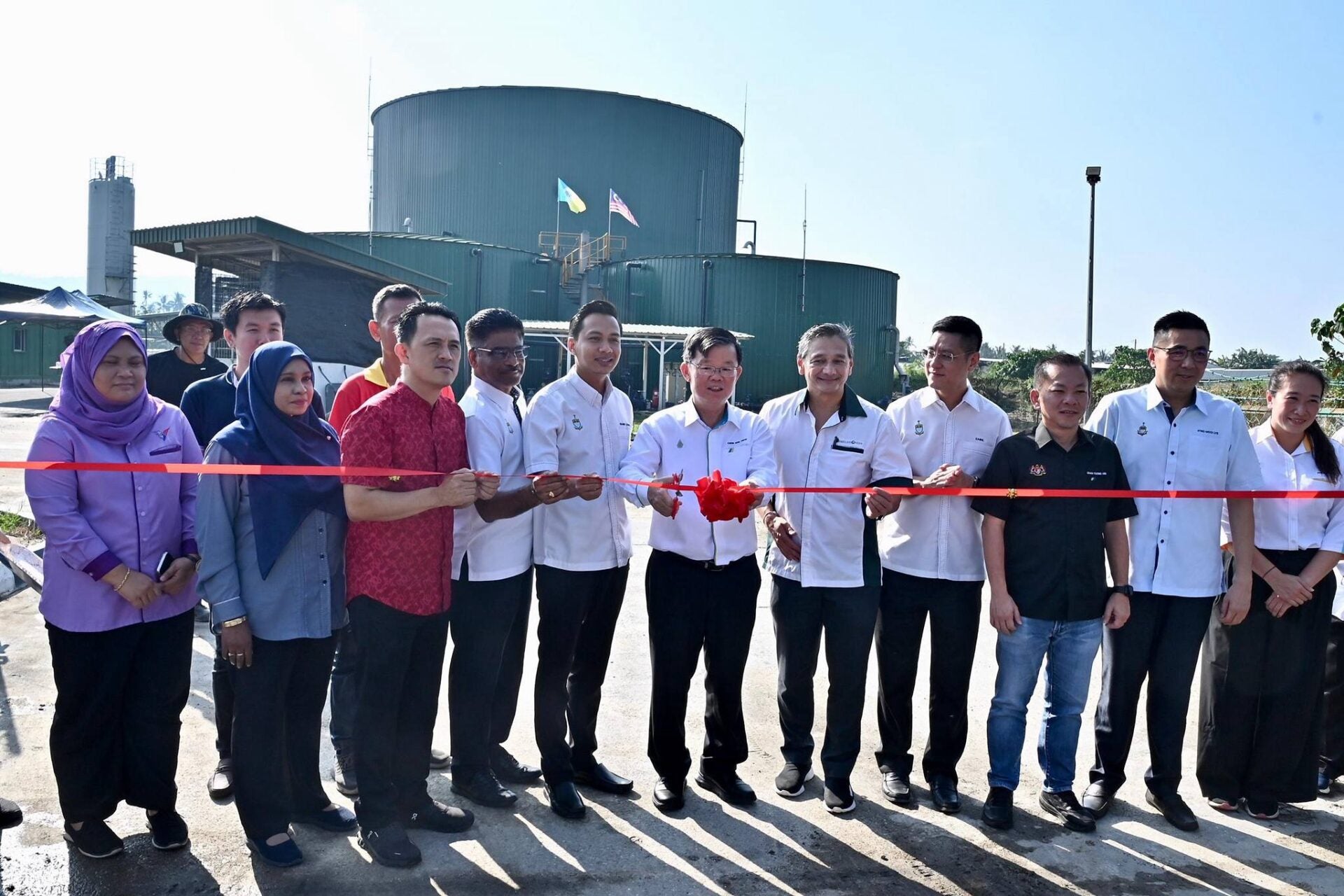
Penang Chief Minister Chow Kon Yeow recently officiated the launch of a centralised biogas facility in Kampung Valdor, South Seberang Perai District, which essentially turns a long-standing environmental issue relating to pig farming into a source of renewable energy for Malaysia.
By converting pig waste into energy, the facility is capable of generating up to 1.2 megawatts at full design capacity, the majority of which is supplied to the national grid.
A structural solution to a decades-old challenge
Taking to his official Facebook page, Chow stated that the centralised biogas facility is not merely the introduction of a treatment plant, but a structural solution to a decades-old environmental challenge.
He asserted:
“For the first time, we are closing the loop by turning waste into renewable energy while protecting our rivers.
“Pig farming activities will continue in Penang as long as they fully comply with environmental laws.”
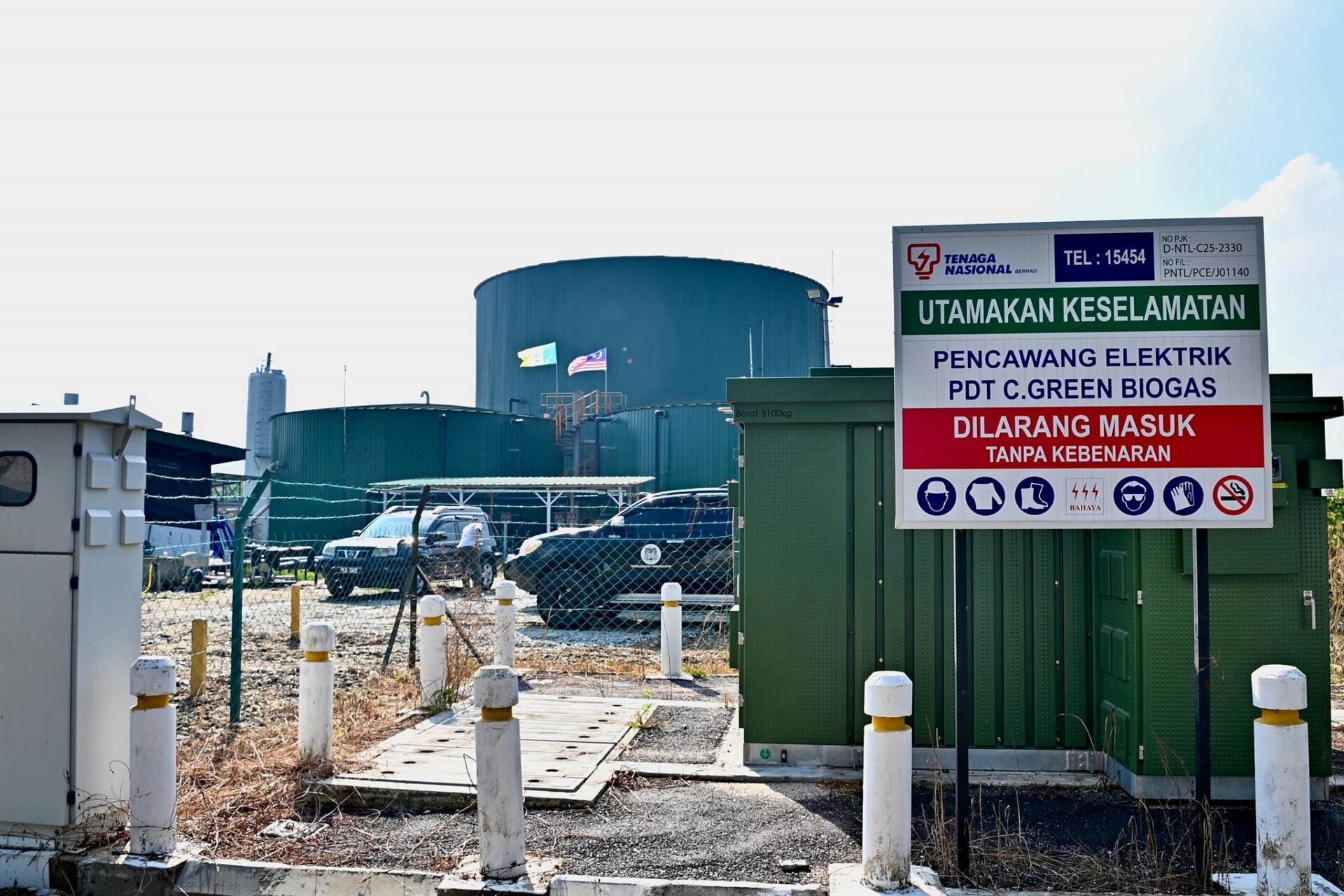
Buletin Mutiara, the state government’s official online site, quoted the Chief Minister as saying that poor waste management in the past had led to broader social sensitivities. However, he stressed that at its core, this is a land-use and environmental issue which has nothing to do with race or religion.
Chow added that the facility would help address problems such as river pollution, odour, and fly infestations by ensuring waste is properly channelled and treated. This RM25.9 million project was fully financed by the private sector.
Furthermore, a similar facility will be developed at Kampung Selamat in the North Seberang Perai District.
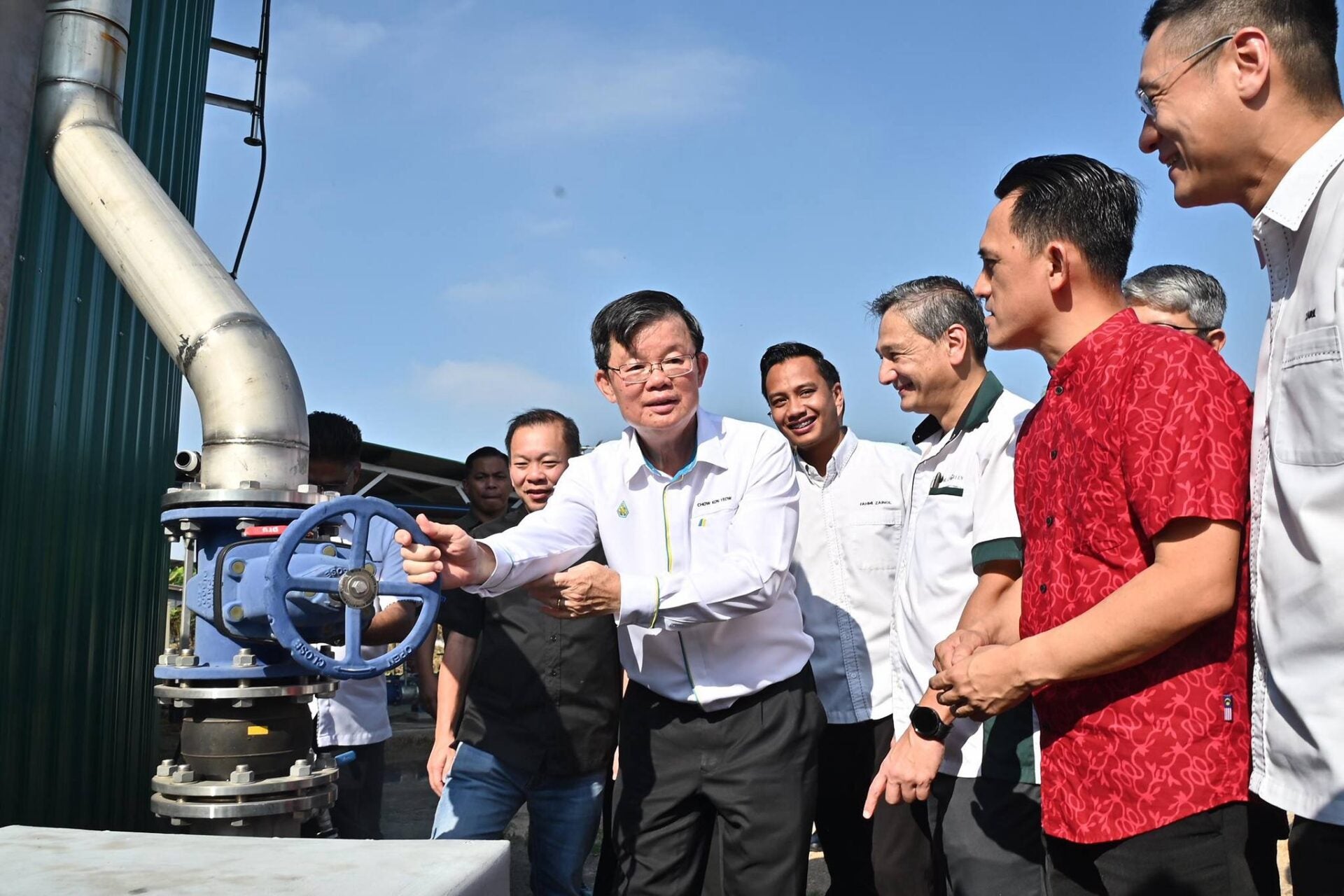
Chow kon yeow (left)
Processing 120 metric tonnes of waste daily
Meanwhile, BERNAMA quoted the Chief Minister as saying that the Kampung Valdor facility has been operational since 2024, following an Environmental Impact Assessment (EIA).
He revealed that approximately 120 metric tonnes of waste are processed daily at the facility. During intermittent operations last year, it generated up to 0.6 megawatts of energy.
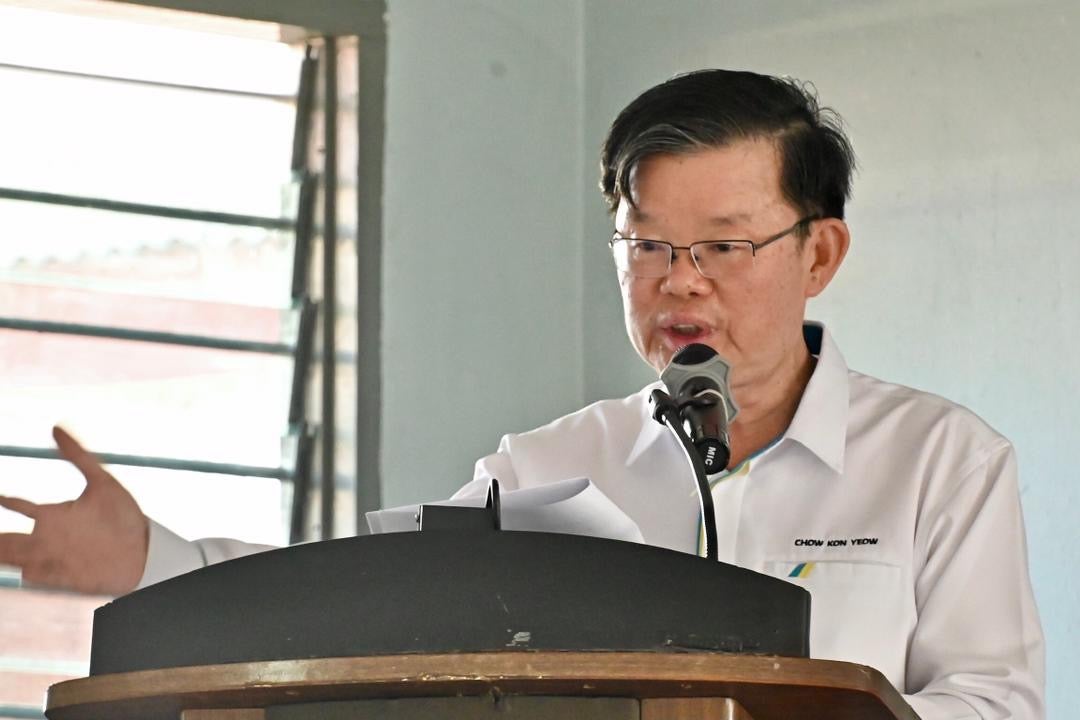
“At full design capacity, it is capable of generating up to 1.2 megawatts, with 1 megawatt supplied to the national grid.
“It is also designed to process up to 226,000 metric tonnes of livestock waste annually and produce about 10.5 gigawatt-hours of renewable energy,” Chow stated.
The facility currently serves 20 farms with around 30,000 pigs and can be expanded in the next phase to handle waste from up to 90,000 pigs.
“To date, Penang has 113 pig farms with approximately 89,857 pigs, with South Seberang Perai alone accounting for 44 farms and about 42,277 pigs,” the Chief Minister added.
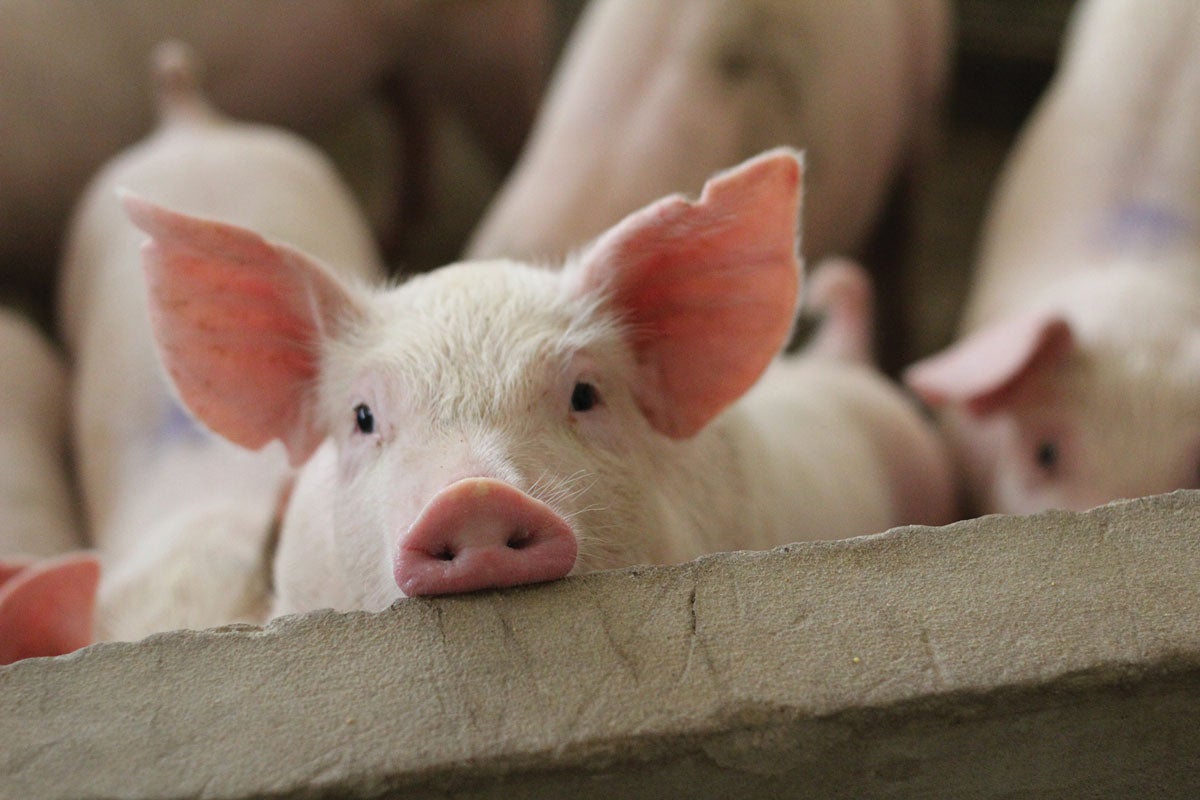
For illustration purposes
So, what do you guys think of the project? Share your thoughts with us in the comments.