Machines, Robots & AI: FOZ One Explores the Future of Manufacturing
Ever wondered how the things we use every day are actually made? Behind many of the products in our homes are manufacturing processes that have become more advanced over the years.
And with AI, robotics, and automation becoming a bigger part of the industry, manufacturers are finding new ways to make their processes smarter and more efficient.
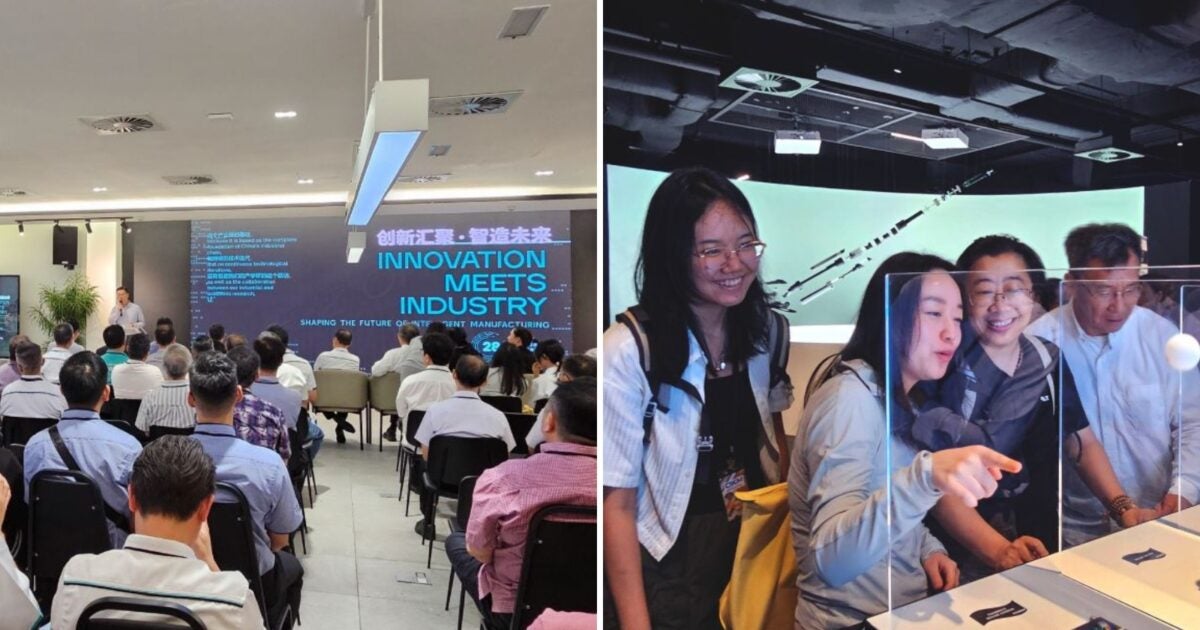
In line with this, FOZ One recently organised an “Innovation Meets Industry” dialogue to exchange ideas and explore new possibilities in manufacturing!
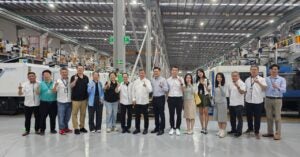
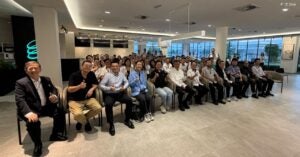
From left: FOZ One Executive Chairman Datuk Lee Fook Yuen & Professor ZeXiang Li (7th and 8th from left, respectively)
So, what went down during the dialogue, and what does this mean for FOZ One moving forward? Let’s take a look!
1. Getting industry experts together
There’s a lot more to manufacturing than just operating machines and putting products together. With technologies like artificial intelligence (AI), robotics, and automation advancing, manufacturers have more opportunities to run their operations smarter. These were some of the topics explored at FOZ One’s recent dialogue, which brought together robotics experts, academics, and industry representatives.
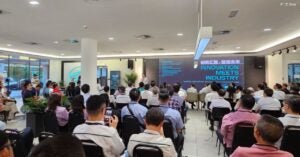
Among the attendees were Professor Zexiang Li, Co-Founder of DJI and Googol Tech, Founder of XbotPark, and a tenured professor at the Hong Kong University of Science and Technology (HKUST), as well as members of QKM’s senior leadership team and representatives from several local universities, industry associations, and the automation sector, including:
- Multimedia University (MMU): Professor Ir. Ts. Dr. Jerry Ng Poh Kiat
- Universiti Teknologi Malaysia (UTM): Ts. Dr. Mohd Najeb Bin Jamaludin from the Department of Control and Mechatronics Engineering
- University of Southampton Malaysia: Ir. Dr. Ahmad Syahrin Idris, Assistant Professor and E&E Engineering Lecturer
- Southern University College: Mr. Chan Bun Sheng, Dean of the Faculty of Engineering and Information Technology
- Industry representatives: FMM Branch Chairman Mr. Saw Seong Ho, MPMA Johor Branch Chairman Mr. Mike Tan, JBCCI President Dato’ Jeffrey and Dr. Yeong Che Fai, Director of DF Automation & Robotics
With experts from various backgrounds coming together, the dialogue provided a space to share knowledge, discuss developments in robotics, and explore how these technologies could shape the next phase of manufacturing.
2. What industry leaders shared about the future of manufacturing
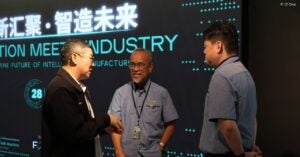
From left : Professor Ir. Ts. Dr. Jerry Ng Poh Kiat from Multimedia University (MMU), Dr Hishamuddin Bin Jamaluddin (Southern University College),Mr. Chan Bun Sheng, Dean of the Faculty of Engineering and Information Technology(Southern University College)
Beyond discussing the possibilities of smarter manufacturing, the dialogue also touched on how innovation, AI, and robotics can shape the industry’s future. Here are five key takeaways from the sharing:
- Turning innovation into business opportunities
Professor Zexiang Li shared how innovative ideas can grow into successful businesses, highlighting the importance of practical education, hands-on learning, and support from the industry. Using companies like DJI and Googol Tech as examples, he spoke about encouraging creativity, developing problem-solving skills, and giving students opportunities to turn their ideas into real businesses.
- Understanding the bigger picture of manufacturing
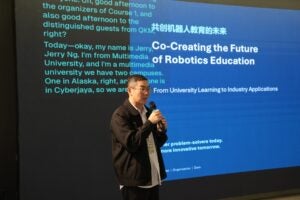
Professor Ir. Ts. Dr. Jerry Ng Poh Kiat from Multimedia University (MMU) shared a broader perspective on how the manufacturing industry is changing and what this means for Malaysia’s future. His presentation highlighted four key developments shaping the industry:
- Technological acceleration: AI, robotics, automation and digitalisation are changing how manufacturers operate and creating new opportunities for innovation.
- Industrial transformation: The shift towards smart factories, connected production systems and new business models is changing traditional manufacturing processes.
- Global competition: As the industry evolves, manufacturers must focus on productivity, resilience and innovation to remain competitive.
- Growing demand for talent: The industry needs engineers who can integrate different technologies and apply their knowledge to solve real-world problems.
He also emphasised the importance of robotics education in bridging technology, industry, and people.
- Meeting real industry needs through AI, Robotics and Innovation
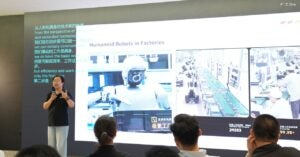
Meanwhile, Dr. Jinbo Shi, Co-Founder and Chairman of QKM Technology, shared how AI, robotics, and automation are changing the way factories operate. These technologies can help manufacturers improve productivity, product quality, and efficiency, especially when they’re used to solve actual challenges on the factory floor. She also highlighted the opportunities for Malaysia to further develop its smart manufacturing capabilities by making better use of these technologies.
- Developing future-ready talent
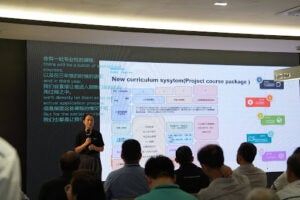
Wang Hong, CHO of QKM Technology, also touched on something just as important: preparing the next generation for the changing manufacturing industry. This includes giving university students and young engineers more opportunities to gain practical experience through industry projects, hands-on training, and exposure to real manufacturing environments.
- Strengthening industry–education collaboration
Closer connections between universities and manufacturers can help bridge the gap between classroom learning and real-world industry needs. Through practical training and industry projects, students can gain a better understanding of the skills and knowledge required in modern factories.
- Opportunities for Malaysia’s industrial growth
Overall, the sharing offered insights into how Malaysia can strengthen its smart manufacturing capabilities, encourage technology entrepreneurship, and develop a skilled workforce to support the industry’s future growth.
3. More machines doesn’t mean fewer people
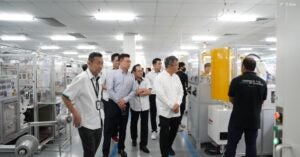
Now, whenever automation and robotics come into the picture, some people might wonder: does this mean fewer people will be needed in the process? Not necessarily, which is an important part of FOZ One’s approach to this transformation.
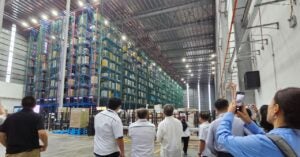
While technology can take over certain repetitive processes and make operations more efficient, people are still essential to operating, managing, and working alongside these systems. The Group wants to help its existing employees pick up the skills and knowledge needed to adapt as manufacturing processes change.
This also ties in with QKM’s sharing on the importance of developing future-ready talent. Closer connections between universities and the manufacturing industry can give students more hands-on experience and help them build the technical skills that modern factories need.
Ultimately, it’s not just about having more advanced machines, but also making sure people have the skills to work with them.
A bigger picture for FOZ One
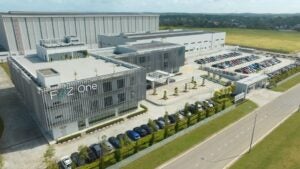
For FOZ One, being recognised as a forward-looking manufacturer that embraces new technologies could eventually help build consumer confidence in other ventures too. As the industry continues to evolve, bringing together technology, practical experience and talent development will be key to unlocking new possibilities for Malaysia’s manufacturing sector.
And as FOZ One continues exploring ways to advance its manufacturing capabilities, it’ll be interesting to see how the Group puts these ideas into practice.
To learn more about the Group and what it does, visit FOZ One’s website.